Opinion: Ease of Living—India’s next development indicator
Development should not only be measured by highways, hospitals and digital platforms, but also by how effortlessly people access them


By Dr Sonal Mobar Roy
How do you picture a developed nation? And I am not talking about AI-generated pictures here. In reality, how does one understand development as a lived experience? For generations, the answer was visible in concrete and steel: in roads that connected villages and tandas, schools that opened their doors to all, hospitals that extended healthcare beyond 9-5, homes that replaced temporary shelters, and electricity that illuminated places once left in darkness. Development was measured by what could be built, counted, and mapped.
Also Read
India has travelled a remarkable distance on this journey. Public investments in infrastructure, digital public systems, financial inclusion, housing, drinking water, and social protection have transformed the development discourse and expanded opportunities for millions of people. These achievements deserve recognition, for they have laid the foundations of a more connected and inclusive society.
Yet every phase of development eventually changes the questions we ask. Once a road reaches a village, what possibilities travel along it? Once a tap connection reaches a household, does water flow when it is needed and is it drinkable? Once a citizen has access to a public service, how easy is it to actually use? These questions are gradually finding expression in an idea that is assuming increasing importance in public policy: Ease of Living.
Unlike traditional indicators, Ease of Living invites us to shift our attention from what governments create to how citizens experience what has been created. It asks us to look beyond infrastructure and towards everyday life; beyond access and towards experience. Perhaps the next frontier of development is not simply building more. It is making what already exists work more effortlessly for the people it is meant to serve.
From Access to Experience
Development has changed the nature of everyday problems. A generation ago, the challenge was the absence of services. Today, it is increasingly the complexity of navigating them. As public services, digital platforms, and citizen-facing institutions continue to expand, a new opportunity is emerging to make them increasingly seamless, intuitive, and citizen-friendly.
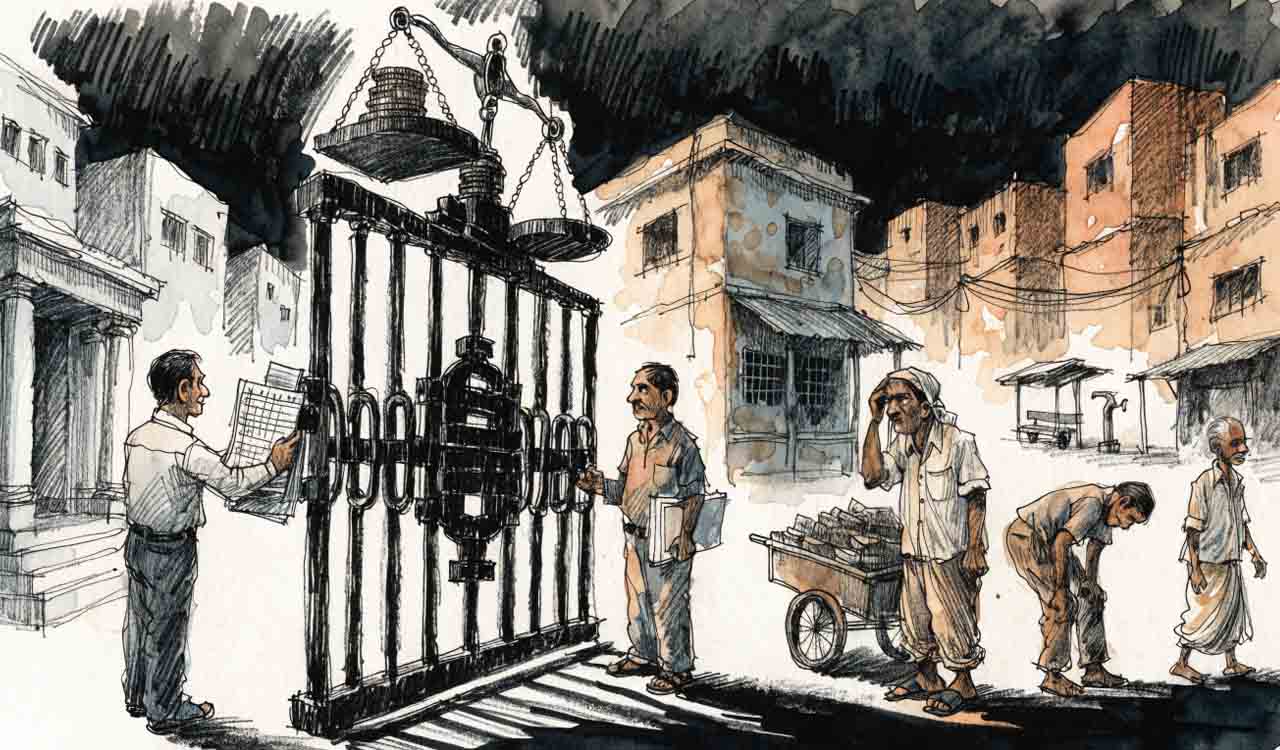
Yet the effort required to move between them—understanding procedures, completing forms, tracking applications, coordinating documents, remembering passwords, or simply knowing where to go next—has quietly become part of everyday life. Development has expanded access; it must now simplify experience.
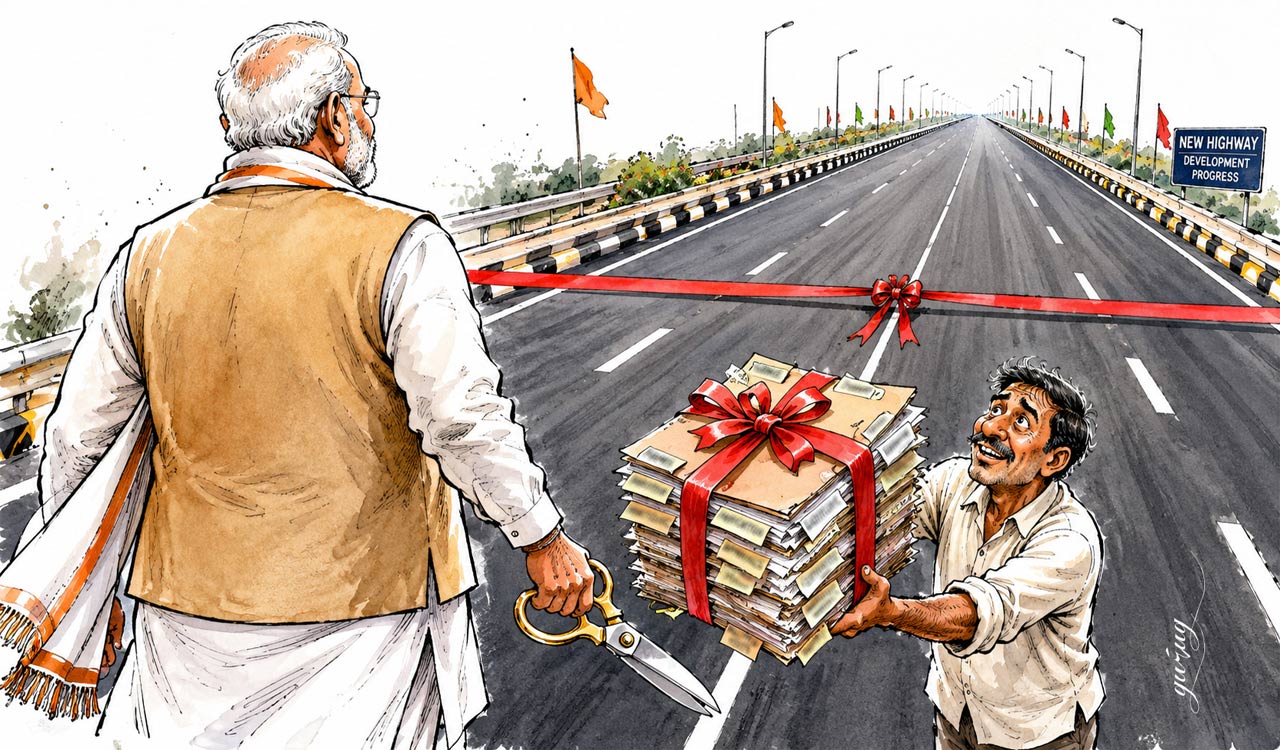
We celebrate the bridges we build and the roads we inaugurate. Perhaps, one day, we should also celebrate the queue that disappeared and the hour a citizen got back
This is where Ease of Living acquires deeper meaning. It is not merely about convenience. Nor is it about making life effortless. It is about reducing the unnecessary effort that citizens expend in accessing opportunities that already exist.
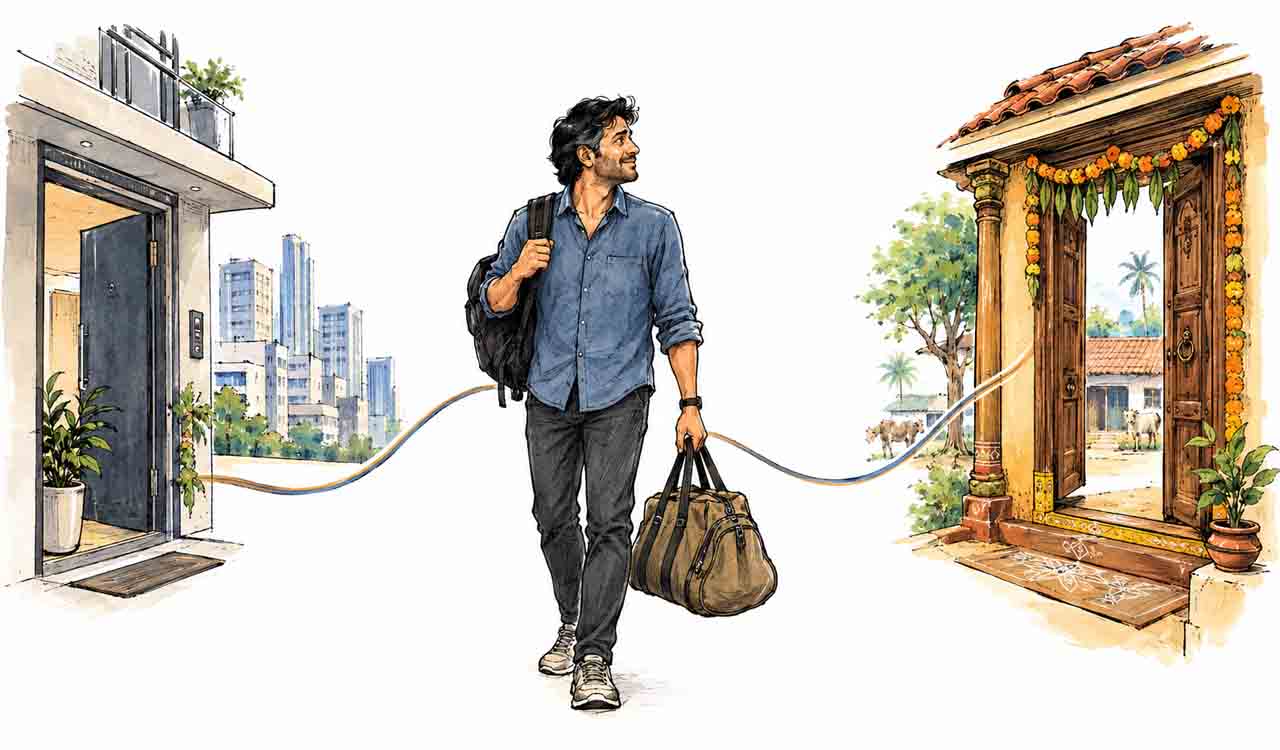
Consider an elderly pensioner who no longer needs repeated visits to an office because services are predictable. Think of a young entrepreneur who can establish a business without navigating layers of avoidable paperwork. Imagine a farmer who accesses market information, insurance, and government services without spending an entire day travelling between institutions. These are not isolated improvements. Together, they redefine what development feels like.
Perhaps the next frontier of development is reducing the mental effort required to live an ordinary life. Public systems should not only become easier to use; they should become easier to understand. Every unnecessary form eliminated, every repeated journey avoided, and every hour returned to a citizen represents a quiet but meaningful gain in development.
We often measure progress by what governments add, such as roads, schools, hospitals, digital platforms, and public services. Citizens, however, experience progress through what governments can subtract: waiting, uncertainty, paperwork, unnecessary travel, and confusion and nervousness. Sometimes, the most meaningful public policy is the one that quietly removes burdens people had begun to accept as inevitable.
Measuring What Matters
As India moves towards the vision of Viksit Bharat 2047, the conversation on development is naturally evolving. Economic growth, infrastructure, innovation, and technology will remain central to this journey. Equally important, however, is ensuring that these achievements translate into a better experience of everyday life.
This calls for a subtle shift in how we think about progress. Alongside measuring assets created and services delivered, there is value in asking different questions. How much time does a citizen spend accessing a public service? How predictable are essential services? How easily can people navigate institutions? How much unnecessary effort has development removed from their daily lives?
These may appear to be ordinary questions, yet they often determine whether development is merely visible or genuinely lived.
Ease of Living, therefore, is not another programme or slogan. It is a philosophy of governance—one that reminds us that the purpose of public policy is not only to create opportunities, but also to make those opportunities easier to access, understand, and trust. In many ways, the next chapter of India’s development story may be written not through grand announcements, but through quieter improvements that make everyday life simpler for millions.
Perhaps the greatest achievement of a developed society is that its institutions become increasingly invisible—not because they are absent, but because they work so seamlessly that citizens no longer have to think about them. When systems function well, people spend less time navigating them and more time pursuing education, earning livelihoods, caring for their families, building enterprises, and contributing to society.
We often celebrate the bridges we build and the roads we inaugurate. Perhaps, one day, we should also celebrate the queue that disappeared, the form that became simpler, the traffic U-turn that was no longer necessary, and the hour that a citizen got back.
For a sociologist, that may be the quietest triumph of development: when institutions cease to occupy people’s lives and begin to quietly enable them. Because the true measure of development is not only what a nation builds, but what it gently frees its citizens from having to overcome.
(The author works with the National Institute of Rural Development and Panchayati Raj, Hyderabad. Views are personal)

Related News