Opinion: Health and environmental costs of food production
By David R Boyd Industrially produced food appears to be cheap but is actually very expensive. Recent estimates of the hidden costs of today’s food systems range from US$12 trillion to US$20 trillion annually. These mind-boggling figures include food’s devastating environmental and human rights impacts and poor health caused by unhealthy diets.To put these costs […]


By David R Boyd
Industrially produced food appears to be cheap but is actually very expensive. Recent estimates of the hidden costs of today’s food systems range from US$12 trillion to US$20 trillion annually. These mind-boggling figures include food’s devastating environmental and human rights impacts and poor health caused by unhealthy diets.
To put these costs in perspective, they are roughly double the total economic value of the global food system.
Feeding eight billion people healthy, sustainable food by 2030 is a monumental challenge. Yet transforming food systems that inflict tens of trillions of dollars in health and environmental damages is essential for realising human rights.
Industrial food production is a major driver of the planetary environmental emergency. Food systems are responsible for 21 to 37 per cent of global greenhouse gas emissions, 70 per cent of water use and 80 per cent of the pollution causing eutrophication and marine dead zones.
Agriculture and aquaculture are major threats for 85 per cent of the species identified as threatened with extinction. Deforestation — mainly expanding agricultural land to produce beef, soy and palm oil — is responsible for 30 per cent of the infectious diseases that spillover into humans from wildlife and livestock, raising the risk of pandemics.
Environmental problems are exacerbated by food loss and waste, as an estimated 30 per cent of all food produced is never eaten.
Skyrocketing impacts
Driven by increasing wealth, population growth and the rising dominance of input-intensive industrial agriculture, the negative environmental impacts of food systems are skyrocketing. Since 1960, synthetic fertilizer use jumped more than 800 per cent. Meat production leapt more than 500 per cent. Unhealthy diets are estimated to be the world’s most significant risk factor for disease, contributing to more than 10 million premature deaths annually.
Enough food is produced annually to provide adequate nutrition for everyone, but a large portion is fed to livestock, wasted or used to manufacture non-food products such as biofuels.
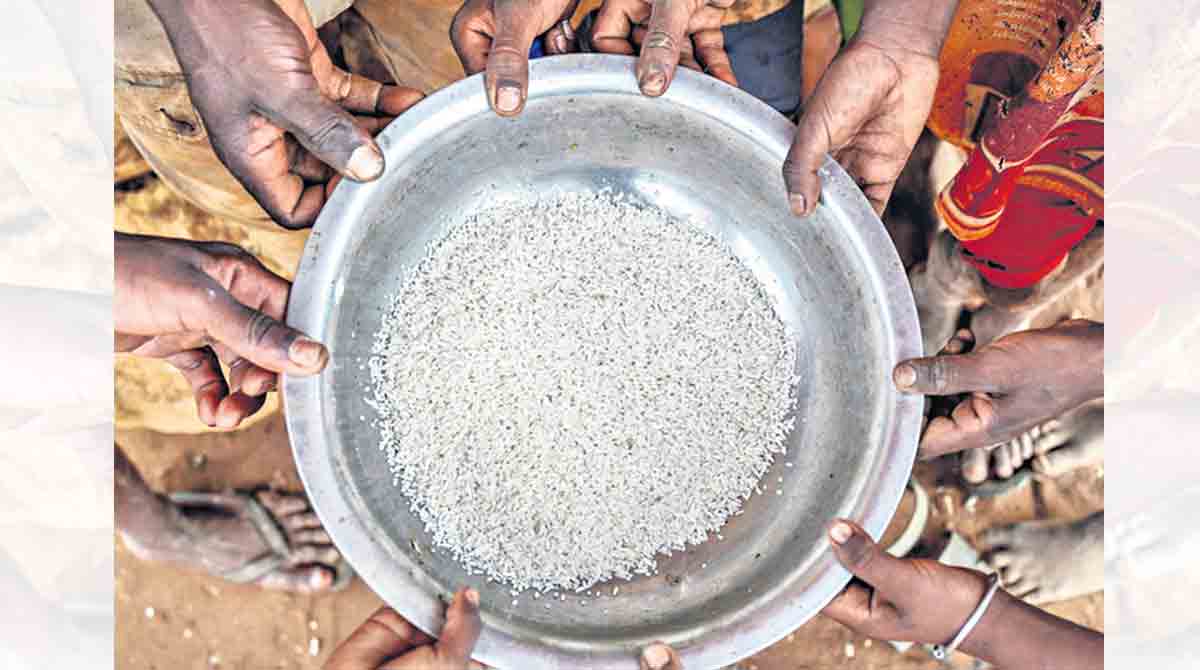
Two billion people lack adequate access to safe, nutritious and sufficient food, including 700 to 800 million suffering from daily hunger.
Paradoxically, more than two billion people are overweight or obese.
Diets in high and middle-income countries include excessive animal protein and a growing share of ultra-processed, nutrient-poor foods. Unhealthy diets contribute to obesity, diabetes and a smorgasbord of non-communicable diseases.
The environmental impacts and unhealthy diets associated with industrial food systems interfere with the enjoyment of a wide range of human rights, including the rights to life, health, water, food, a healthy environment, development, an adequate standard of living, cultural rights, the rights of the child and Indigenous rights.
Rights and Obligations
To prevent negative impacts on human rights and the environment, governments should apply a rights-based approach to all food-related laws, regulations, policies and actions. A rights-based approach should focus on the right to food and the right to a healthy environment.
This approach would clarify the obligations of governments and the responsibilities of businesses; catalyse ambitious actions; prioritise progress for the poorest, most vulnerable and marginalised communities; and include people in designing and implementing solutions.
The UN Food and Agriculture Organization looks at the right to food as a human right and a legal obligation.
Not all food systems contribute equally to environmental degradation and human rights violations. There is a vast diversity of production practices and an even wider range of diets. The use of water, pesticides, synthetic fertilizers, antibiotics and other inputs, as well as associated levels of pollution and environmental damage, varies extensively by type of food and production method. Meat and dairy generally use the most land and have the largest environmental impacts per calorie produced.
Agroecology — a holistic approach to food systems that integrates ecological principles with social equity — offers more healthy and sustainable practices.
Experts have called for transformative changes to food systems to achieve just, healthy and sustainable outcomes. The International Assessment of Agricultural Knowledge, Science and Technology for Development stated that “the way the world grows its food will have to change radically to better serve the poor and hungry if the world is to cope with a growing population and climate change while avoiding social breakdown and environmental collapse.”
Not an option
The good news is that there are proven solutions available to reduce greenhouse gas emissions, enhance carbon sinks, reduce air and water pollution, alleviate water scarcity, decrease the use of pesticides, fertilizers and antibiotics, restore soil health, safeguard biological diversity and decrease the risks of zoonotic diseases. Many solutions offer multiple benefits — for example, reducing pesticide use is good for soil, biodiversity and human health.
While the foregoing changes are necessary, they are not sufficient. Fulfilling the rights to food and a healthy environment also requires reducing inequalities, promoting healthy and sustainable diets, cutting food loss and waste, and transforming governance to be more participatory, preventive and precautionary.
Economic reforms are also imperative. Over US$600 billion in food-related subsidies that undermine sustainability should be re-purposed to support smallholders (farms less than two hectares), agroecology and innovation, implement sustainable production practices, end over-fishing and restore damaged ecosystems.
Prioritising the rights to food and a healthy environment offers a clear path towards just and sustainable food systems. It is not an option for governments; it is an obligation.

Now you can get handpicked stories from Telangana Today on Telegram everyday. Click the link to subscribe.
Click to follow Telangana Today Facebook page and Twitter .

Related News
-

Opinion: Stateless of the Earth—migration, humanity and the crisis of our conscience
-
Supreme Court slams Ghaziabad private hospitals for denying treatment to 4-year-old rape victim
-
Nagercoil custodial death: Three prison staff arrested, family protests demanding second autopsy
-
Andhra Pradesh constitutes SIT to probe alleged custodial death of 25-year-old Vijayawada man