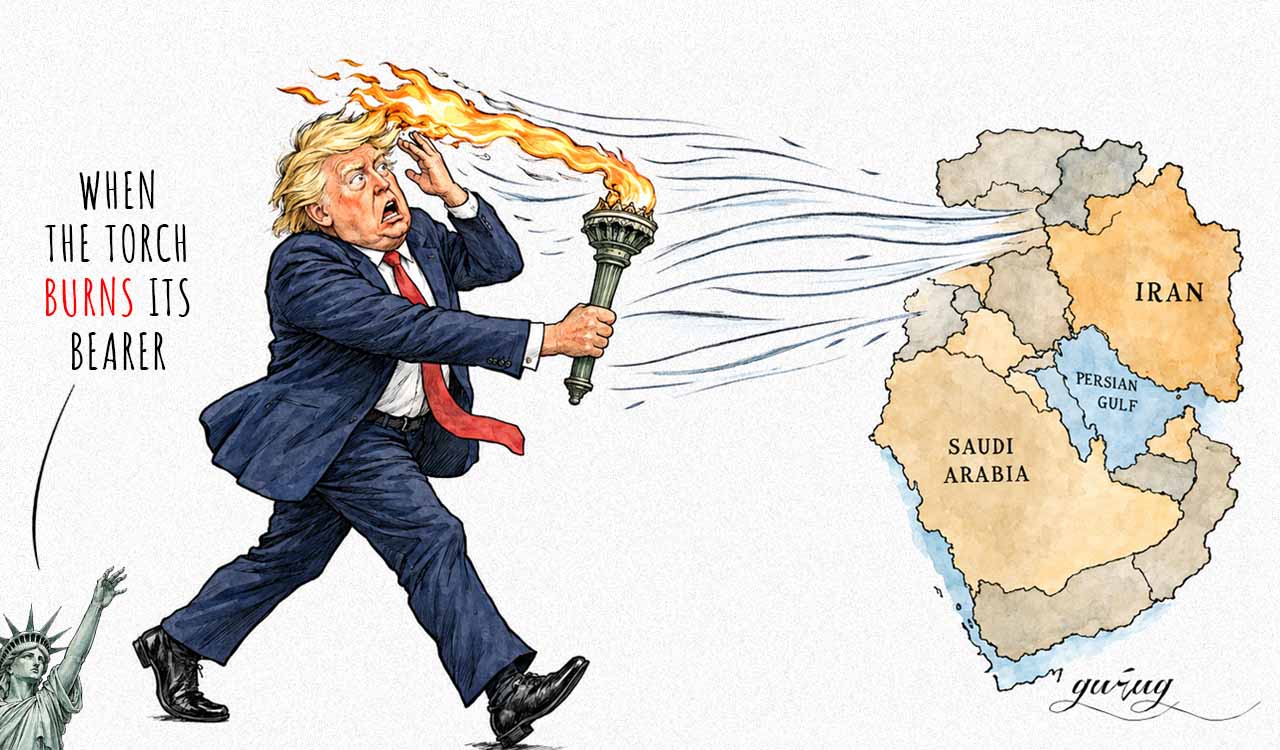
Opinion: India’s suspension of Indus Waters Treaty, an opportunity for strategic reset
India can use this moment to push for a renegotiated, modernised Indus Waters Treaty that reflects current environmental, technical and strategic realities


By Martand Jha
India’s decision to suspend the Indus Waters Treaty (IWT), following the deadly terrorist attack in Pahalgam, represents a dramatic shift in how New Delhi views its strategic and environmental interests in relation to Pakistan. The treaty, signed in 1960 with World Bank mediation, has long been hailed as a symbol of cooperation, surviving wars and hostilities between the two countries.
Also Read
But for India, the treaty has increasingly come to represent a lopsided arrangement — one that grants Pakistan disproportionate control over critical river systems while tying India’s hands on its own sovereign water resources.
Yet, even as the suspension marks a bold assertion of national rights, it brings a range of challenges — legal, ecological, infrastructural and strategic — that India must now navigate carefully. These challenges are not reasons to reverse course but require a nuanced and calibrated approach to ensure that the nation’s long-term interests are not compromised.
Sovereignty Vs Legal Norms
The IWT has been an outdated framework that no longer reflects present realities. When the treaty was signed in 1960, India was a newly independent nation with limited infrastructural capacity. The division of rivers — giving India exclusive use of the eastern rivers (Ravi, Beas, Sutlej) and Pakistan of the western rivers (Indus, Jhelum, Chenab) — was made under those constraints.
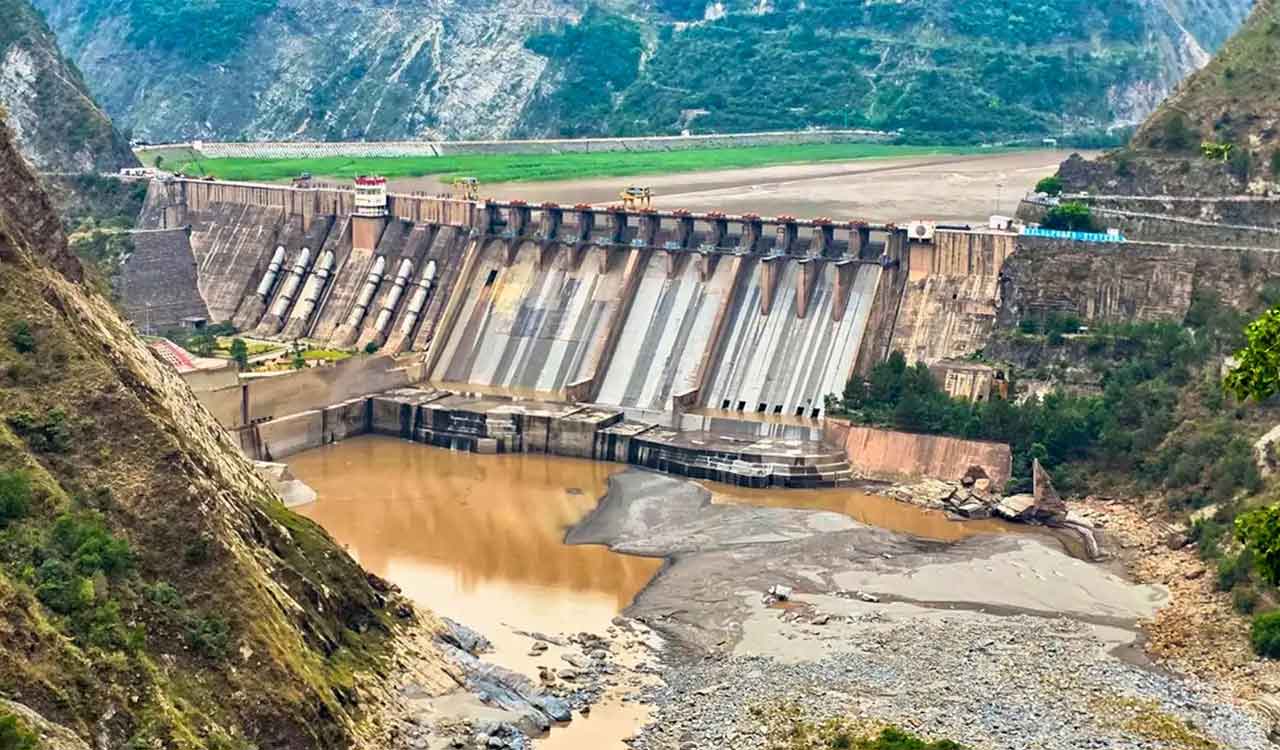
In the decades since, India’s water needs have grown exponentially, driven by population growth, climate change and industrial development. Meanwhile, Pakistan has continued to use the treaty to block our hydroelectric projects, such as the Kishanganga and Ratle dams, under the guise of technical objections, while providing little reciprocity or cooperation.
From a legal viewpoint, the suspension is not a violation of international law but a reaction to a “fundamental change of circumstances” — a principle recognised under Article 62 of the Vienna Convention on the Law of Treaties. Pakistan’s continued sponsorship or harbouring of cross-border terrorism represents a breach of the good faith that underpins all treaties. Hence, India is well within its sovereign rights to review or reconsider its participation in such an agreement.
Environmental Stewardship
Environmentalists argue that altering river flows in the Himalayan ecosystem could have consequences for biodiversity and downstream ecology. India does not dismiss these concerns. However, the current structure of the IWT does not account for modern environmental practices or climate resilience frameworks. For example, under the treaty, India has limited storage rights on the western rivers, which hinders its ability to manage floods or droughts effectively.
Rather than being constrained by outdated treaty obligations, India can now incorporate its climate goals, river rejuvenation efforts, and disaster preparedness into a comprehensive and modern water governance framework
India now has an opportunity to develop environmentally sound projects that balance ecological concerns with developmental needs. Strategic hydroelectric projects, such as the Ratle and Kishanganga, are designed to be run-of-the-river and comply with international environmental standards. Furthermore, India has shown restraint in how much water it utilises from the western rivers, using far less than its entitled share.
Rather than being constrained by outdated treaty obligations, India can now incorporate its climate goals, river rejuvenation efforts and disaster preparedness into a comprehensive and modern water governance framework. However, this will require strong environmental planning, inter-state coordination and regular impact assessments to avoid unintended consequences.
Infrastructure and Development
Suspending the IWT gives India the legal and operational space to fully harness the waters of the Indus system allocated to it. This includes building storage facilities and hydropower projects in Jammu & Kashmir and Ladakh — regions that have long suffered from energy shortages and underinvestment due to legal and diplomatic delays caused by the treaty.
But building such infrastructure is expensive and complex. The Himalayan terrain poses engineering challenges, and large-scale projects will require considerable financial and logistical planning. Moreover, the benefits of water control will not be immediate; they will unfold over decades.
To meet this challenge, India must invest in next-generation infrastructure, including underground reservoirs, smart irrigation systems and renewable energy projects that are environmentally sustainable. Importantly, the central government must work closely with affected States to ensure equitable distribution and avoid domestic disputes over water sharing.
Realignment in the Region
Strategically, the suspension of the treaty is a signal that India will no longer tolerate asymmetric relationships with its neighbours — especially when national security is at stake. For decades, Pakistan has used water as a pressure point in international forums, while continuing to nurture proxy elements that target Indian security interests. The IWT, in India’s assessment, gave Islamabad the upper hand diplomatically while extracting concessions from New Delhi under the guise of technical objections.
The suspension rebalances this dynamic. It sends a message that India will respond firmly, not just with military or economic tools, but by recalibrating foundational agreements when they no longer serve mutual interests. However, India must also be prepared for Pakistan’s backlash, including the possibility of legal disputes or increased diplomatic hostility in multilateral settings like the UN or the ICJ.
To manage this, India must launch a robust diplomatic campaign to explain its position. It must emphasise that this is not an act of aggression, but a reevaluation of outdated terms in a changed geopolitical and environmental context. Engaging global water governance bodies and environmental forums could also help build an international understanding of India’s rationale.
Balancing Security with Stability
Weaponising water is not India’s intent, nor is it in its long-term interest. India has never cut off flows even during wars, demonstrating restraint and maturity. However, water cannot be divorced from the broader security context — especially when Pakistan continues to use terrorism as state policy.
By suspending the treaty, India gains leverage, but that leverage must be used judiciously. Rather than permanently severing water-sharing ties, India can use this moment to push for a renegotiated, modernised treaty that reflects current environmental, technical and strategic realities. Such a treaty could include updated provisions on climate adaptation, data sharing, environmental conservation and basin-level cooperation.
Framework for Future
India’s suspension of the Indus Waters Treaty is not a reckless act — it is a calculated strategic reset. For too long, the treaty has constrained India’s development and has been used by Pakistan to stall projects and gain diplomatic mileage. In suspending it, India asserts its right to protect national interests in the face of persistent hostility.
But bold moves come with responsibilities. India must now rise to the challenge of developing an independent, equitable and sustainable water policy for the Indus system — one that strengthens internal capacities while opening the door to a more balanced future dialogue with Pakistan. Strategic patience, infrastructural investment, environmental sensitivity and diplomatic acumen will be key to turning this challenge into a long-term opportunity.

(The author is a PhD from School of International Studies, Jawaharlal Nehru University, New Delhi)

Related News