Opinion: The child behind the curriculum
Educational reform succeeds not by adding more to the curriculum, but by understanding what children should learn, when and how


By Vangeepuram Srinivasa Chary
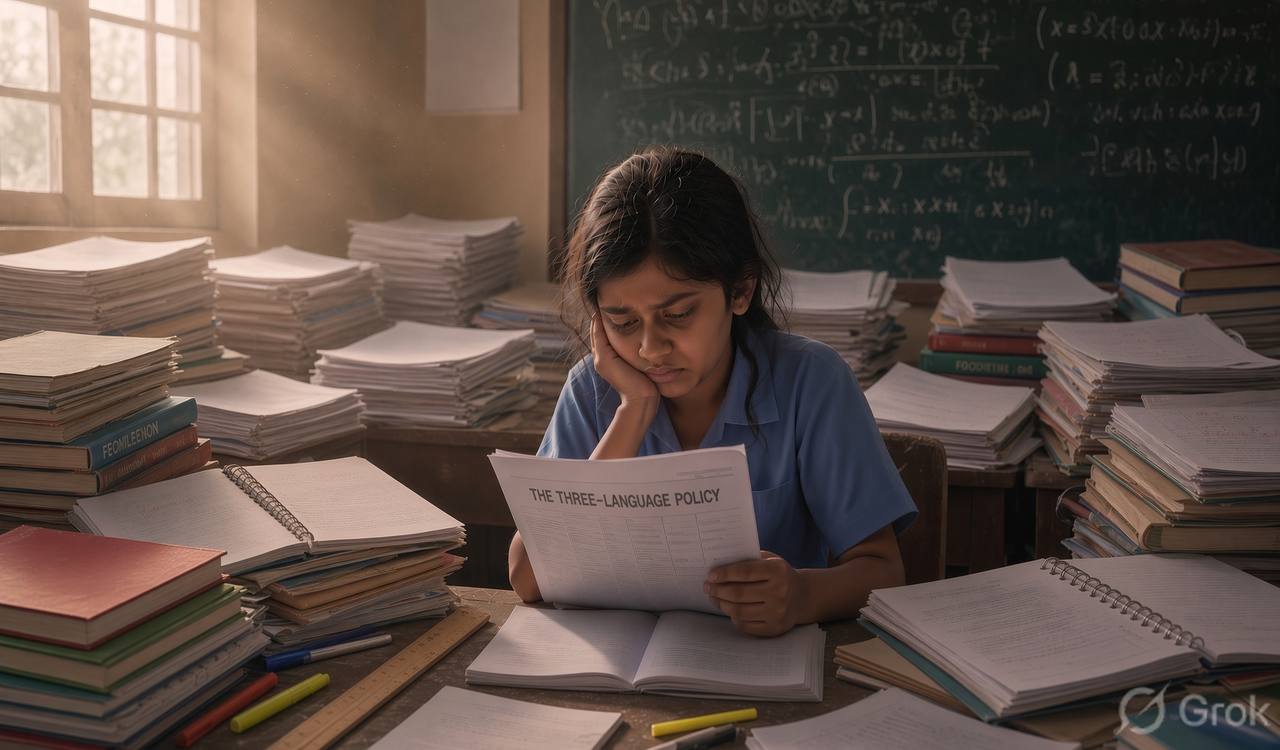
The Supreme Court’s recent observations on the introduction of a third language in Class IX have brought an important educational question into focus. The debate surrounding language policy is often shaped by political, cultural and constitutional considerations, but there is another perspective that deserves equal attention: the child who must ultimately experience the policy in the classroom.
Also Read
Learning additional languages can enrich children’s intellectual and cultural development, broaden communication and deepen their understanding of India’s diversity. The question, therefore, is not whether multilingual learning has value, but when and how it should be introduced.
A curriculum cannot be designed merely by deciding what children ought to learn; it must also consider their age, developmental readiness and existing academic demands. Every educational policy ultimately reaches the child as a classroom experience, and its success must, therefore, be judged not only by its objectives, but by how meaningfully the learner is able to absorb it.
Right Time to Learn
Children possess a remarkable capacity to learn languages, particularly when exposure begins early and occurs naturally. In the formative years, language learning can become part of everyday communication rather than another subject to be mastered for examinations. Educational policy must distinguish between learning a language and preparing to pass an examination in it. The former can broaden a child’s world; the latter may add to an already crowded academic burden.
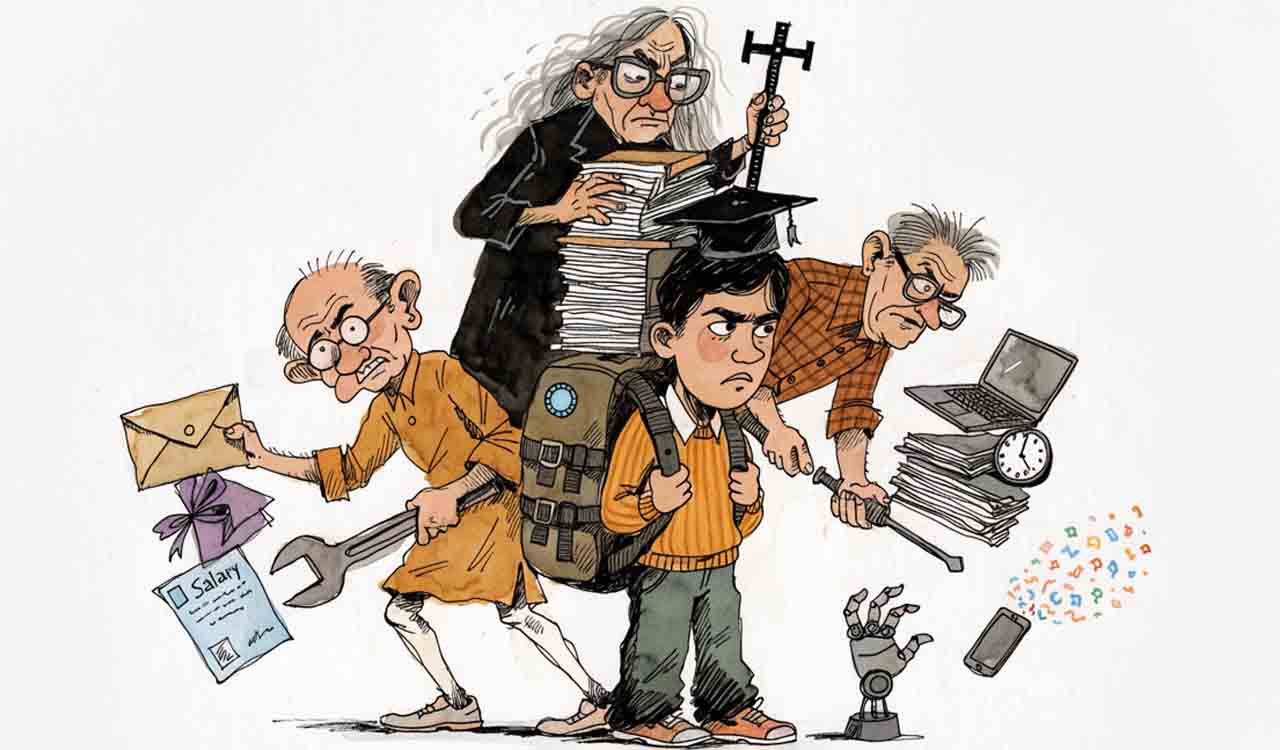
The transition to secondary education is already demanding for many students. By Class IX, academic expectations rise as schools begin preparing children for Board examinations and families become increasingly conscious of future academic choices. When additions are made without examining the overall workload, even well-intentioned reforms can reduce the time available for meaningful learning, recreation and personal development.
Beyond the Language Debate
The present discussion raises a question that extends beyond the three-language policy. How often do we examine educational reform from the perspective of the child who must experience it? Curriculum decisions are frequently judged by the knowledge and skills they seek to introduce. Less attention may be paid to whether students have adequate time, preparation and developmental readiness to engage with them meaningfully.
New knowledge, technologies and competencies will inevitably enter classrooms. Yet every addition occupies time and demands attention. Unless existing requirements are reviewed simultaneously, continuous additions can leave students learning more subjects but understanding fewer of them deeply.
The quality of education cannot, therefore, be measured by the quantity of content in a syllabus. A well-designed curriculum requires careful choices about what should be taught, at what stage and for what purpose. Reform should also create space for deeper learning and recognise that childhood itself has educational value.
One Policy, Different Classrooms
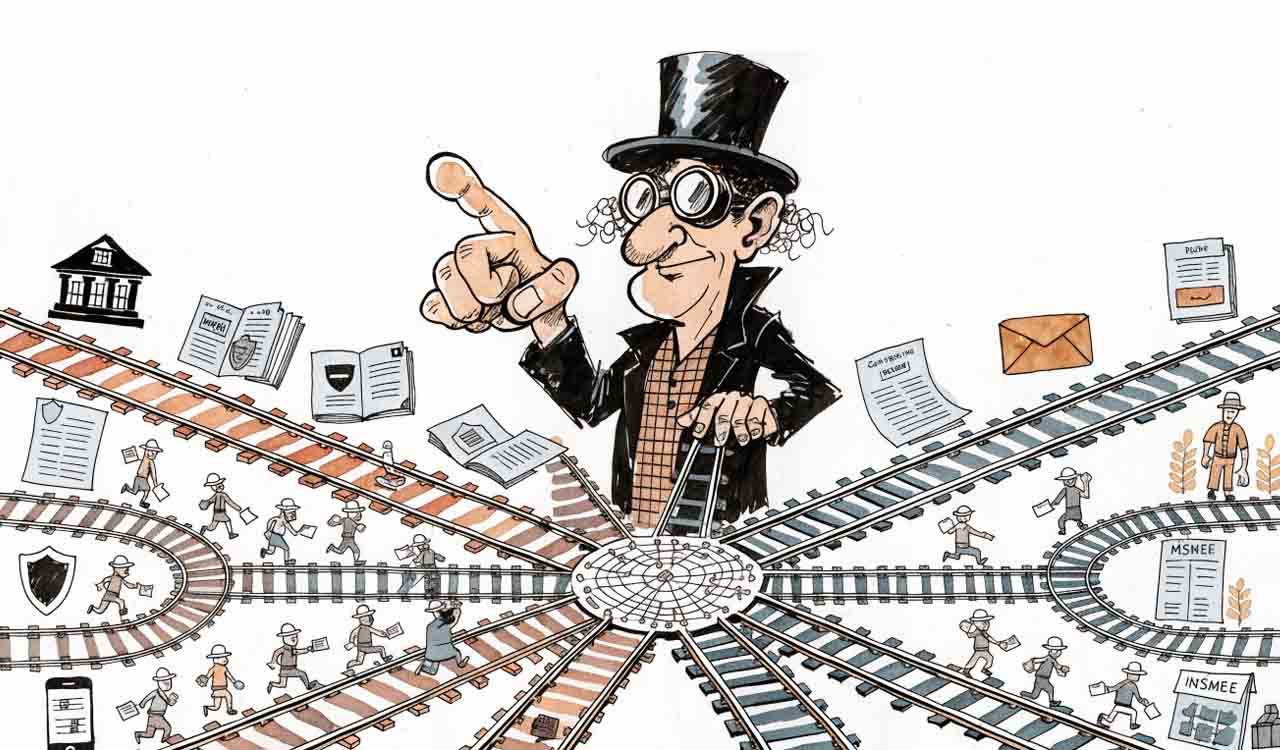
India’s educational landscape is marked by considerable diversity in resources, linguistic backgrounds and access to trained teachers. While some schools may be equipped to introduce an additional language effectively, others may struggle with shortages of qualified teachers, suitable textbooks and instructional time. The success of any language policy, therefore, depends as much on preparedness as on intention.
The challenge is particularly significant for students in rural and under-resourced schools and for children who move between States because of their parents’ employment. A language familiar in one region may be entirely new in another. Students also enter classrooms with different levels of exposure and linguistic ability. Applying an identical requirement without recognising these differences can unintentionally widen educational inequalities.
Uniform educational goals need not always require uniform methods of implementation. Schools must be adequately prepared, teachers must be available before new requirements are introduced, and students should receive sufficient time to adapt. Educational reform succeeds when policy is translated into meaningful learning in every classroom, not merely when it is formally included in the curriculum. Equal expectations can produce unequal burdens when the circumstances in which children learn are different.
Child at the Centre
Before introducing a new subject, language or requirement, policymakers must consider not only its educational value but also the age at which it should be introduced, the preparation required and the burden students are already carrying. A sound curriculum should challenge children intellectually without overwhelming them emotionally.
This requires consultation with teachers, educationists, child-development professionals and counsellors who understand how children learn and respond to academic pressure. Teachers, in particular, can provide valuable insights into classroom realities that may not always be visible at the policymaking level.
Flexibility is equally important. Educational policies must recognise differences in linguistic background, learning ability and institutional resources rather than assuming that every child begins from the same point. Periodic assessments should examine not merely whether a policy has been implemented, but how students are experiencing it. can identify unintended difficulties before they become entrenched.
Child-centred education does not mean lowering standards or avoiding academic challenge. It means creating conditions in which children can meet high expectations without being overwhelmed. When policy begins with the needs of the learner, educational reform becomes both more humane and more effective.
Rethinking Success
Educational reform should ask three questions: What should children learn? When should they learn it? And how should they experience the process? The answers must reflect an understanding of childhood, developmental readiness and the pressures students already face. The purpose of a curriculum is not merely to prepare students for examinations or equip them with an ever-expanding list of competencies. It is to nurture curiosity, understanding, confidence and the capacity to continue learning throughout life.
A system that constantly adds to what children must learn, without creating space for meaningful learning, risks confusing educational ambition with educational progress. Educational policy may determine what enters the curriculum, but its true success is decided by the child who carries it into the classroom.

(The author is a counsellor, achievement facilitator and human development trainer specialising in guidance, parenting and adolescent development)

Related News