Opinion: When childhood takes the wheel – the hidden risks of underage driving
Rising underage driving in Hyderabad reflects failures in supervision, responsibility and adolescent guidance, demanding urgent action from families, schools and authorities


By Vangeepuram Srinivasa Chary
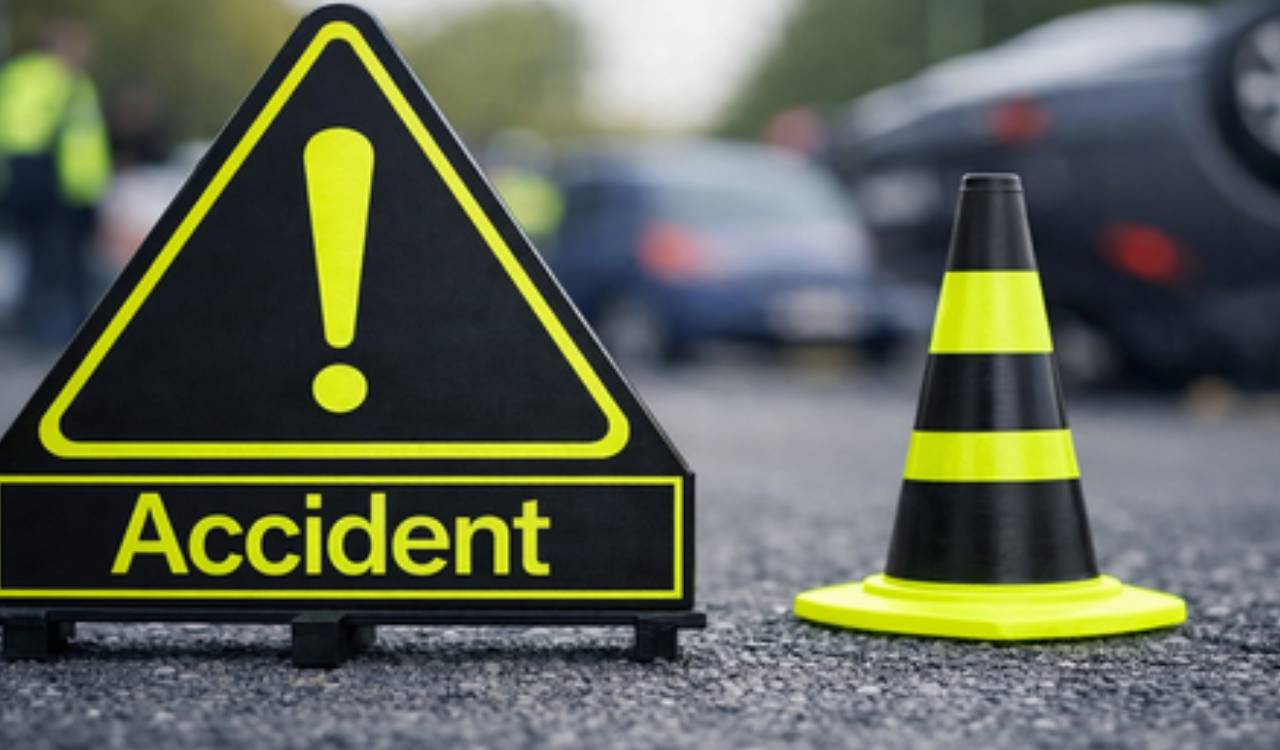
Underage driving continues to pose a serious threat to child safety on Hyderabad’s roads. Recent data released by the Hyderabad Traffic Police revealed that 2,539 cases involving minors driving vehicles were registered between January and May this year. During the same period, road accidents involving children caused numerous injuries and claimed several young lives.
Also Read
In response, authorities have proposed stricter measures, including awarding negative marks to students found violating traffic regulations. These figures point to a growing problem affecting adolescents and public safety.
The issue, however, extends beyond traffic enforcement. Underage driving is fundamentally a child-safety and developmental concern. When children who are legally ineligible to drive find themselves behind the wheel of motorcycles, scooters or cars, the problem cannot be explained solely by youthful recklessness. It reflects gaps in supervision, accountability and guidance.
The Growing Concern
Despite clear legal restrictions, adolescents continue to gain access to vehicles with surprising ease. In many communities, underage driving is viewed as a harmless sign of independence rather than a serious safety risk. Easy access to vehicles, rising ownership and social tolerance have all contributed to its persistence. The seriousness of the issue becomes clearer when viewed alongside recent accident data.
According to the Hyderabad Traffic Police, 128 children were involved in road crashes during the first five months of the year, resulting in seven fatalities and numerous injuries. Authorities also suspended hundreds of vehicle registrations linked to underage-driving violations. These figures demonstrate that the problem is neither isolated nor occasional. It is a public-safety concern with potentially devastating consequences for young lives and their families.
The risks extend beyond the young drivers themselves. Underage driving endangers passengers, pedestrians and other road users. A moment of distraction, overconfidence or poor judgement can lead to injuries, lifelong disabilities or loss of life. Road safety is, therefore, not merely a personal matter but a shared social responsibility.
Adolescents and Risk-Taking
Adolescence is a period of rapid physical, emotional and psychological development. Young people naturally seek independence and test boundaries. While these tendencies are a normal part of growing up, they can sometimes lead adolescents to underestimate risks and overestimate their abilities. Driving often becomes one such arena where confidence develops faster than judgement.
Research in developmental psychology shows that the parts of the brain responsible for impulse control, risk assessment and long-term decision-making continue to mature throughout adolescence. As a result, young people may act on excitement without fully appreciating the consequences of their actions. The thrill of speed and independence can make driving appealing despite limited maturity. Peer influence further compounds the problem.
Adolescents are often sensitive to social approval and group expectations. The encouragement of friends or the desire to impress peers can encourage risky behaviour. In such situations, the belief that ‘nothing will happen to me’ frequently overrides caution. Unfortunately, accidents often occur when confidence exceeds competence. Recognising these developmental realities does not excuse underage driving. Rather, they highlight why prevention requires both understanding and accountability.
Parents Silent Enablers
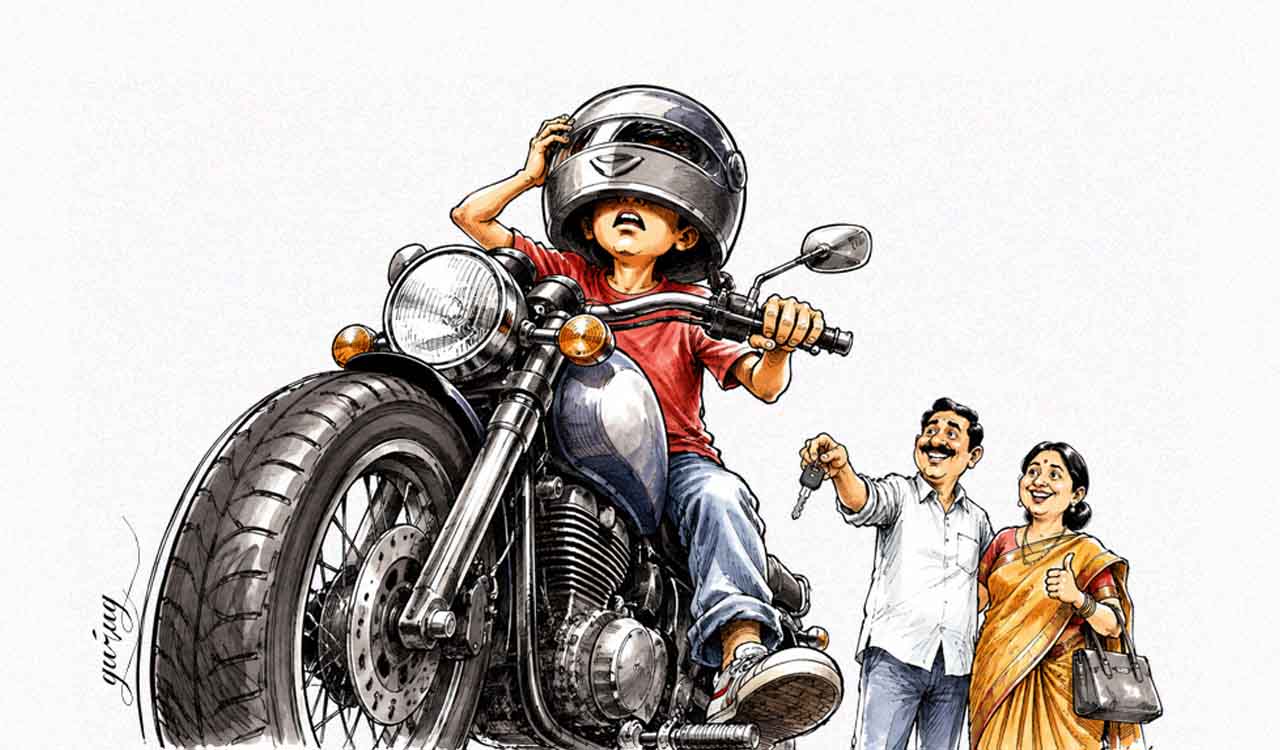
In many cases, underage driving does not occur without adult knowledge. Adolescents rarely gain access to vehicles independently. More often, the keys are made available by parents or family members who underestimate the risks involved. Some parents permit underage driving out of convenience, while others see it as a sign of maturity or responsibility. Yet safe driving requires more than confidence. It demands judgement, self-discipline and emotional regulation—qualities that are still developing during adolescence.
Parents are powerful role models. Young people learn not only from what adults say but also from what they tolerate. When families overlook underage driving, they unintentionally communicate that rules can be ignored when convenient. By contrast, parents who establish clear boundaries and model responsible behaviour help cultivate respect for both safety and the law. Addressing underage driving, therefore, requires parental engagement as much as legal enforcement. The first barrier against risky behaviour is often not a traffic checkpoint but a responsible adult willing to say, ‘Not yet.’
Beyond Punishment
The Hyderabad Traffic Police’s proposal to award negative marks to students involved in traffic violations reflects a growing determination to address the problem. Stronger enforcement can act as a deterrent and reinforce the message that underage driving is neither harmless nor acceptable.
Laws exist to protect lives, and violations must carry consequences. At the same time, punishment alone rarely produces lasting behavioural change. Adolescents who do not fully understand the risks associated with their actions may view penalties as temporary inconveniences rather than opportunities for learning.
The goal should not merely be fewer traffic violations or stricter enforcement. Lasting change requires society to help adolescents make safer, more responsible choices
Sustainable prevention requires young people to appreciate not only the legal implications of underage driving but also its potential impact on themselves and others. Awareness, guidance and accountability must, therefore, work together. Effective solutions combine enforcement with education, helping adolescents make safer choices before they encounter the consequences of poor ones.
Partners in Prevention
Schools have an important role to play. They help shape attitudes, values and responsible behaviour. Because adolescents spend much of their time in school, educators are well placed to reinforce messages related to safety, responsibility and respect for the law. Road-safety education should form part of a broader effort to prepare young people for responsible citizenship. Discussions on traffic rules, accident prevention and the consequences of risky behaviour can help students understand that driving is both a privilege and a responsibility.
Schools can also work with parents, traffic authorities and community organisations to promote safer behaviour through awareness campaigns, expert talks and road-safety programmes. Prevention is most effective when it begins while values and habits are still being shaped.
A Shared Responsibility
Addressing underage driving requires a collective effort. While adolescents must be held accountable for their actions, responsibility for prevention rests with multiple stakeholders. Parents, schools, traffic authorities, policymakers and communities all have important roles to play in creating an environment that discourages risky behaviour and promotes responsible decision-making.
Communities can contribute by challenging the social acceptance of underage driving and encouraging a culture of responsibility. When relatives, neighbours and community leaders treat such behaviour as a serious concern rather than a harmless rite of passage, social norms begin to change. Most importantly, efforts to address underage driving should focus not only on controlling behaviour but also on shaping attitudes. Prevention succeeds best when guidance, supervision and accountability work together.
Protecting Childhood, Protecting Lives
Underage driving is often discussed in terms of traffic violations and enforcement. While these aspects are important, the issue ultimately concerns something much larger: the protection of childhood itself. Children and adolescents are still developing the judgement, responsibility and emotional maturity needed to navigate complex situations safely. Placing them behind the wheel before they are ready exposes them to risks with life-altering consequences.
The issue should be viewed as more than a law-and-order concern. It is a reminder that society must do more to guide young people through the challenges of adolescence. Rules are most effective when supported by responsible parenting, meaningful education and a culture of safety. A society is ultimately judged not only by the opportunities it provides its children but also by the care it takes to protect them from avoidable harm.
The goal should not merely be fewer traffic violations or stricter enforcement. It should be to ensure that young people acquire the maturity and responsibility necessary to make safe choices before they are entrusted with adult privileges. When childhood takes the wheel too soon, lives can be placed at risk. Protecting childhood is an investment in a safer future.
(The author is a counsellor, achievement facilitator and human development trainer specialising in guidance, parenting and adolescent development)

Related News