PETA India gifts robotic elephant for use in rituals and film shoots
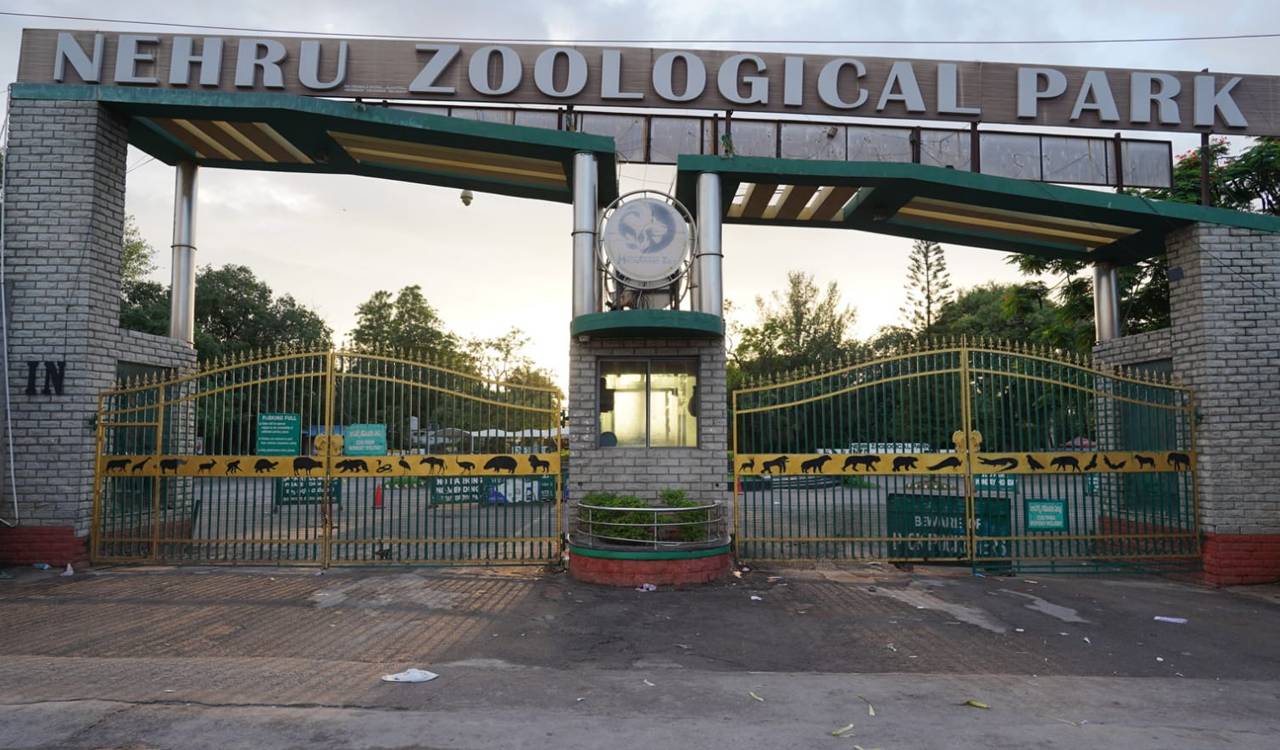
PETA India has donated a robotic elephant to Telangana to promote public safety and animal welfare. The lifelike elephant, housed at Nehru Zoological Park, can be used for processions, rituals and film shoots, reducing reliance on captive elephants
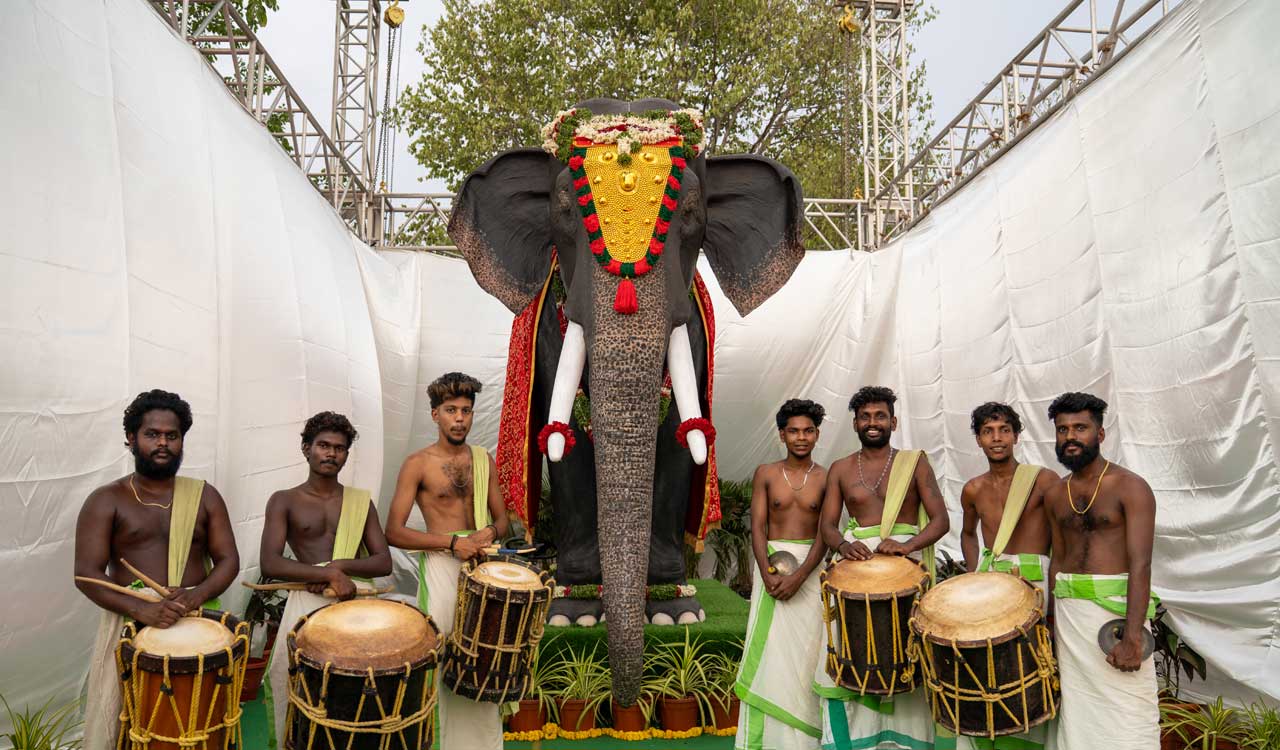


Hyderabad: In a groundbreaking initiative prioritising the safety of the people of Telangana and animal welfare, People for the Ethical Treatment of Animals India (PETA India) has donated a robotic elephant that can be used for processions, film shoots and other purposes where live elephants have conventionally been used.
Chief Minister A Revanth Reddy formally welcomed and dedicated the robotic elephant during an event at Gurramguda Forest Block, Ibrahimpatnam.
The lifelike robotic elephant, which will be housed at the Nehru Zoological Park and made available for use by individuals and organisations that approach the Telangana Forest Department, can shake its head, move its ears and eyes, swish its tail and lift its trunk.
Robotic elephants, created by various Indian artisans, can be climbed upon, and a seat can be affixed to the back. They can be operated simply by plugging into an electricity source. They can be taken through the streets and are mounted on a wheelbase, allowing them to be moved or driven for rituals and processions safely and with ease.
More than 40 robotic elephants are now being used in Hindu temples and a Jain temple across the country, and PETA India has donated 27 of them in recognition of temples’ decisions to never own or hire live elephants. Robotic elephants are now also appearing in advertisements, weddings, circuses, rallies and other events.
Elephants in captivity are commonly chained and controlled with weapons. The animals are also often hungry, thirsty and lonely, which makes them frustrated, upset and dangerous, PETA India said in a press release. According to figures compiled by the Heritage Animal Task Force, captive elephants killed 526 people in Kerala over a 15-year period.

Related News