
RBI faces challenge in predicting currency demand amid UPI growth
The Reserve Bank is grappling with rising currency in circulation despite rapid growth in digital payments. Deputy Governor S C Murmu said the cash paradox makes future currency demand difficult to predict and complicates planning for banknote production and distribution
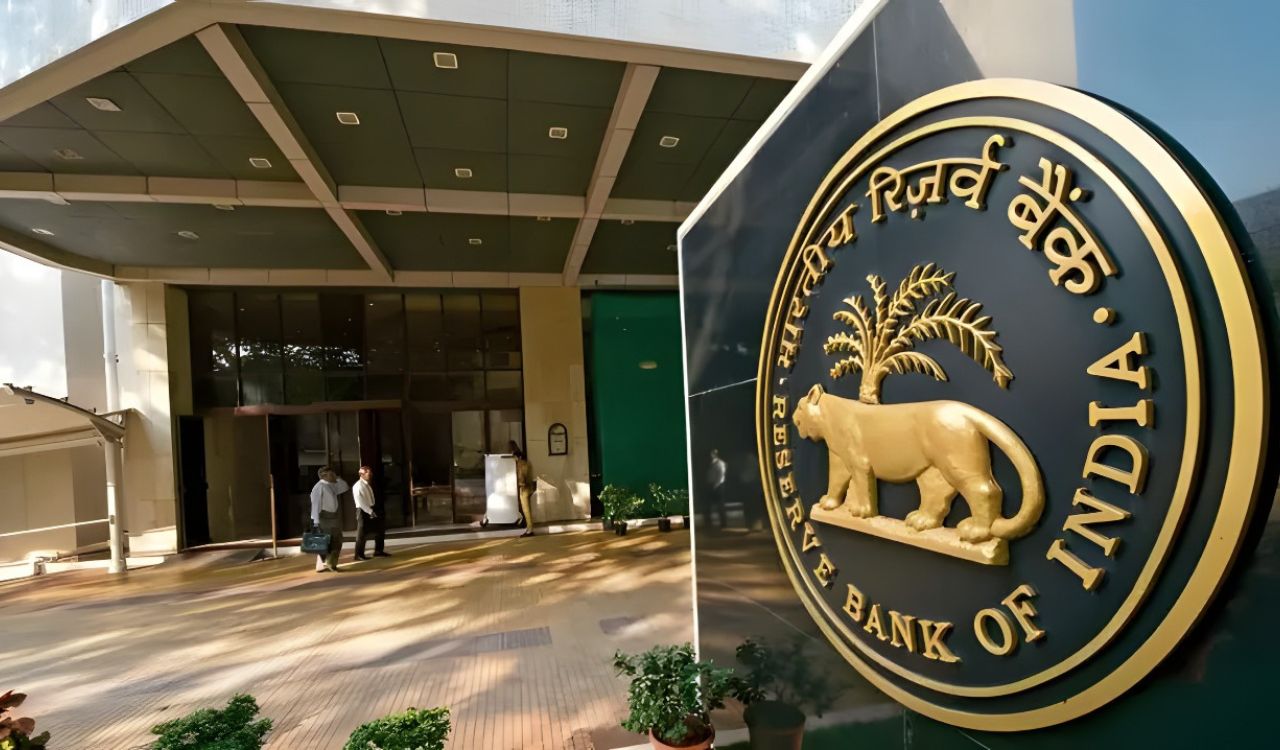


Mumbai: The Reserve Bank is grappling with the ‘paradox’ of growing currency in circulation despite the jump in digital payments, a top official has said.
Speaking at a global seminar on cash ecosystems organised by Bank Indonesia in Jakarta on August 13, Reserve Bank Deputy Governor S C Murmu said that this paradox makes predicting future currency demand difficult and seemed eager to explore solutions.
Explaining what he termed as the ‘cash paradox’, Murmu said, “currency in circulation continues to grow at double-digit rates even as cash’s share of individual transactions declines, thanks to growing digital payment adoption.” This combination makes future demand harder to predict, which complicates RBI’s planning for production and distribution capacity, he said, adding that the Indian central bank typically makes a five-year forward projection on currency demand every year.
Addressing the global gathering, Murmu added, “If any of you have found a good way to model this tension, I would genuinely like to hear it during our discussion.” He said the RBI’s projections are based both on “transactional demand”, which is estimated from expected changes in currency in circulation driven by GDP growth, interest rates, food inflation, and the pace of digital payment adoption, and also, “replacement demand”.
It can be noted that the currency in circulation grew by nearly 12 per cent to Rs 41.6 lakh crore at the end of FY26 from Rs 41.23 lakh crore in FY25, as per the RBI’s annual report, even as the ubiquitous unified payment interface (UPI) itself has seen a 21 per cent jump in payment volumes in the same year.
Stating that regulating the issue of banknotes was one of the principal reasons for the creation of RBI in 1935, Murmu also said that the central bank is keen to look at ways to extend the life of banknotes, including by having surface coatings on the substrate, and polymer notes for lower denominations.
It is also working on ways to reduce the carbon footprint of the cash cycle by optimising the distribution network for efficiency and moving up the value chain on how it disposes banknote briquettes, he added.
Explaining the size of RBI’s operation, Murmu said India has 176 billion banknotes in circulation today. It produces between 28 and 30 billion banknotes by pieces every year and disposes about 21 billion pieces which are soiled or torn.
By comparison, roughly 56 billion US dollar bills and 30 billion euro banknotes were in circulation at the end of last year, he added.

