Satellite-based tolling to go live by 2026-end, says Gadkari
Centre will roll out a satellite and AI-based toll collection system nationwide by end-2026, eliminating waiting time at toll plazas, Union Minister Nitin Gadkari told the Rajya Sabha, adding it will save fuel costs and significantly boost government revenue
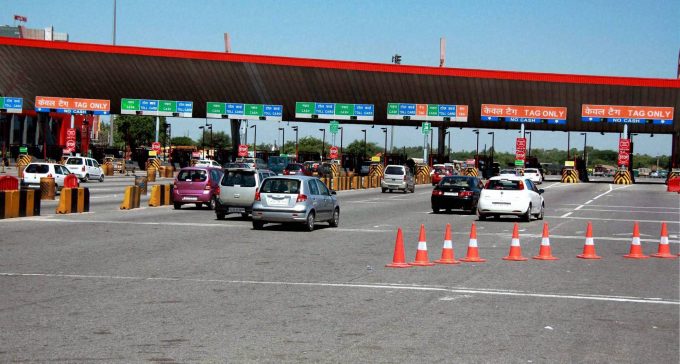


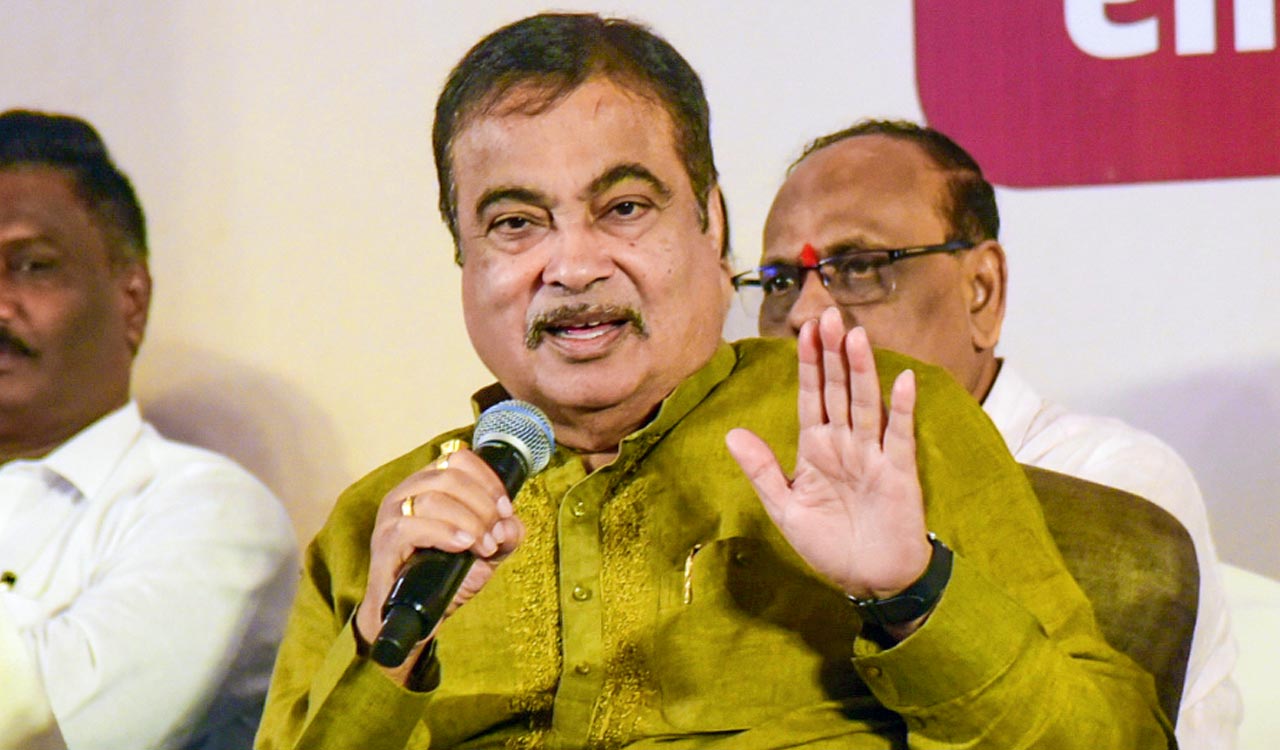
New Delhi: A satellite-based toll collection system will be operational across the country by 2026-end, which will eliminate the waiting time at toll plazas for commuters and bring more revenue for the government, Union Minister Nitin Gadkari informed the Rajya Sabha on Wednesday.
Responding to supplementaries during the Question Hour, the Road Transport and Highways Minister said the new technology will be satellite and AI-based and commuters will not have to wait at toll plazas.
This, he said, will help save fuel worth Rs 1,500 crore and add Rs 6,000 crore to the government revenue and there will be zero wait time at toll plazas.
“The multi-lane free flow toll (MLFF) is a very good facility. Earlier, we had to pay at the toll, and it would take 3 to 10 minutes; then, due to FastTag, the time has come down to 60 seconds or less. Our income has increased by at least Rs 5,000 crore. After MLFF came, replacing FastTag, cars can now cross the toll at a maximum of 80 km per hour, and no one will be stopped at the toll,” he said in the House.
“Our attempt is to make it to zero minutes, and this would involve number plate recognition through satellite with AI and FastTag,” he added.
“By 2026-end we will complete this work 100 per cent, and once this task is complete, our income will help save Rs 1,500 crore, and our income will further rise by another Rs 6,000 crore, and toll theft will end,” Gadkari said.
He said the new technology will certainly help people, and travel time will certainly be reduced.
“I assure the House that before the end of 2026, there will be zero waiting time for vehicles travelling at speed of 80 kms/hour at toll plaza,” he assured the members.
Regarding malpractices by contractors, Gadkari said strict action will be taken against violators.
“Our latest decision is that those contractors who are not working properly will be debarred for two years and he will not be able to apply for further tenders,” he said.
The minister said the government was, however, only responsible for national highways and not state highways or city roads. But, many times on social media, there are problems on state and city roads and are dubbed as if they happened on national highways. “We are trying to make the system transparent and corruption-free.” In his written reply to a starred question, the transport minister said in an effort to enhance toll operations and enable seamless movement of vehicles, the government has decided to implement MLFF electronic toll collection system.
This new system facilitates barrier-less tolling using integrated technologies including Automatic Number Plate Recognition (ANPR) with AI analytics and RFID-based Electronic Toll Collection (FASTag).
“Implementation of barrier-less fee collection system on other fee plazas is planned in a phased manner depending upon the outcome and efficacy of the implementation on already awarded pilot projects.
“Further…it is expected to improve user convenience by offering faster and seamless travel, while also delivering significant economic benefits through cost savings, higher operational efficiency, environmental benefits, and improved productivity,” the minister said.
Besides, he said, in the absence of physical toll booths and barriers, operational and maintenance costs are substantially reduced, resulting in lower expenditure on infrastructure upkeep and manpower.

Related News