Scientists genetically engineer extinct dire wolf
Dire wolves went extinct more than 10,000 years old and are much larger than gray wolves, their closest living relatives today
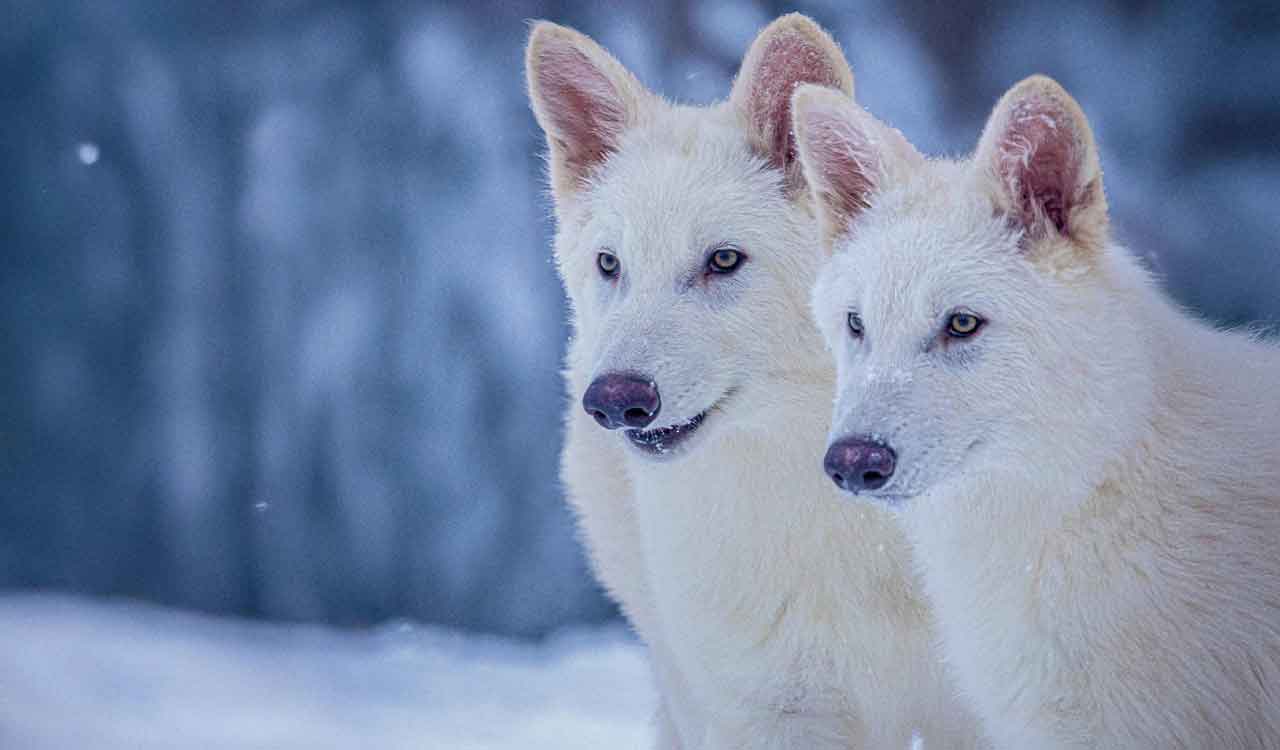
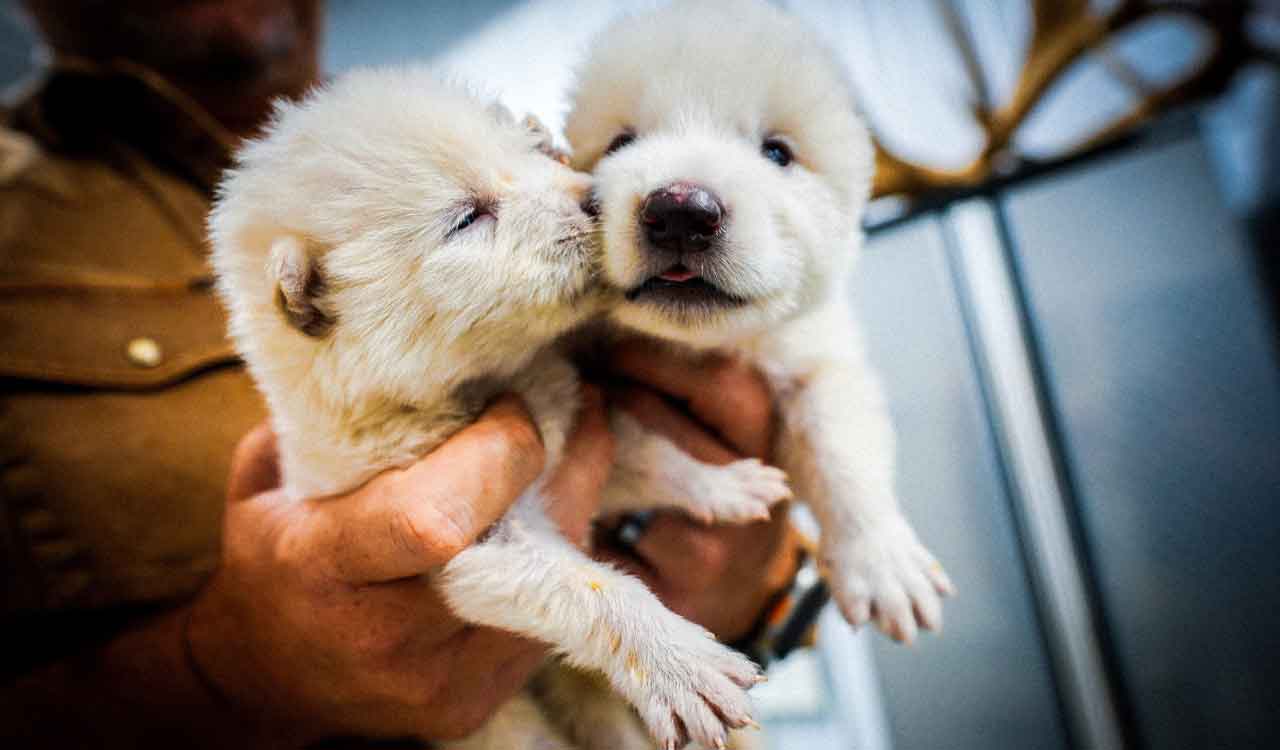


Washington: Three genetically engineered wolves that may resemble extinct dire wolves are trotting, sleeping and howling in an undisclosed secure location in the US, according to the company that aims to bring back lost species.
The wolf pups, which range in age from three to six months old, have long white hair, muscular jaws and already weigh in at around 80 pounds — on track to reach 140 pounds at maturity, researchers at Colossal Biosciences reported.
Dire wolves, which went extinct more than 10,000 years old, are much larger than gray wolves, their closest living relatives today.
Independent scientists said this latest effort doesn’t mean dire wolves are coming back to North American grasslands any time soon. “All you can do now is make something look superficially like something else” — not fully revive extinct species, said Vincent Lynch, a biologist at the University at Buffalo who was not involved in the research.
Colossal scientists learned about specific traits that dire wolves possessed by examining ancient DNA from fossils. The researchers studied a 13,000 year-old dire wolf tooth unearthed in Ohio and a 72,000 year-old skull fragment found in Idaho, both part of natural history museum collections.
Then the scientists took blood cells from a living gray wolf and used CRISPR to genetically modify them in 20 different sites, said Colossal’s chief scientist Beth Shapiro.
They transferred that genetic material to an egg cell from a domestic dog. When ready, embryos were transferred to surrogates, also domestic dogs, and 62 days later the genetically engineered pups were born.
Colossal has previously announced similar projects to genetically alter cells from living species to create animals resembling extinct woolly mammoths, dodos and others. Though the pups may physically resemble young dire wolves, “what they will probably never learn is the finishing move of how to kill a giant elk or a big deer,” because they won’t have opportunities to watch and learn from wild dire wolf parents, said Colossal’s chief animal care expert Matt James.
Colossal also reported that it had cloned four red wolves using blood drawn from wild wolves of the southeastern US’s critically endangered red wolf population. The aim is to bring more genetic diversity into the small population of captive red wolves, which scientists are using to breed and help save the species.
This technology may have broader application for conservation of other species because it’s less invasive than other techniques to clone animals, said Christopher Preston, a wildlife expert at the University of Montana, who was not involved in the research.
But it still requires a wild wolf to be sedated for a blood draw and that’s no simple feat, he added.
Colossal CEO Ben Lamm said the team met with officials from the US Interior Department in late March about the project. Interior Secretary Doug Burgum praised the work on X on Monday as a “thrilling new era of scientific wonder” even as outside scientists said there are limitations to restoring the past.
“Whatever ecological function the dire wolf performed before it went extinct, it can’t perform those functions” on today’s existing landscapes, said Buffalo’s Lynch.

Related News