SIR conducted without bias, follows due process: Centre in Rajya Sabha
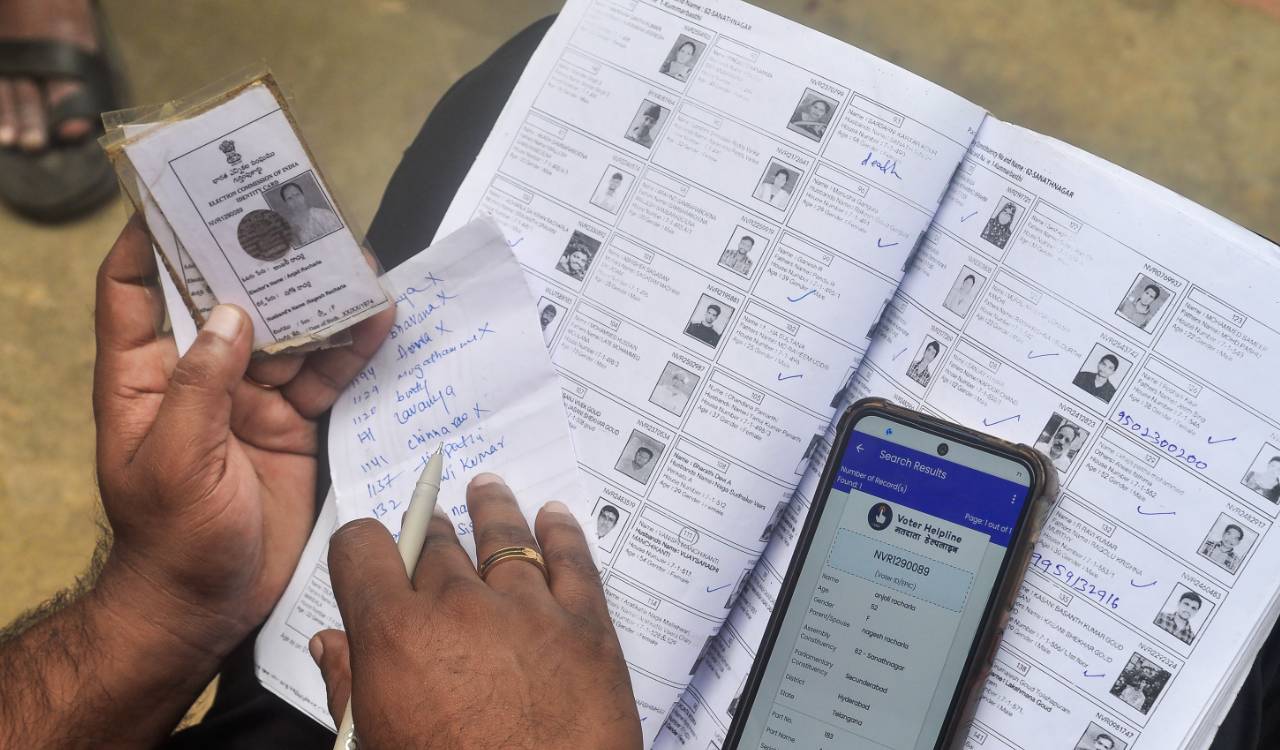
The Centre told the Rajya Sabha that the Election Commission's Special Intensive Revision of electoral rolls is being conducted without prejudice to any community and in accordance with law. It said the Supreme Court has upheld the EC's constitutional authority to undertake the exercise
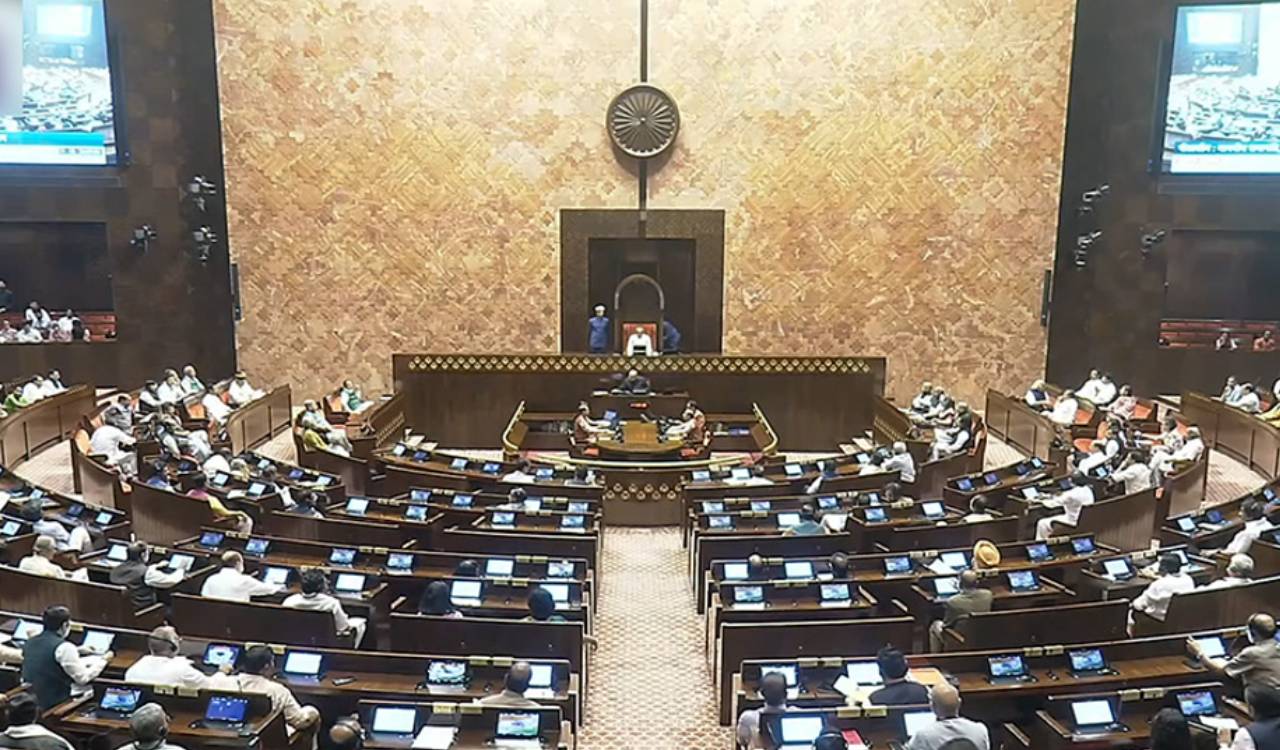


New Delhi: The government on Thursday asserted in the Rajya Sabha that the ongoing Special Intensive Revision (SIR) of electoral rolls is being carried out without prejudice towards any group or community and by following due process of law. In a written reply, Law Minister Arjun Ram Meghwal said the Supreme Court has also endorsed the Election Commission’s powers under the Constitution to carry out SIR to purify the voters’ list.
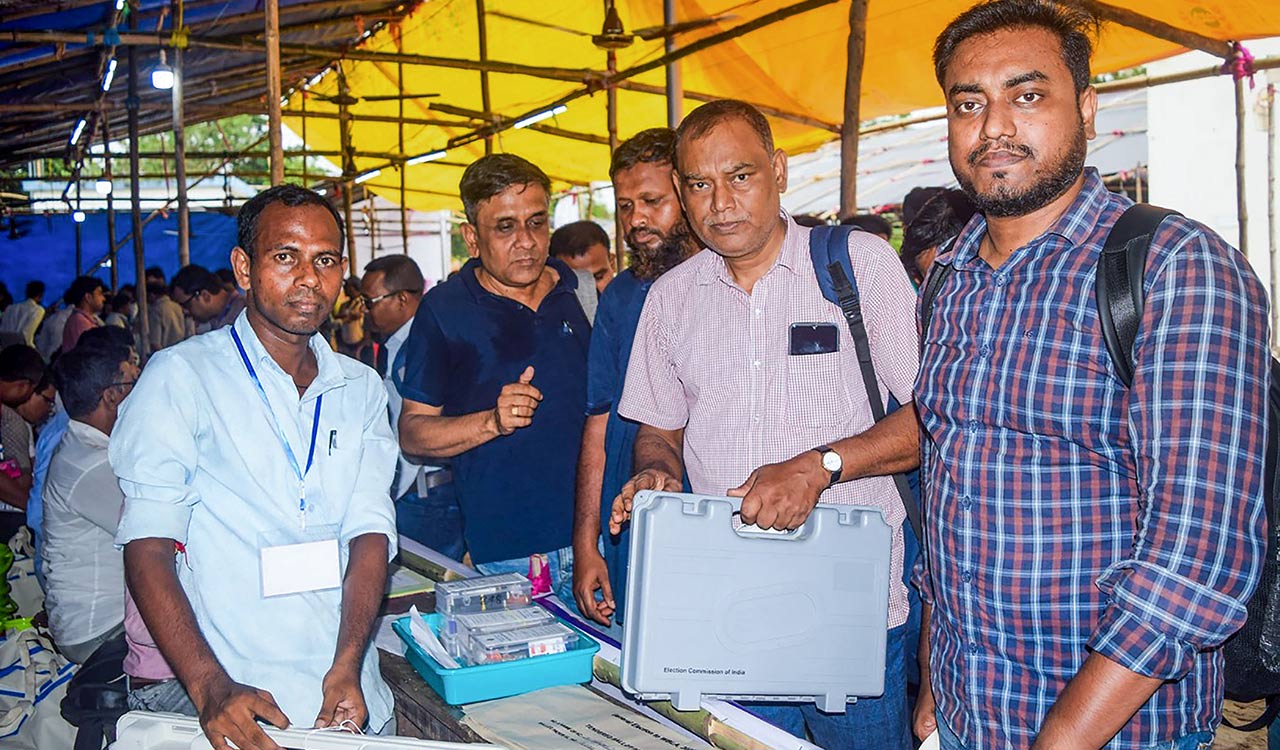
“SIR is carried out by following the due process of law without prejudice to any group or community,” he said. He noted that the Election Commission (EC), from time to time, has clarified that it carries out internal quality checks at each stage of SIR, including cross-verification of booth level officer (BLO) enumeration through supervisory officers, random sample audits of deleted entries and public disclosure of draft and final rolls to enable scrutiny by political parties and electors.
The combined voters’ list of nine states and three Union Territories (UTs) has been pruned by 10.2 per cent following the SIR exercise carried out by the EC, with over 60 lakh dead voters removed.
The minister acknowledged that the United Nations Special Rapporteur has highlighted the large-scale removal of names from electoral rolls through an SIR process, particularly in West Bengal.
The EC, under Article 324 of the Constitution, is responsible for the supervision, direction and control of the preparation of electoral rolls and the conduct of elections for Parliament and state legislatures. In the past, the process of SIR has been carried out by the EC.

Related News