Some climate damage irreversible, historical emitters must act: UNEP India head
The UNEP’s latest report warns that global temperatures could temporarily cross the 1.5-degree Celsius threshold within years. UNEP India head Balakrishna Pisupati said some climate impacts, including biodiversity loss, glacier retreat and sea-level rise, could become permanent despite technological progress



New Delhi: The latest report by the UN Environment Programme (UNEP) sends a clear message that the world is running dangerously close to breaching the 1.5-degree Celsius global warming threshold, and 50 years of technological progress cannot reverse climate change, a top United Nations (UN) official has said, warning that “things may not return to normal.”
The UNEP’s ‘Limiting Overshoot’ report, released on Wednesday, warns that global temperatures are set to temporarily cross the 1.5-degree Celsius warming threshold above pre-industrial levels within the next few years.
It further states that this could intensify extreme weather, cause ecosystem loss and lead to the submersion of small island developing nations, calling for immediate and sustained cuts in greenhouse gas emissions.
Speaking exclusively to PTI Videos on the report, Balakrishna Pisupati, UNEP India head, stressed that policy and investment decisions must account for changes that are permanent and long-term, adding that some changes can still be reversed while others cannot, and that distinction matters for every country, community and person across the world.
“South Asia is challenged by a number of overlapping problems — demographic pressures, income inequality, unequal access to technology, and a just transition. Like many developing countries, South Asia is largely at the receiving end of global warming,” Pisupati told PTI.
“Many of these changes don’t respect political boundaries, which is why we have multilateral processes, negotiations, and frameworks like the UN Framework Convention on Climate Change (UNFCCC),” he added.
Flagging what is critically important for South Asia and other regions, he noted that several climate “clocks” are ticking simultaneously, each moving at its own speed and time horizon, spanning the heat clock, the glacier clock, the sea-level clock, the ecosystem clock and the human clock.
“Take the heat clock. The moment we reduce warming, we may see an immediate effect. But the glacier clock is different. Even if temperatures fall back to 1.2 or 1.3 degrees Celsius after a hundred years, glaciers won’t simply re-form, and ice caps won’t return to how they were in the 1800s or 1900s. Glaciers respond to these changes largely independently of other systems,” he said.
Pisupati pointed out that the ‘sea-level clock’ moves at a faster pace, and its effects will be “impossible” to reverse over a decade even if warming is capped at 1.5 degrees Celsius.
Talking about the ‘ecosystem clock’, he highlighted that biodiversity loss is permanent, and a species cannot be brought back once it goes extinct, adding that modern tools like synthetic biology and biotechnology offer hope of resurrecting elements of the past, but never under truly natural conditions.
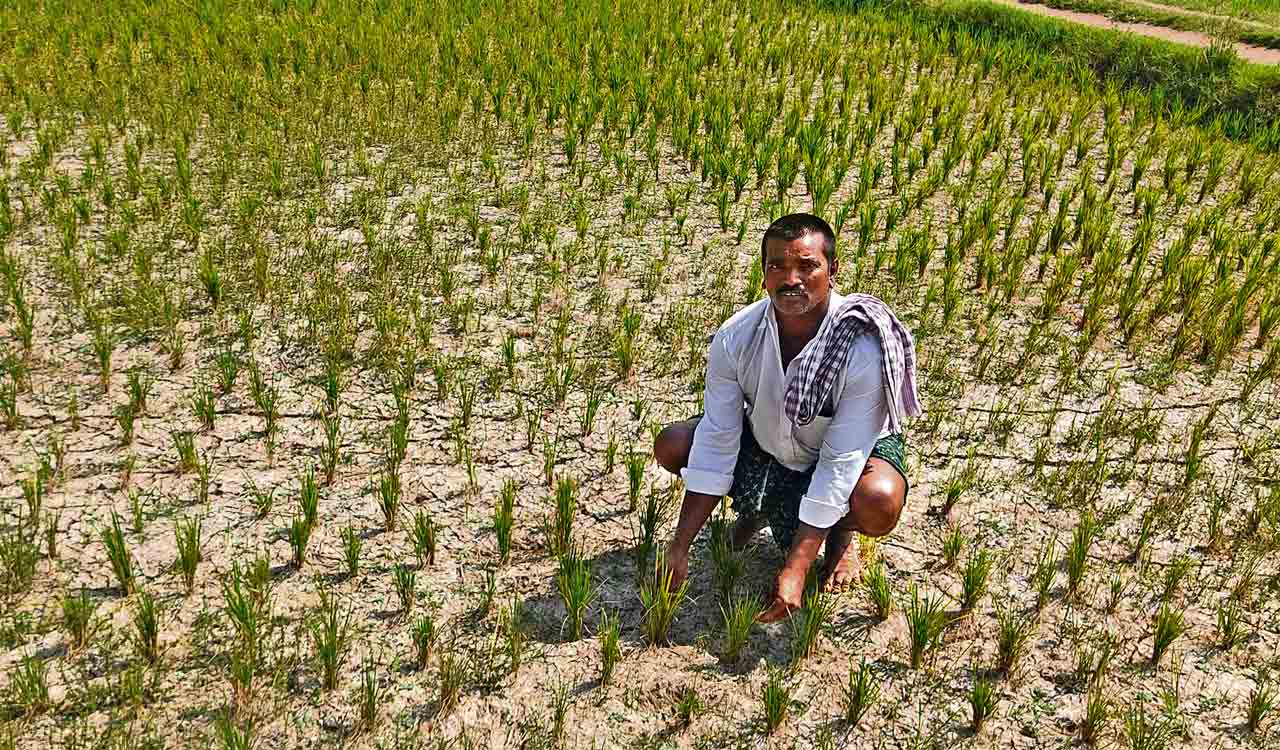
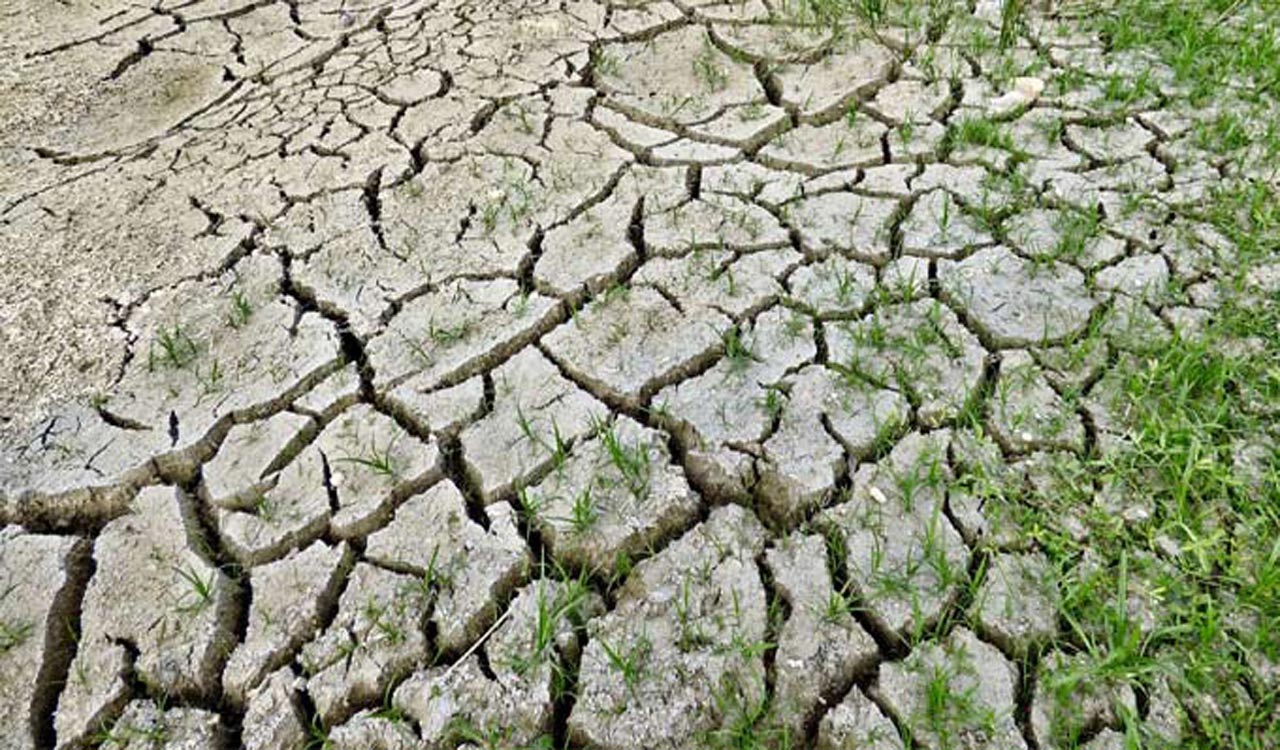
Explaining the ‘human clock’, Pisupati cited the example of farming communities in parts of India, where drought and flooding have already forced families to relocate and change occupations, reshaping their lives in ways that decades of recovery won’t undo.
“The loss of biodiversity is where we face the greatest risk of permanent damage. We may be able to name a few million plants, animals, microbes, fish, vertebrates and invertebrates, but many millions more remain unidentified, and even among the known ones, we are losing them at an alarming rate,” he said.
He further highlighted that while the problem persists across the world, it hits hardest in countries that bear little historical responsibility for climate change yet find themselves at the receiving end of its impacts.
Multiple chapters in the UNEP report raise considerations of equity and justice, emphasising concepts such as fair technology transfer, safeguards against disproportionate impacts, carbon debt obligations, and Common But Differentiated Responsibilities and Respective Capabilities (CBDR-RC) — concepts developing nations have long raised on global platforms while saying they rarely translate into action on the ground.
The CBDR-RC principle stresses that each country is responsible for addressing climate change and that developed countries should bear primary responsibility, as they account for most of the historical and current greenhouse gas (GHG) emissions.
Asked how these concepts can translate into substantive progress rather than years of prolonged negotiation, Pisupati stressed that nations with resources and a history of major emissions must shoulder more responsibility than countries with low per-capita emissions, which contribute little but suffer most, lacking the capacity and resources to cope.
“This is precisely why CBDR has become so important in negotiations, and rightly so, for many countries including India, whose negotiating positions are consistently anchored in it,” the UNEP India head told PTI.
Speaking about the concept of ‘carbon debt’, he said countries with resources and historical responsibility for decades of cumulative emissions are expected to help bear the costs of mitigation, adaptation, and loss and damage.
“Carbon debt is an element that deserves more attention. Countries that have historically emitted and contributed to today’s changes, impacts that have built up cumulatively over decades, bear a responsibility to help address some of these problems,” he said.
“This is why, in discussions on equity, just transition, technology transfer, and financing for mitigation, adaptation, and loss and damage, the expectation is that countries with the technology, the historical responsibility, and the resources should help bear the costs,” he added.
According to Pisupati, the urgency for countries to act on these commitments in negotiation and decision-making is now far greater than before “since commitments carry no value unless translated into action on the ground that lets disproportionately affected countries survive.”
“This is no longer just an environmental issue. It is a survival issue, a development issue, a health issue, a social and economic issue,” he said, adding that commitments to address it continue at the global level, but the real test lies in converting them into action on the ground — an arena where countries like India, in his view, are expected to lead and support other nations through discussions and negotiations

Related News