Supreme Court flags ‘huge revenue loss’ after rats damage cash
The Supreme Court expressed surprise after seized currency notes in a Bihar corruption case were destroyed by rodents, calling it a huge revenue loss and questioning storage conditions while granting bail to the accused woman in the case
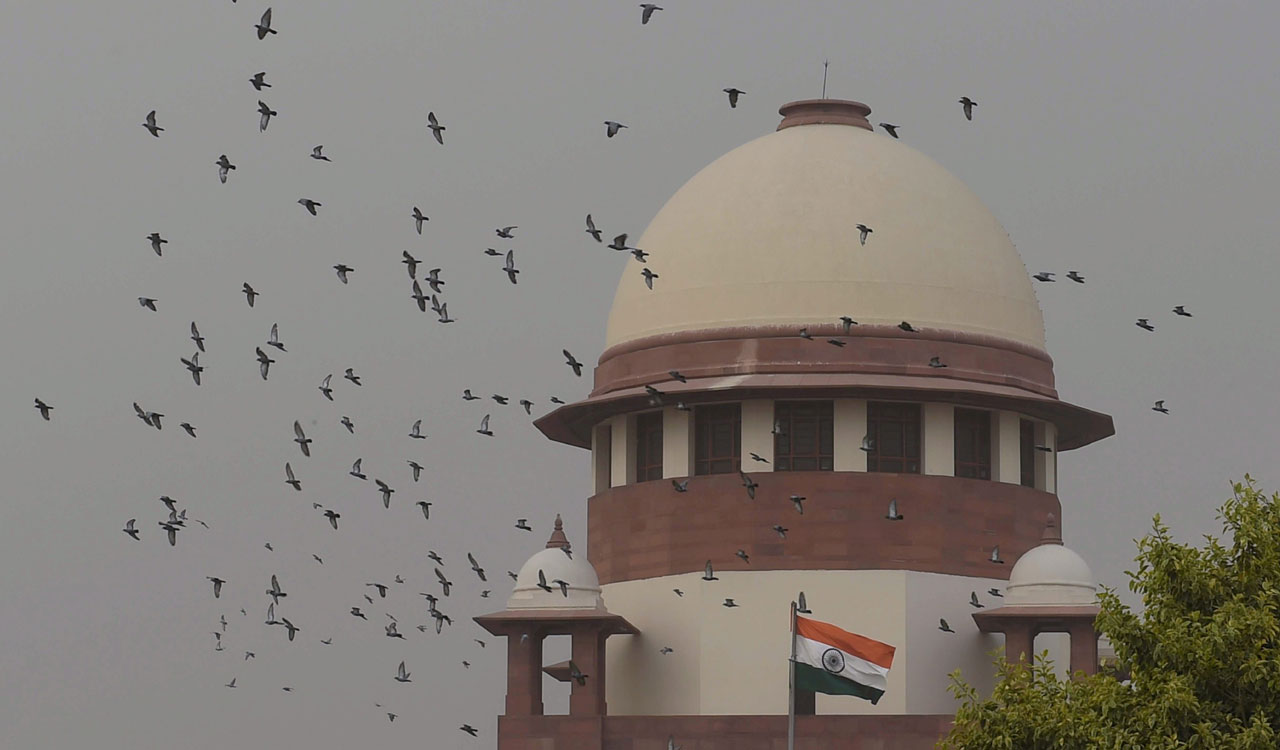


New Delhi: The Supreme Court has expressed surprise that currency notes, which were allegedly seized from the possession of an accused in a corruption case lodged in Bihar, were destroyed by rodents.
A bench of Justices J B Pardiwala and K V Viswanathan, which wondered how many such currency notes get destroyed as they are not kept in a safe place, termed it a “huge revenue loss” for the state.
The issue cropped up before the bench while hearing a plea filed by a woman who was convicted and sentenced to four years’ imprisonment in a corruption case.
It was alleged that the woman, who was serving as a child development programme officer at that time in 2014, had demanded and accepted a Rs 10,000 bribe from the complainant.
The top court, which had earlier exempted her from surrendering till further order, granted her bail and suspended the sentence given by the Patna High Court.
“We have also taken notice of something which we should not ignore,” the bench said while referring to a paragraph from the high court’s February last year verdict, which had recorded that the seized currency notes were destroyed by rats and rodents due to the improper condition of ‘Malkhana’.
In its April 24 order, the top court said, “We are taken by surprise that the currency notes got destroyed by rodents. We wonder how many such currency notes recovered in this type of offence get destroyed, as they are not kept in a safe place. It is a huge revenue loss for the state.” It said the explanation offered for the destruction of currency notes also does not inspire any confidence.
The bench said it would look into this issue when the main matter is taken up for hearing.
The top court was hearing a plea filed by the woman challenging the high court verdict, which convicted her in the case. The bench noted that a trial court had acquitted the petitioner of all charges, following which an appeal was filed before the high court.

Related News
-

Supreme Court contempt plea targets Delhi Police chief over Metro restrictions
-
Supreme Court Bar bodies seek details, safety of lawyers detained during protest
-
Supreme Court orders probe into illegal factories along Rajasthan rivers
-
Andhra CM Naidu vows 34 per-cent of NDA local poll tickets for BC candidates