Teeth might preserve antibodies hundreds of years old: Study
In the new paper, published by iScience, antibodies extracted from 800 year-old medieval human teeth were found to be stable and still able to recognise viral proteins


Washington DC: According to a new study, teeth may be capable of storing antibodies for hundreds of years, allowing scientists to investigate the history of infectious human diseases.
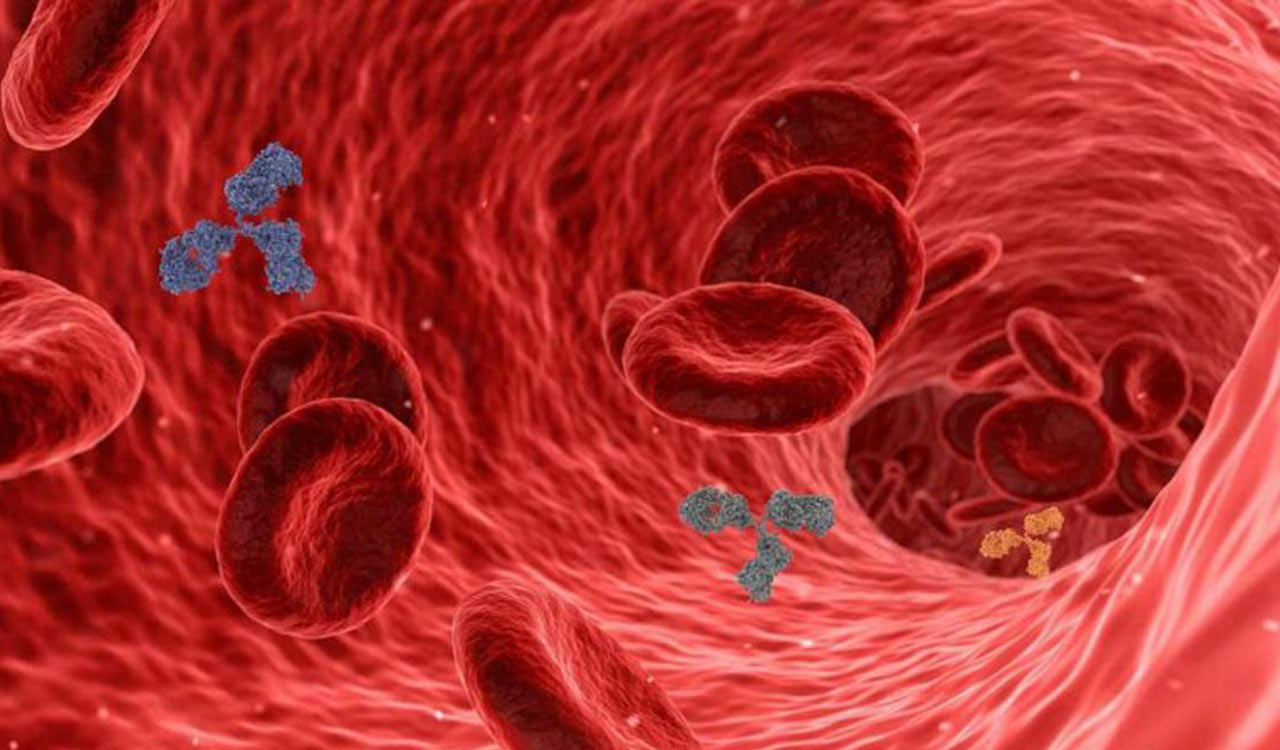
Antibodies are proteins produced by the immune system as a natural response to infectious organisms like viruses and bacteria. Their job is to recognise those microbes so that the immune system can attack them and clear them from the body.
Also Read
In the new paper, published by iScience, antibodies extracted from 800 year-old medieval human teeth were found to be stable and still able to recognise viral proteins.
The study, led by Professor Robert Layfield and research technician Barry Shaw from the School of Life Sciences, University of Nottingham, in collaboration with Professor Anisur Rahman and Dr Thomas McDonnell from the Department of Medicine at University College London, expands the study of ancient proteins, referred to as palaeoproteomics, potentially allowing experts to analyse how human antibody responses developed through history.
Palaeoproteomics can reach back into deep time with ancient proteins already successfully recovered and identified after preservation in 1.7-million year old dental enamel from an ancient rhinoceros and an ostrich eggshell more than 6.5 million years old. In this new study, the authors also found preliminary evidence that, like the medieval human teeth, mammoth bones nearly 40,000 years old appear to preserve stable antibodies.
This science has previously been applied by the Nottingham team to the analysis of other disease-associated proteins recovered from archaeological human bones and teeth to allow identification of an unusual ancient form of the skeletal disorder Pagets disease.
Professor Layfield explained: In discovery science we come to expect the unexpected, but the realisation that intact, functional antibodies can be purified from skeletal remains in the archaeological record was quite astonishing. Some ancient proteins were known to be stable, but these tend to be structural proteins such as collagens and keratins, that are pretty inert. Professor Rahman added: Antibodies are different because we are able to test whether they can still do their job of recognising viruses or bacteria even after hundreds of years. In this case we found that antibodies from medieval teeth were able to recognise Epstein-Barr virus, which causes glandular fever.
In future it could be possible to look at how antibodies from ancient specimens react to diseases present during those periods, such as the Black Death.

Related News