The British editor who got deported for exposing Jallianwala Bagh massacre
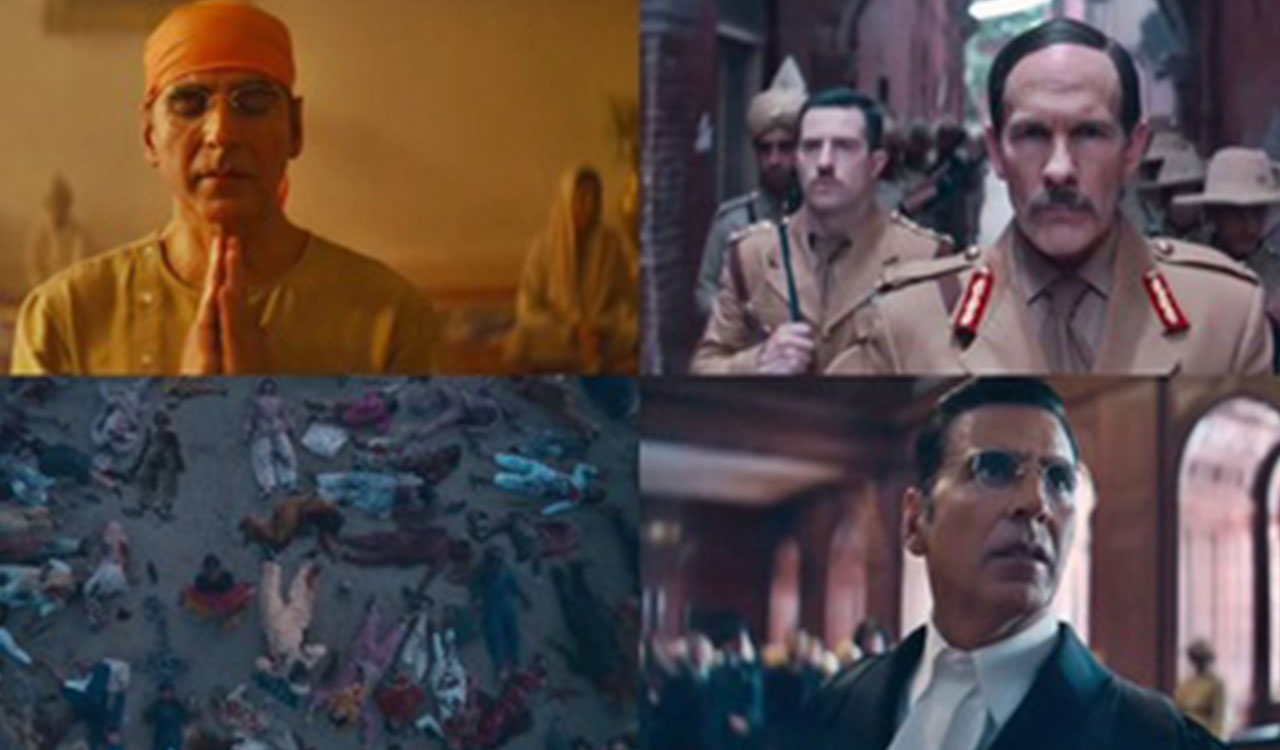
Benjamin Guy Horniman was one plucky British journalist who scorned the Empire’s Raj over India and with great courage exposed the Jallianwala Bagh massacre (April 13, 1919) of several hundred people ordered by a trigger-happy Acting Brigadier-General Reginald E. H. Dyer. One of many sensitive Britishers who opposed Great Britain’s imperialism, particularly its oppressive rule […]
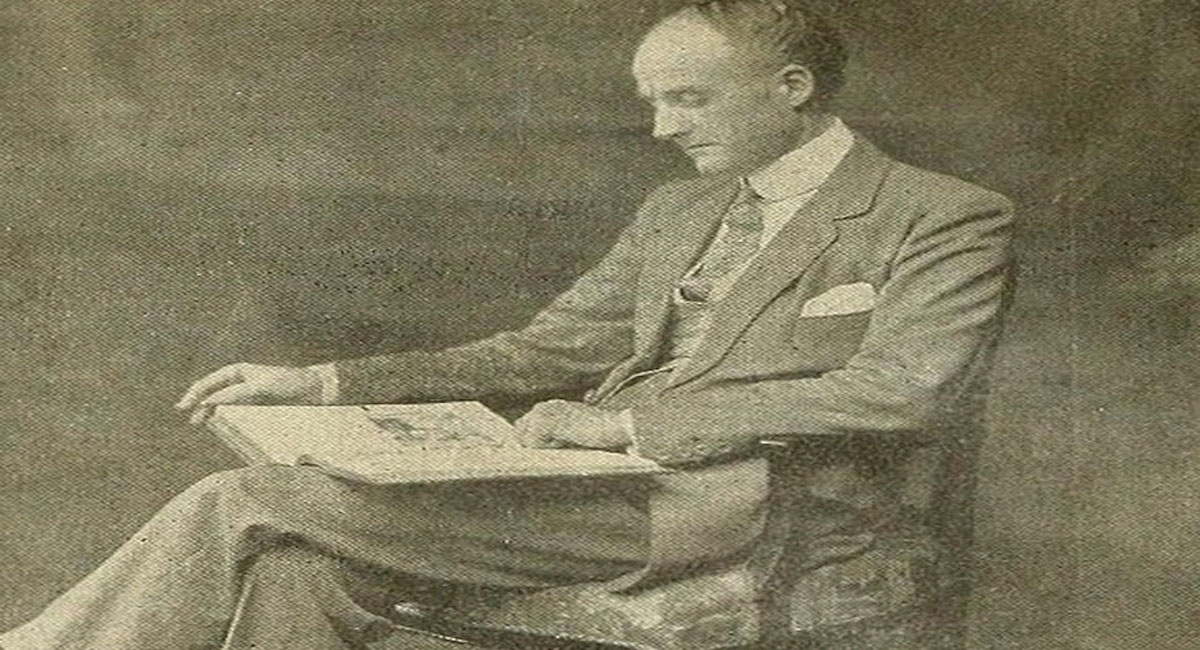


Benjamin Guy Horniman was one plucky British journalist who scorned the Empire’s Raj over India and with great courage exposed the Jallianwala Bagh massacre (April 13, 1919) of several hundred people ordered by a trigger-happy Acting Brigadier-General Reginald E. H. Dyer.
One of many sensitive Britishers who opposed Great Britain’s imperialism, particularly its oppressive rule over India, Horniman deployed his journalistic skills to garner public opinion for Freedom both in India and his early media career in his motherland.
Born on July 17, 1873 to a Royal Navy officer William and his wife Sarah, Horniman started his media career aged 21 with the Portsmouth Evening Mail, and after stints with other English newspapers for 12 years, he joined The Statesman newspaper in Calcutta (Kolkata) as its New Editor in 1906.
In 1913, he got an important career break from the legendary Sir Pherozeshah Mehta, an Indian National Congress leader, to join his newspaper ‘The Bombay Chronicle’ where he could freely spew his anti-colonial venom.
As Sir Pherozeshah Mehta was a prominent politician and President of INC, Horniman’s stewardship of his newspaper not only gave a fillip to the Independence struggle but also to independent journalism which was pursued by barely a handful of newspapers of that dark era.
A couple of years later, Horniman laid what was the foundation of ‘unionism in the Fourth Estate’ through the Press Association of India – intended to protect the interest of working journalists and the press, safeguarding them from arbitrary laws – and freedom from the other pillars democracy like the executive, the legislature and judiciary, which led to the definition of Media as the ‘Fourth Pillar’.
Fiercely professing media rights, his historic moment came when he flouted the press censorship to sneak out details and photos to ‘break’ the historical big story (around April 20, 1919) of the infamous Jallianwala Bagh slaughter to the world though the Britishers were blissfully unaware of it for several days.
As Britain’s masses and the Opposition revolted over the gory revelations on their breakfast tables, the British rulers in India promptly clamped down on The Bombay Chronicle and shut it down temporarily, nabbed a correspondent Goverdhan Das and dumped him in jail for three years, besides arresting Horniman and deporting him to London that year (1919).
Out of India but not down, he continued to wield his sword-like pen furiously, crusading against the Raj from there, writing reports, articles and books before managing to return to India in January 1926, to re-join The Bombay Chronicle.
Three years later in 1929, he quit his job, started his own newspapers, ‘Indian National Herald’ and ‘Weekly Herald’, and then the eveninger ‘Bombay Sentinel’ in 1933 which he edited for 12 years.
At that time, he came in touch with an aggressive young Parsi journo Russi Karanjia and along with the daring crime reporter Dinkar V. Nadkarni and Zahir Babar Kureishi, the quartet launched the ‘Blitz’ newspaper, with Nadir Boman-Behram as the business head.
Later, ‘Blitz’ was credited with introducing what was loosely termed as the ‘investigative journalism’ brand to India, though many – mostly those who were hit by it badly – sniggered at it as ‘sensationalism’ or ‘yellow journalism’.
In 1919, through The Bombay Chronicle, Horniman campaigned for a ‘satyagraha’ against the dreaded Rowlatt Act which advocated severe restrictions on political trials intended to ‘silence’ opponents.
He also served as Vice-President of the Home Rule League founded in September 1916 by Dr Annie Besant, and was the Vice-President of a nationwide ‘Satyagraha Sabha’ launched by Mahatma Gandhi, addressing public meetings, protests, etc., which finally saw the Rowlatt Act going into cold-storage.
As the British Empire’s hold slipped on its ‘Jewel in The Crown’, Horniman continued to support, mentor through his writings, speeches and work with political parties, the Indian Independence Movement for years.
He lived to see that day when the Union Jack was lowered and the Indian Tricolour triumphed and towered over the country – overcoming all odds – and ending over 25 decades of British Rule.
Nine months after the Father of The Nation Mahatma Gandhi fell to an assassin’s bullets in Delhi on January 30, 1948, Horniman passed away peacefully on October 16, 1948 in Bombay, marking the end of an era in independent journalism, unionism in media coupled with political activism.
The Indian and British media paid rich tributes to his media and political legacy on his passing, and later the grateful city fathers of Bombay renamed the famous Elphinstone Garden as ‘Horniman Garden’ – in a prime place in today’s south Mumbai – where it remains an icon radiating his glory.

Related News