
The humble earthen ‘matka’ too needs care to keep water safe
As summer temperatures rise, households are turning to earthen pots for natural cooling. Experts advise proper soaking, cleaning and regular water replacement to prevent contamination and ensure safe drinking water while using traditional matkas
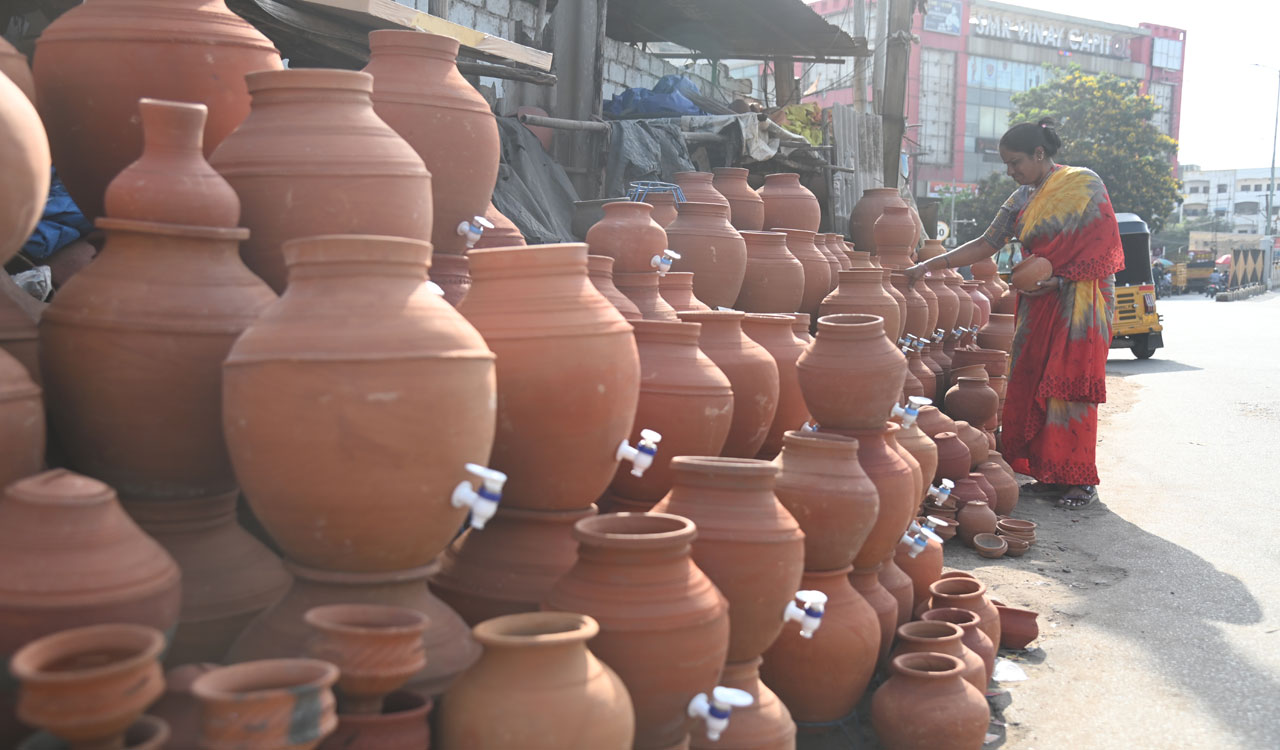


Hyderabad: As temperatures rise, many households are returning to the age-old practice of storing drinking water in earthen pots, popularly known as ‘matkas’. Known for their natural cooling properties and eco-friendliness, these clay vessels are once again finding a place in modern kitchens. However, without proper care and maintenance, matka water can become a source of contamination rather than comfort.
The science behind the matka’s cooling effect lies in its porous structure. Tiny pores in the clay allow water to evaporate slowly, reducing the temperature of the remaining water inside. While this natural process provides relief from the heat, the same porosity also makes the pot vulnerable to absorbing impurities if not handled correctly.
Preparing a new matka:
It is advised that newly purchased earthen pots should never be used immediately. Instead, they should be soaked in water for at least 24 hours. This process helps seal the pores, strengthens the structure, and prevents leakage. Skipping this step may not only reduce the pot’s lifespan but also affect water quality.
Cleaning practices:
Before first use, the pot must be thoroughly scrubbed and dried under direct sunlight. Sun drying plays a vital role in eliminating microbes that may be present due to manufacturing or storage conditions.
Regular cleaning is equally important. Rinsing the matka daily with hot water helps maintain hygiene and prevents the build-up of harmful microorganisms.
Avoid stagnation:
One of the most common mistakes is allowing water to remain in the pot for long periods. Stagnant water stored for two to four days can encourage the growth of bacteria, algae and even insect larvae. To ensure safety, it is recommended to refill the matka frequently.
What not to use:
Due to the absorbent nature of clay, soaps or chemical detergents should not be used. These substances can seep into the pot’s surface and later mix with drinking water. Instead, natural cleaning agents such as salt or baking soda are considered safe and effective for scrubbing.
Deep cleaning:
For sustained hygiene, a more thorough cleaning routine should be followed periodically. Rinsing the pot with diluted vinegar water once a month can help eliminate stubborn bacteria and remove unpleasant odours.
While the matka continues to be a sustainable and cost-effective alternative to modern refrigeration, with simple precautions, households can enjoy the benefits of naturally cooled water without compromising on safety.

