Tiger count in Amrabad Reserve rises to 42, more females boost growth
The Amrabad Tiger Reserve in Telangana has recorded a rise in its tiger population, with the latest census pegging the numbers at 42, up from 36 in the previous estimation.
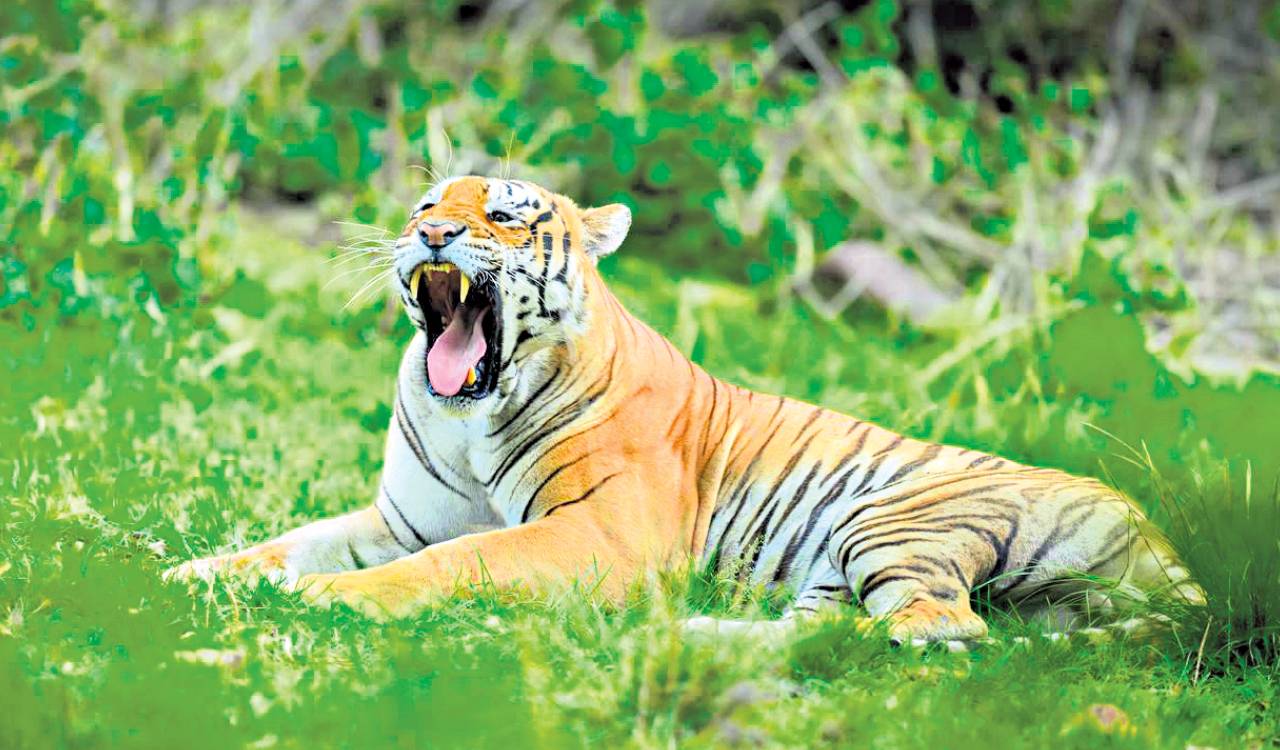


Hyderabad: The stripes are multiplying in the Amrabad Tiger Reserve (ATR) in the State. The latest census has pegged the reserve’s tiger population at 42, up from 36 since the last estimation.
One of the major successes of the reserve is that there are more females than males, which is helping increase the numbers. As per the preliminary analysis of the Forest department, the 42 tiger count includes 18 females, 14 males, two sub-adults and eight cubs. The presence of cubs and sub-adults is indicative of successful breeding and a healthy, reproducing tiger population in the reserve.
Further, the Forest department officials’ recently documented three litters with a total of eight tiger cubs during routine monitoring.
“We have improved tiger numbers from 36 to 42. Interestingly, there are more females than male tigers in the reserve, which is a good sign.
Most of them are in their prime age. We have observed that cubs are moving with their mother,” Amrabad Tiger Reserve Field Director Dr. Sunil S Hiremath told ‘Telangana Today‘.
The ATR’s tiger census was carried out over eight months from November 2025 to June 2026 as part of the All-India Tiger Estimation (AITE) 2026 exercise.
The survey, which had been conducted under the supervision of Dr. Sunil Hiremath and Nagarkurnool DFO Revanth Chandra, covered the entire reserve area of 2,611 square km, making it one of the largest wildlife monitoring efforts undertaken in the region.
For systematic coverage, the reserve was divided into 2 sq. km grids and 2,240 camera traps were deployed at 1,120 strategically selected locations. The survey was implemented in four blocks, with camera traps operating in each block for a period of 30 days to ensure comprehensive coverage and reliable photographic capture of wildlife.
The camera-trapping survey formed a crucial component of the tiger estimation, generating scientific data on tiger populations, their distribution, prey abundance, and habitat conditions.
Among the reasons for an increasing tiger population in the ATR is attributed to enhanced availability of prey base, better habitat management and successful breeding besides anti-poaching measures by the Forest department. Availability of water throughout the year also played its part. Unlike in the past when water was transported via tankers, 40 solar powered bore wells have been set up at various locations in the reserve to cater to animals’ water requirement.
According to the Forest department officials, the ATR has potential to further improve the tiger numbers if human habitations are removed from the core area.
“There are 26 habitations in the core region, which need to be relocated. In addition, there is a need to remove invasive weed and grow more grassland for tigers to thrive in the ATR. So far, we removed weed from 5000 hectares and more needs to be done,” said a senior Forest department official.

Related News
-

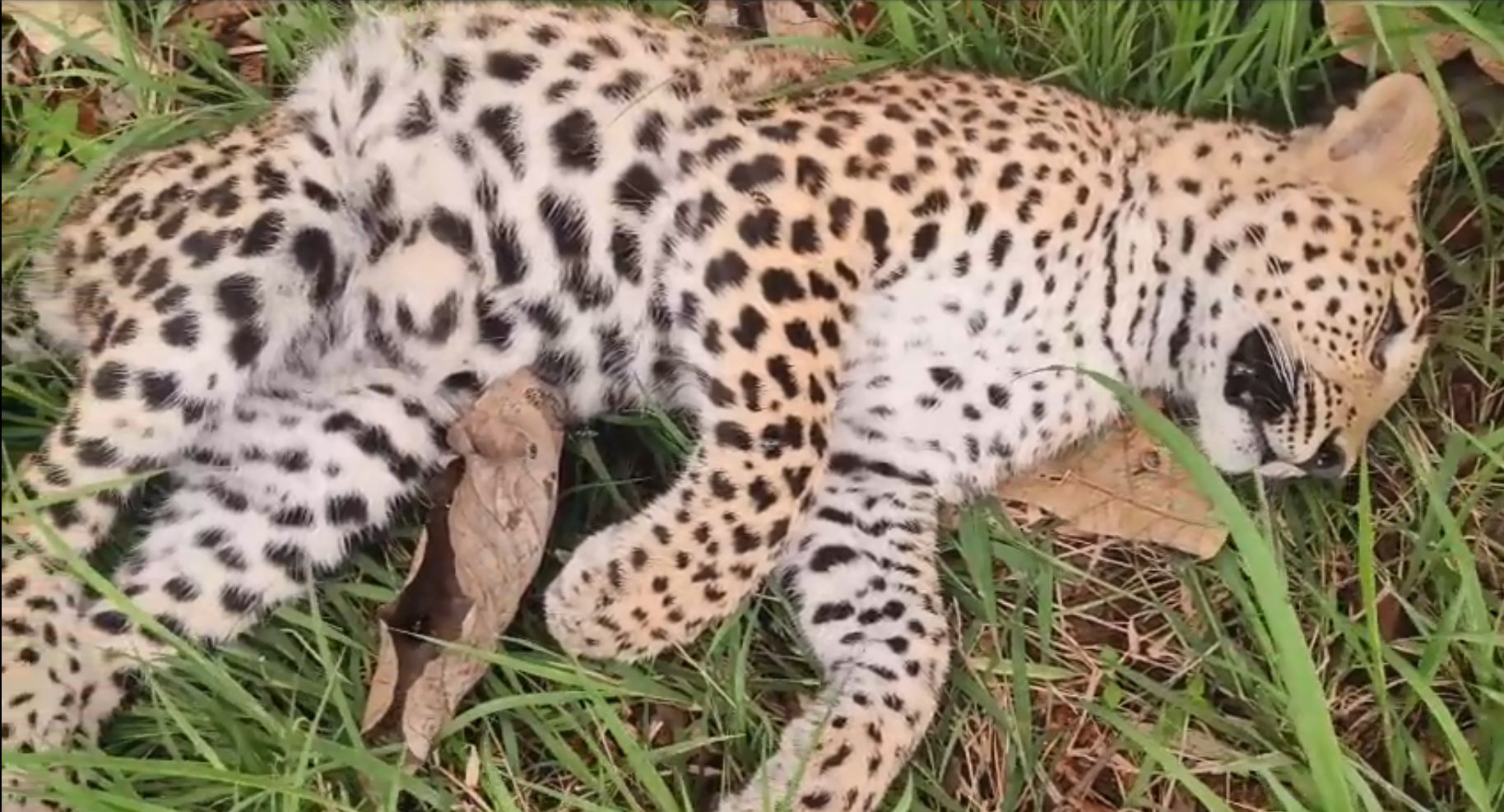
Leopard cub found dead on Srisailam road in Amrabad Tiger Reserve limits
-
Kawal Tiger Reserve can support 35 tigers but lacks breeding population: Study
-
Rewind: Chenchu relocation from Amrabad Tiger Reserve — Conservation effort or Tribal displacement?
-
Kawal Tiger Reserve can support 35-plus tigers, says new study