Tiger movement in Telangana: Forest department steps up safety measures
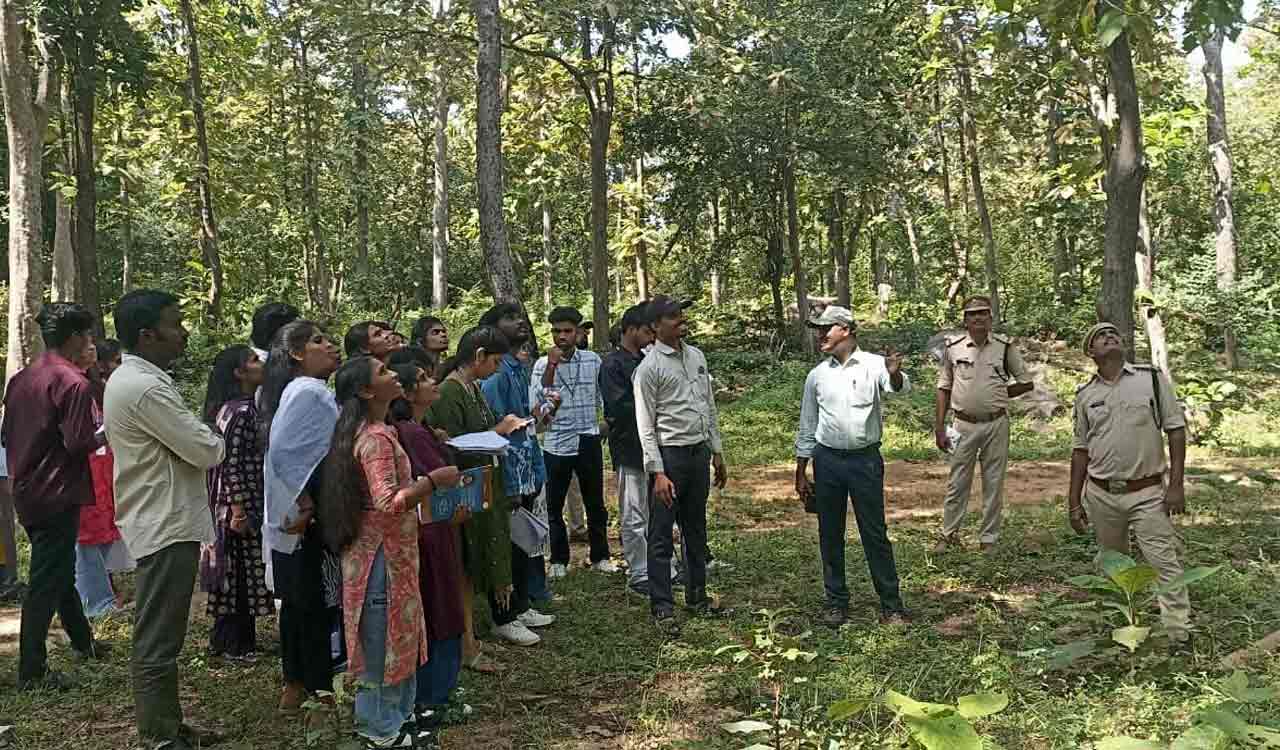
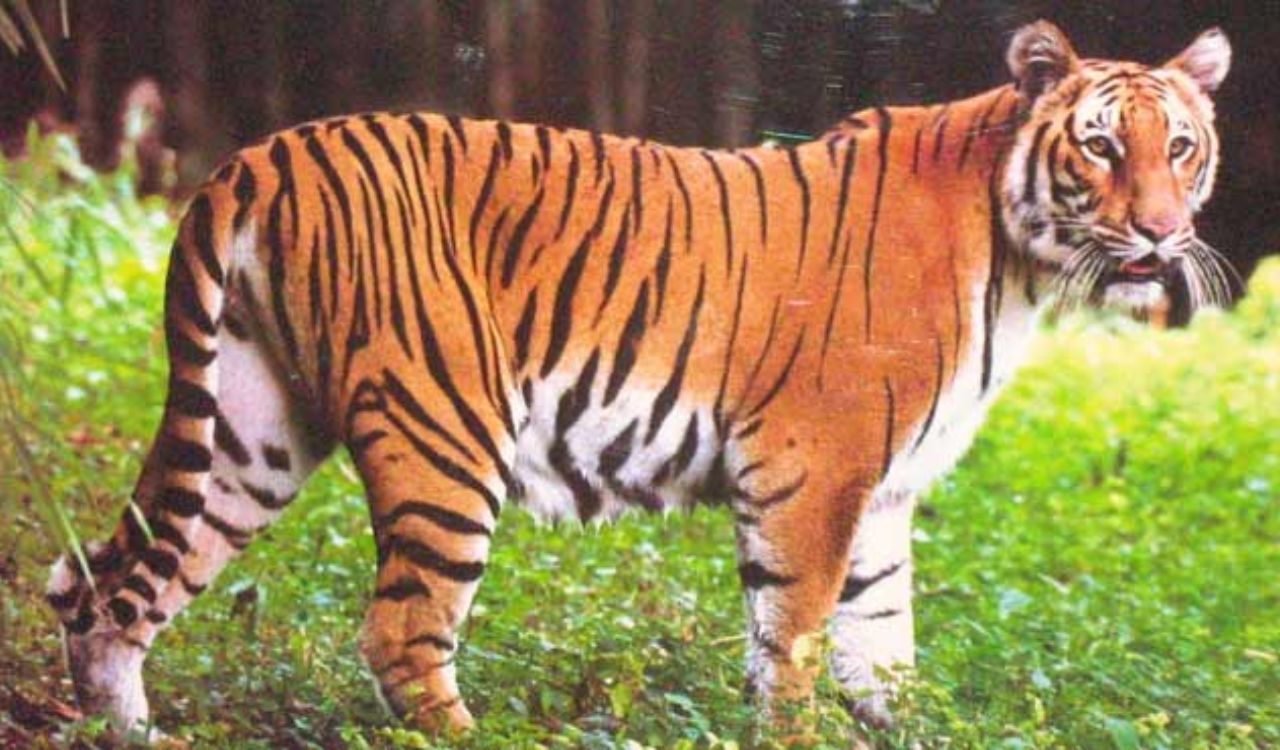
The Forest Department has intensified safety measures following reports of tiger movement in several districts. Expert committees, trap cages, trackers, thermal drones and camera traps have been deployed, while villagers have been advised to restrict movement in sensitive areas.
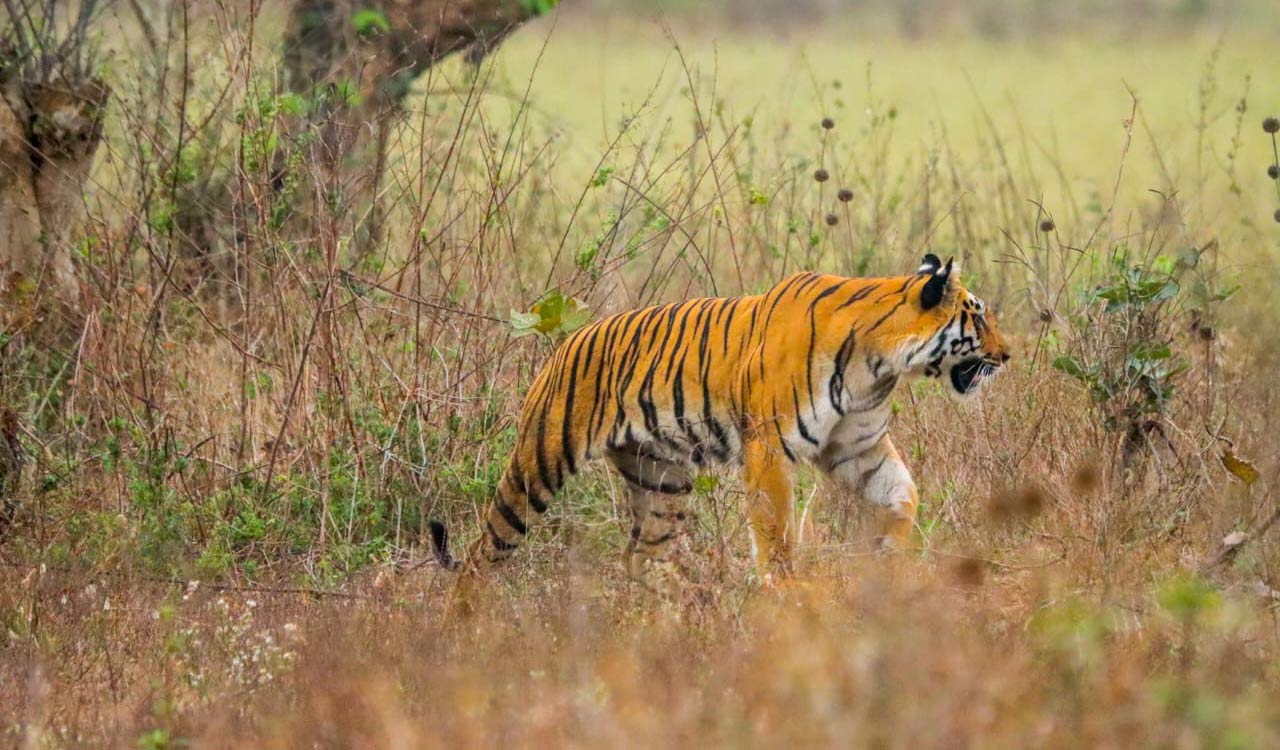


Hyderabad: Following reports of tiger movement in different districts, the Forest Department has intensified measures, including the constitution of expert committees and the deployment of trap cages and tiger trackers, to ensure the safety of the animal and prevent any untoward incidents.
Regional committees have already been constituted, involving forest officials, veterinary officers, non-governmental organisations, wildlife experts and Panchayat Raj personnel.
In addition, a State-level technical group involving the Wildlife Institute of India, Dehradun, and the National Tiger Conservation Authority is set to be constituted within a couple of days to provide guidance on tiger straying and other wildlife-related issues, department officials said.
A wildlife expert and a veterinarian from the Tadoba Andhari Tiger Reserve in Maharashtra visited the areas where tiger movement was reported. Officials said tiger trap cages from the Nehru Zoological Park, tiger trackers from the Kawal Tiger Reserve and the Amrabad Tiger Reserve, along with veterinary teams from zoological parks and tiger reserves equipped with tranquillisers, were kept in readiness to be deployed if required.
“Using thermal drones, real-time monitoring is being carried out. In addition, real-time camera traps are being used to upload images directly to the app for effective monitoring of tiger movement during the night,” a senior official said.
Panchayat officers have been asked to alert villagers and restrict unnecessary movement in sensitive areas. Officials said TGSPDCL authorities were also requested to check for illegal electric lines and live wires in agricultural fields to prevent electrocution and ensure the safety of the tiger, local residents and livestock.

Related News