TIMS urged to prioritise local patients before chasing medical tourism
The Telangana government’s move to carve out elite medical suites at TIMS, Sanathnagar, for foreign patients under a medical tourism initiative has drawn sharp criticism. Senior doctors and public health experts argue the plan undermines the institute’s original purpose of serving the poor and middle class.
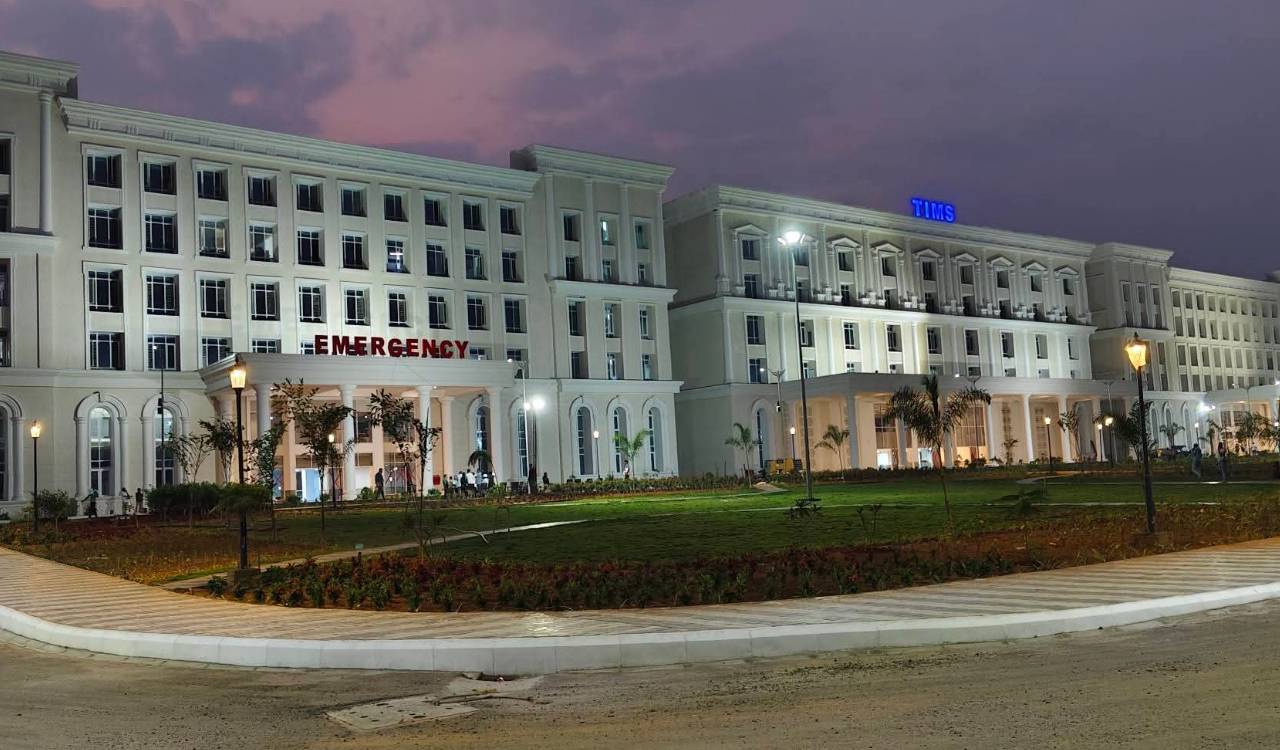


Hyderabad: At a time when the poor and the middle class in Hyderabad and districts are struggling to access quality and affordable high-end super-specialty healthcare services, the decision by the State government to carve out elite medical suites and dedicated capacities for foreign patients in the name of medical tourism at TIMS, Sanathnagar, appears to be quite jarring and misplaced.
At the height of the Covid pandemic, the Telangana Institute of Medical Sciences (TIMS) units were envisaged to provide high-end medical care for urban poor and middle-class families at an affordable cost.
There is a perennial waiting list for hospital beds in the casualty and inpatient wards at quasi-government hospitals like the Nizam’s Institute of Medical Sciences (NIMS) and all the remaining government tertiary hospitals in Hyderabad, and TIMS was supposed to be the definitive alternative for such desperate patients.
However, senior doctors in Hyderabad and public health critics argue that introducing foreign currency targets and international marketing panels, without actually addressing local needs first, fundamentally subverts the original purpose of a public health safety net.
While policymakers may defend mixed-revenue models as a way to upgrade state infrastructure, the decision to establish a medical tourism wing, at the cost of the public exchequer, is not sitting well among the general public.
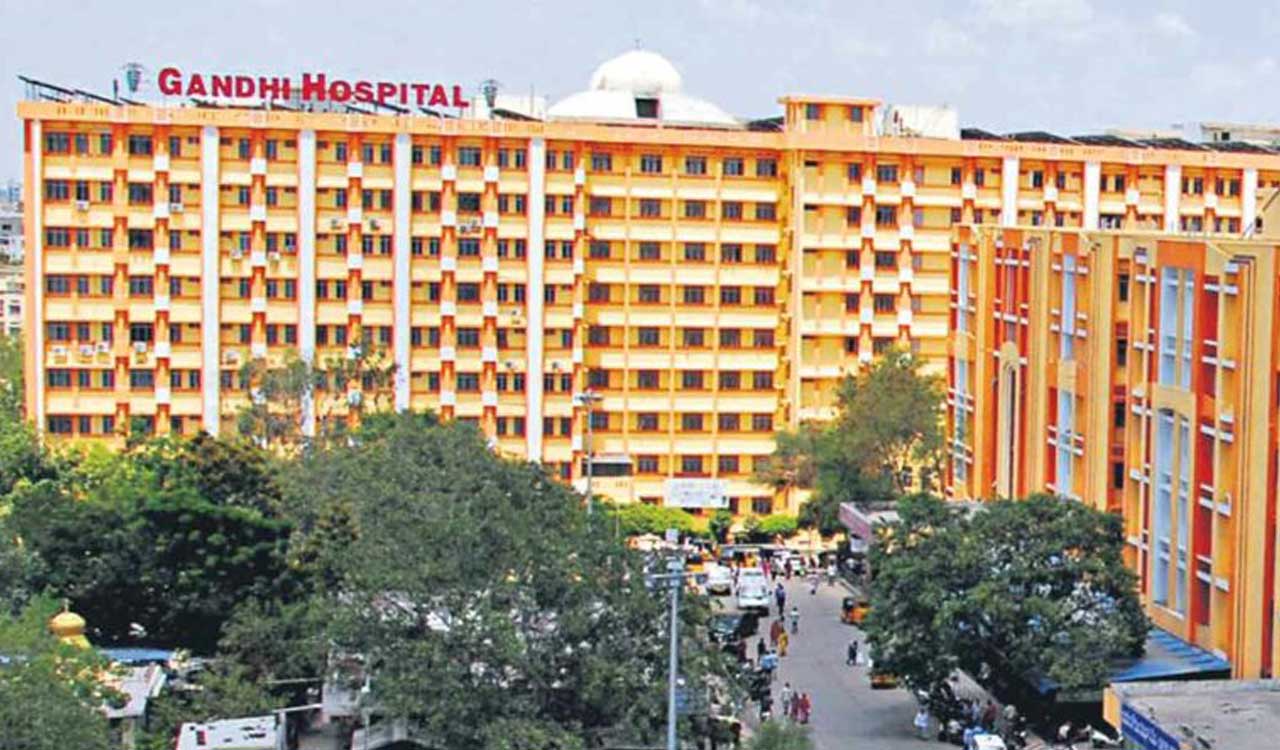
When common citizens continue to face agonizing delays, overcrowded wards, and acute shortages at Gandhi Hospital, Osmania General Hospital and NIMS, dedicating prime infrastructure and specialized suites to global medical tourists feels like a misplaced priority.
Government and quasi-Government run hospitals are meant to serve as social safety nets, not commercial ventures. Unless ordinary taxpayers are guaranteed seamless and timely access to advanced care closer home, pushing for global medical tourism risks putting corporate ambitions ahead of public welfare, many believe.
Introducing foreign currency targets and international marketing panels alters the core DNA of a hospital, which has been built through taxpayer money primarily to serve local working-class, underprivileged families and most importantly the middle-class, who can pay for subsidised medical services at outpatient and inpatient counters.
“There is an argument that revenue earned from international patients will eventually be utilized to upgrade public health facilities. The logic is bizarre and akin to putting the cart before the horse, insisting that local infrastructure must be completely robust, seamless, and universally accessible before the state looks outward to global markets,” public health specialists argue.
Senior doctors familiar with public health care facilities in both the Telugu speaking states point out that efficiency and success of government hospitals should be measured by their health outcomes, affordability, accessibility for the local patients of Telangana and not by their ability to compete with corporate hospitals in the global medical tourism market.

Related News
-

Mental health awareness week to be held at Gandhi Hospital from October 4
-
Gandhi Hospital doctors help woman with Eisenmenger syndrome deliver healthy baby
-
Gandhi Hospital doctors manage high-risk childbirth in woman with rare blood disorder
-
Youth dies under suspicious circumstances during Ganesh procession in Hyderabad