TVs may get costlier from January amid memory chip shortage, weak rupee
Television prices may rise from January as a global memory chip shortage and a weakening rupee drive up import costs. Industry players warn that sustained pressure from AI-driven chip demand could further impact prices despite recent GST cuts


New Delhi: Prices of televisions are expected to rise by 3-4 per cent from January next year on account of the rising cost of memory chips and depreciation of the rupee, which recently crossed the 90-to-a-dollar mark for the first time.
The falling rupee has put the industry in a precarious position, as the domestic value addition in an LED TV is around 30 per cent only, and major components like the open cell, semiconductor chips, and motherboard are imported.
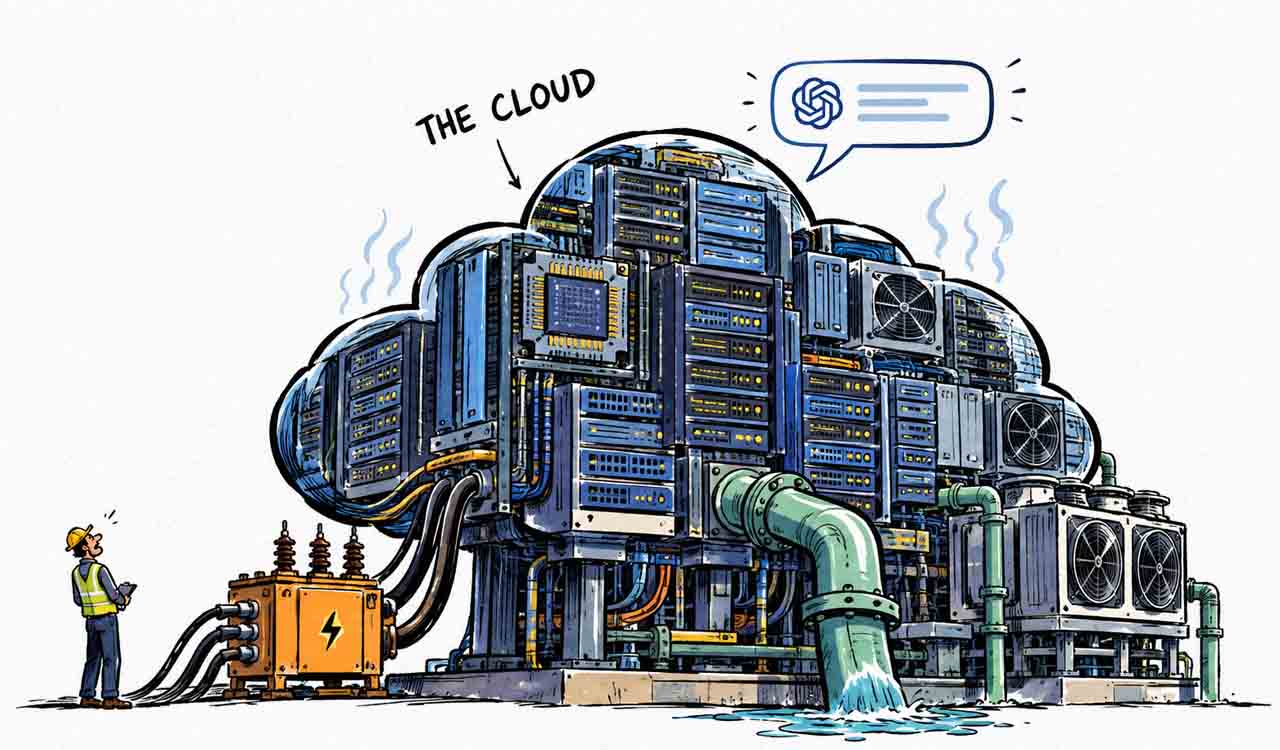
Moreover, this is coupled with the memory chip crisis, where a severe global shortage is driven by massive demand for High-Bandwidth Memory (HBM) for AI servers, causing prices for all memory types (DRAM, flash) to surge. Chipmakers are focusing on high-profit AI chips, tightening supply for legacy devices like TVs.
Haier Appliances India President NS Satish told PTI that prices of LED TV sets will increase by 3 per cent because of the shortage of memory chips and the weak rupee.
Some TV manufacturers have already communicated to their dealers about the expected hike in prices. Super Plastronics Pvt Ltd (SPPL), a TV manufacturing company having licences of several global brands including Thomson, Kodak, and Blaupunkt, said:” Memory chip prices have gone up by 500 per cent in the last three months .”
According to its CEO, Avneet Singh Marwah, there could be a 7-10 per cent price hike in televisions from January, predominantly due to the memory chip crisis and the impact of the depreciating rupee.
He also warned that if memory chip prices in the next two quarters remain the same, “then there could be a further hike in TV prices.” According to experts, this upcoming hike may mitigate the boost received in sales of smart TVs, after the rationalisation of GST. The government has slashed GST on TV screens of 32 inches and larger sizes to 18 per cent from the previous 28 per cent, reducing the price by around Rs 4,500.
Similarly, Videotex, a homegrown ODM (Original Design Manufacturer) for several brands, and which has its own brand Daiwa, said it is also facing sustained pressure due to a sharp increase in memory chip prices, with availability emerging as a critical challenge.
“We are currently facing sustained pressure due to a sharp increase in memory chip prices, with availability emerging as a critical challenge. Flash memory and DDR4 prices at the sourcing level have risen by up to 1,000 per cent, driven largely by supply being diverted to AI data centres,” said Arjun Bajaj, Director of Videotex.
This pressure is anticipated to continue until at least Q2 of the coming year, after which some stability may return depending on global memory chip supply dynamics.
“The situation is further exacerbated by the depreciation of the rupee, which has significantly increased import costs. These increases will be reflected in the market in the coming weeks as older inventory moves out,” said Bajaj.
Though Videotex is adjusting production schedules and optimising inventories to manage the impact, the “prolonged nature of this cycle makes it challenging to fully absorb the cost escalation”.
Videotex manufactures smart TVs for Reliance Group (BPL & Reconnect), Havells (Lloyd), Vijay Sales (Vise), Hyundai, Toshiba, Compaq, Daiwa and over 25+ other prominent Indian and international brands.
According to the latest report from Counterpoint Research, India’s smart TV shipments decreased 4 per cent YoY in Q2 2025. The slowdown was driven by saturation in the smaller-screen segment, limited new demand catalysts, and weaker consumer spending.
India’s TV market was valued at USD 10-12 billion in 2024 and is projected for strong growth, driven by smart TVs, increased disposable income, and demand for larger screens and OTT content.

Related News