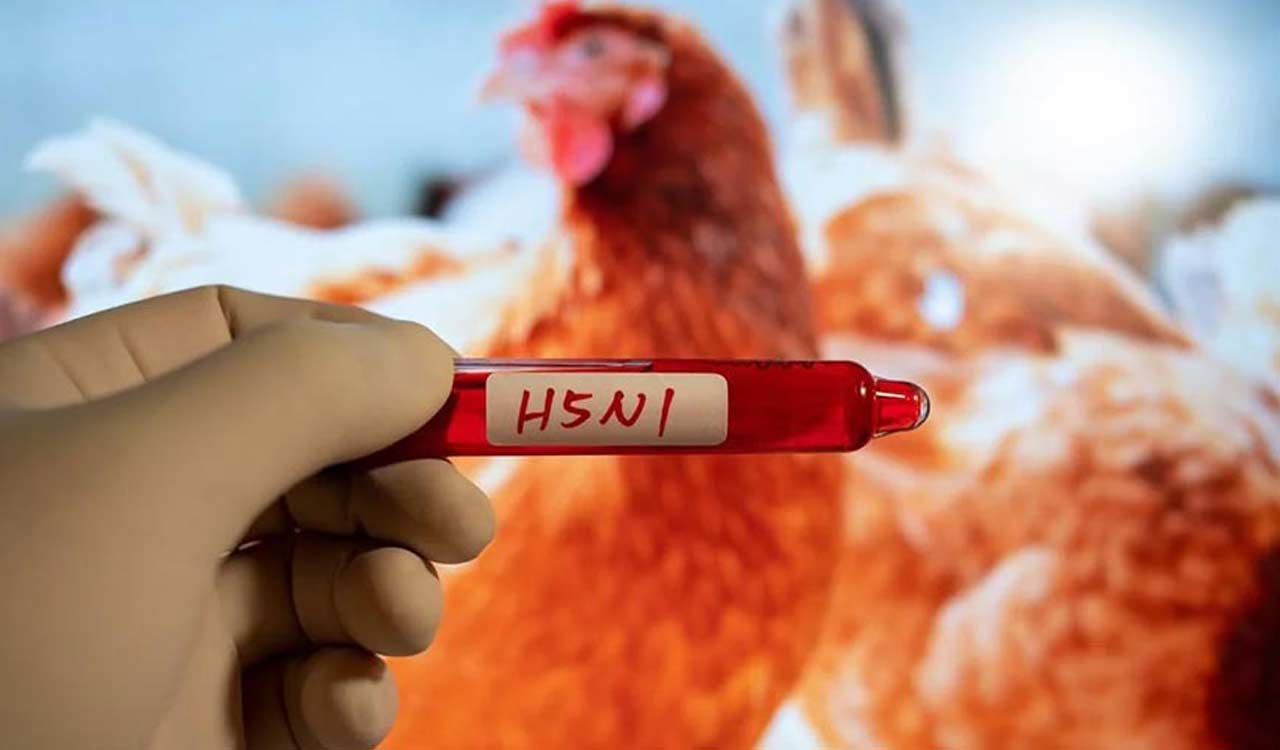
UK scientists create gene-edited chickens to fight bird flu
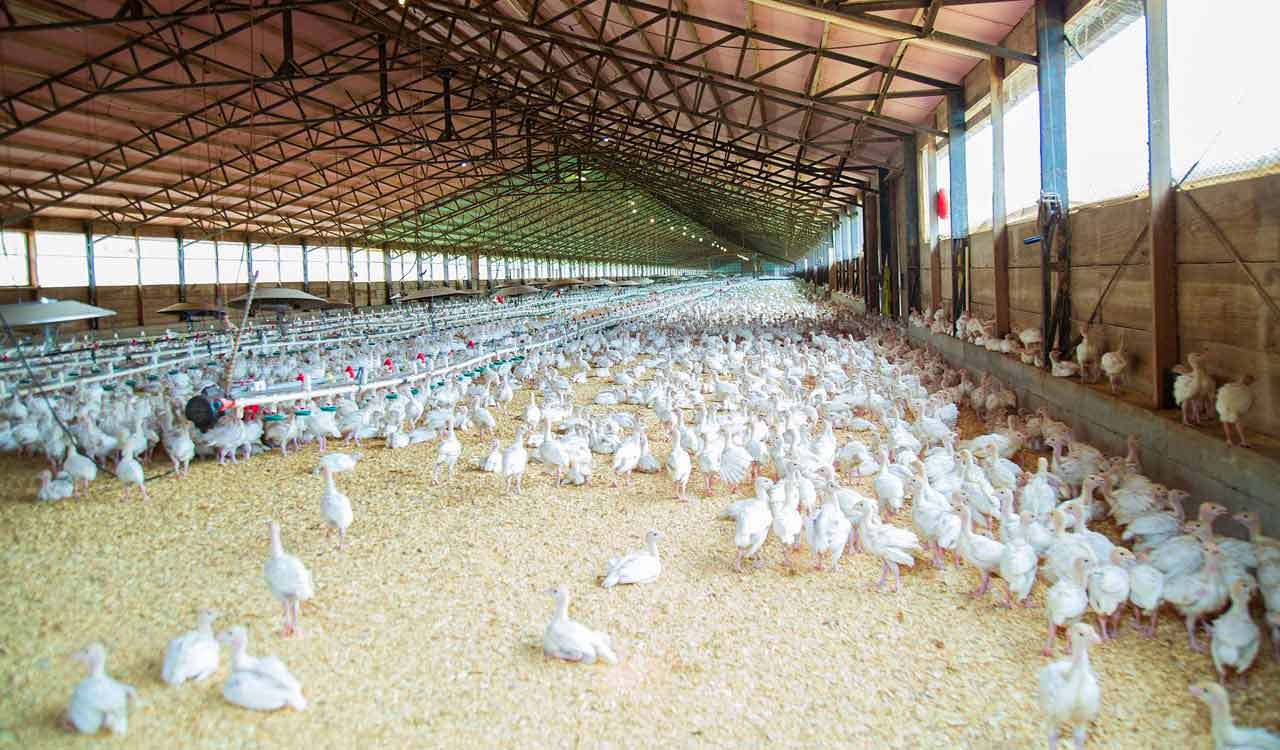
Bird flu is a major global threat, with a devastating impact in both farmed and wild bird populations.
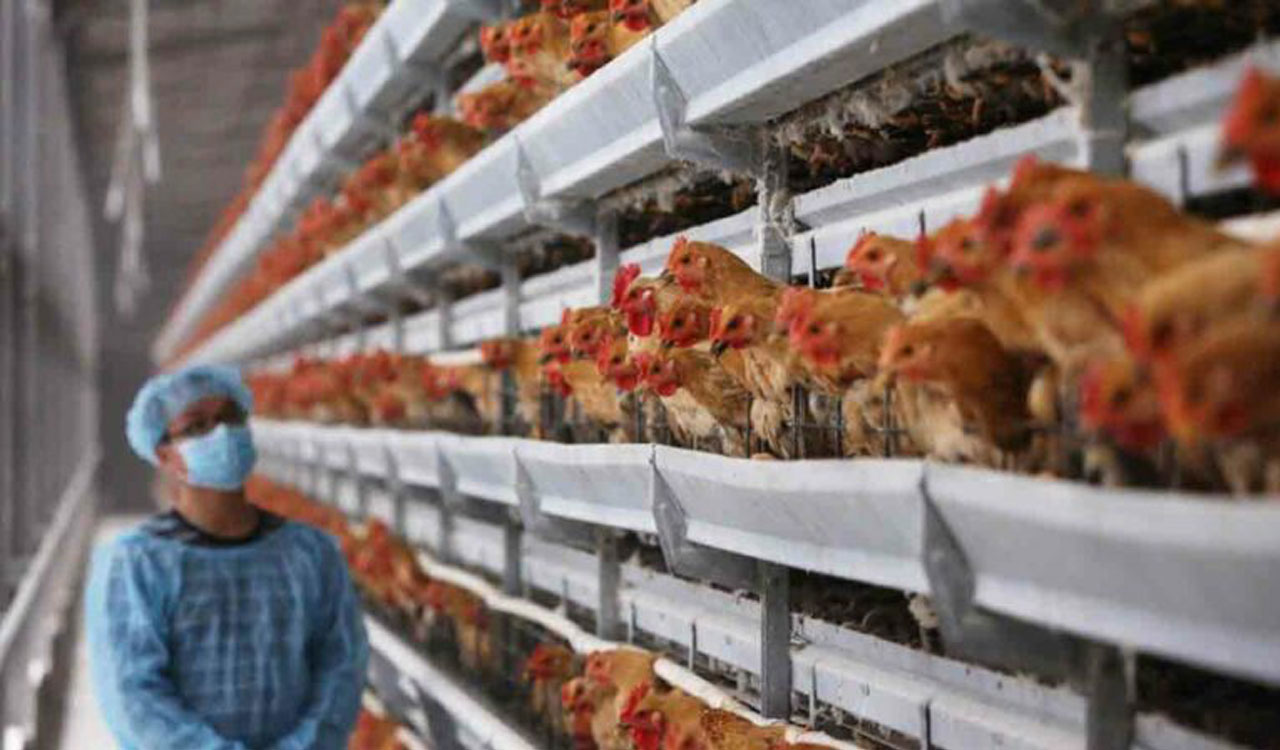


London: British scientists have successfully used gene editing techniques to limit the spread of bird flu in chickens.
Bird flu is a major global threat, with a devastating impact in both farmed and wild bird populations.
Also Read
In the study, published in the journal Nature Communications, the researchers bred chickens with small edits to a gene called ANP32A. During an infection, influenza viruses hijack the ANP32A protein to help replicate themselves.
But when the gene-edited birds were exposed to a normal dose of virus (the H9N2 strain of avian influenza), 9 out of 10 birds remained uninfected and there was no spread to other chickens.
When the birds were exposed to an artificially high dose of virus, only half of them became infected. The single gene edit also provided some protection against transmission, with a much lower amount of virus in infected gene-edited birds compared to non-edited birds.
In addition, the edit also helped to limit onward spread of the virus to just one of four non-edited chickens placed in the same incubator. There was no transmission to gene-edited birds.
“Bird flu is a great threat to bird populations. Vaccination against the virus poses a number of challenges, with significant practical and cost issues associated with vaccine deployment,” said principal investigator Professor Mike McGrew, from the University of Edinburgh’s Roslin Institute.
“Gene-editing offers a promising route towards permanent disease resistance, which could be passed down through generations, protecting poultry and reducing the risks to humans and wild birds. Our work shows that stopping the spread of avian influenza in chickens will need several simultaneous genetic changes,” he added.
However, the team, including from the Imperial College London, have been able to restrict, but not completely block, the avian influenza virus from infecting the birds by precisely altering a small section of their DNA.
The modified birds showed no signs that the change had any impact on the animals health or well-being. Analysis revealed that in the edited birds, the virus adapted to enlist the support of two related proteins to replicate — ANP32B and ANP32E.
Following lab tests, the researchers found some of the mutations may enable the virus to utilise the human version of ANP32, but replication remained low in cell cultures from the human airway.
While the findings are encouraging, further gene edits would be needed to produce chickens which cannot be infected by bird flu, the researchers said.
“Although we haven’t yet got the perfect combination of gene edits to take this approach into the field, the results have told us a lot about how influenza virus functions inside the infected cell and how to slow its replication,” said Professor Wendy Barclay, Head of the Department of Infectious Disease at Imperial.
The findings demonstrate that a single gene edit is not robust enough to produce resistant chickens. To prevent the emergence of viruses able to adapt to the single edit, the team next used a triple edit to target additional proteins (ANP32A, ANP32B and ANP32E) in lab-grown chicken cells, the team said.
In cell cultures in the lab, growth of the virus was successfully blocked in cells with edits to all three genes. In future, researchers hope to develop chickens with this triple edit, but no birds have been produced at this stage.

Related News