WB govt withdraws SC plea against HC verdict quashing OBC status for 77 castes
The West Bengal government and the State Backward Classes Commission withdrew their Supreme Court appeals against the Calcutta High Court verdict quashing OBC status for 77 castes, while the apex court allowed other aggrieved parties to continue challenging the judgment
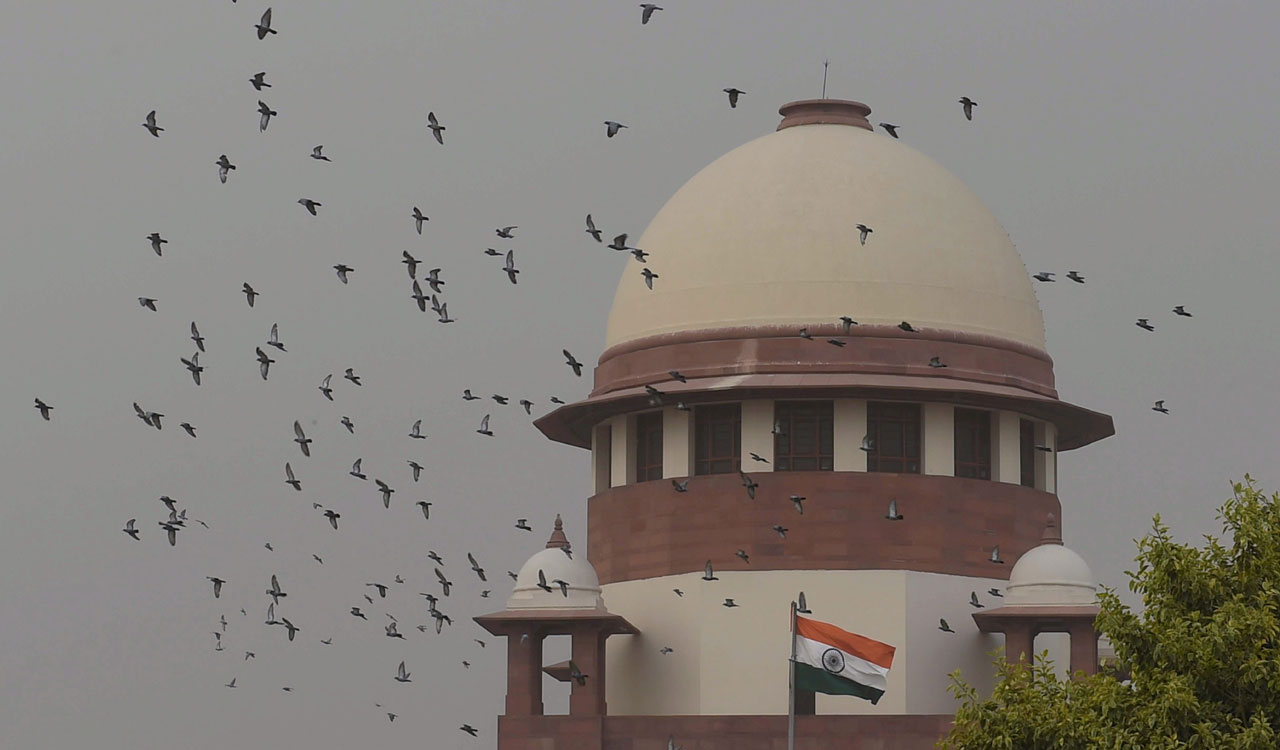


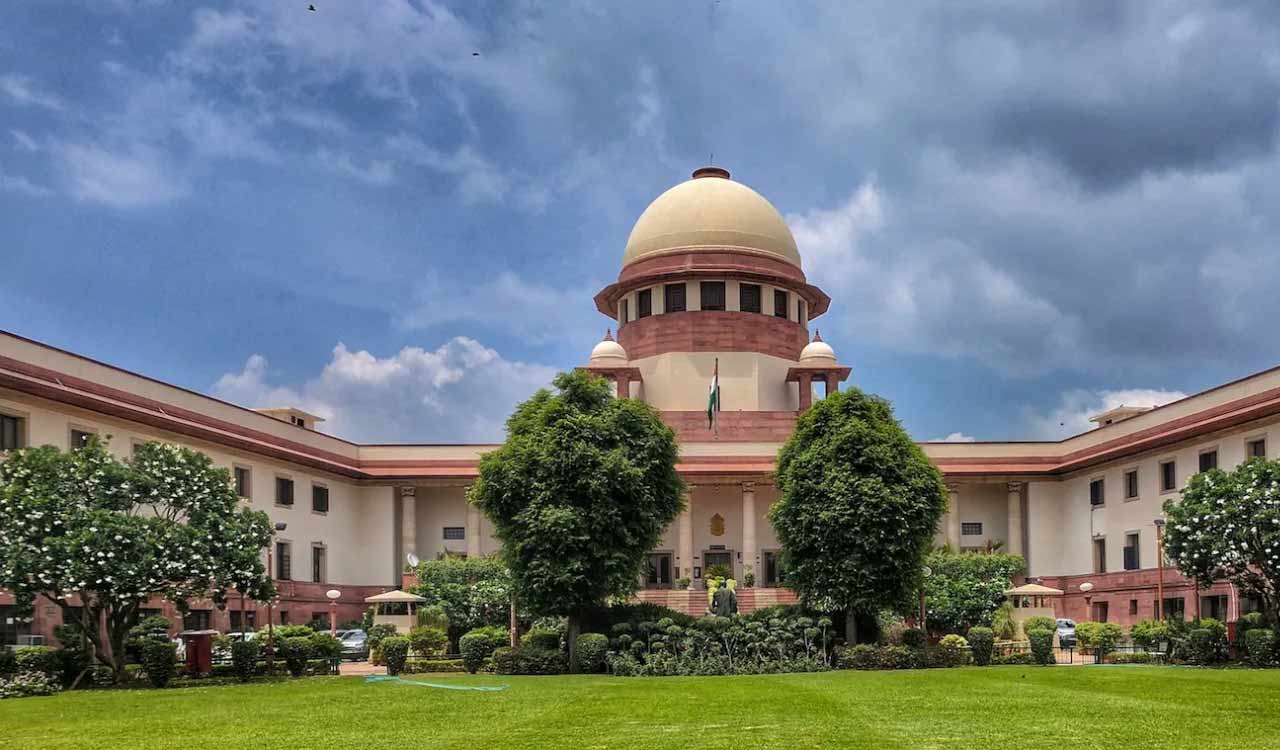
New Delhi: In a significant development, the West Bengal government and the State Backward Classes Commission on Tuesday withdrew their separate pleas from the Supreme Court against a Calcutta High Court judgment striking down the inclusion of 77 castes, including 75 Muslim communities, in the state’s OBC list.
The pleas were filed against the high court verdict during the previous government led by Mamata Banerjee. A bench comprising Chief Justice Surya Kant and Justices Joymalya Bagchi and V Mohana was told by Solicitor General Tushar Mehta, appearing for the state, that the government wanted to withdraw its petition.
The top law officer said that the West Bengal cabinet has taken a decision to withdraw the appeal. The bench also permitted the State Backward Classes Commission to withdraw its separate appeal on the issue.
Senior advocate Shadan Farasat, appearing for some affected persons, sought liberty to pursue separate petitions on the issue. While allowing the withdrawals, the bench clarified that its order would not preclude any other aggrieved party from pursuing an appeal against the Calcutta High Court judgment.
On November 6 last year, the top court had directed that no further proceedings will take place before the Calcutta High Court in the matter concerning the striking down of OBC status of several castes in West Bengal.
The apex court was hearing as many as 10 petitions, including one filed by the West Bengal government, which challenged the high court’s May 22, 2024 verdict that struck down the OBC status of several castes in West Bengal granted since 2010.
The high court, in total, struck down 77 classes of reservation given between April, 2010 and September, 2010. It also struck down 37 classes for reservation as OBC given under The West Bengal Backward Classes (Other than Scheduled Castes and Scheduled Tribes) (Reservation of Vacancies in Services and Posts) Act, 2012.
The proceedings arise out of challenges to the Calcutta High Court’s May 22, 2024 verdict, which struck down the OBC status of several castes in the state, observing that religion appeared to have been the sole criterion for granting the classification.
The BJP-led government recently discontinued religion-based categorisation schemes and regularised 66 communities that were included in the state’s OBC reservation list prior to 2010, restoring their eligibility for a seven per cent quota.
The move followed the state cabinet’s decision to scrap the existing state OBC list in compliance with the Calcutta High Court judgment in May 2024, which struck down the OBC status and certificates issued to 77 additional communities, primarily added between 2010 and 2012, declaring the inclusions “illegal and unconstitutional”.
The notification, issued by the state Backward Classes Welfare Department, said these communities, clubbed under a single category and three of whom are Muslim, will now be eligible for a seven per cent reservation in government services and posts.
The current regularisation replaced the previous system which allotted 10 per cent reservation under Category A, identified as ‘more backward’, and seven per cent under Category B, termed ‘backward’. The list includes several traditional and social communities such as Kapali, Kurmi, Sudradhar, Karmakar, Sutradhar, Swarnakar, Napit, Tanti, Dhanuk, Kasai, Khandait, Turha, Devanga, and Goala, among others. The three Muslim communities included in this list of backward classes are Paharia, Hajjam and Chowduli.

Related News