When AI meets grief in India!
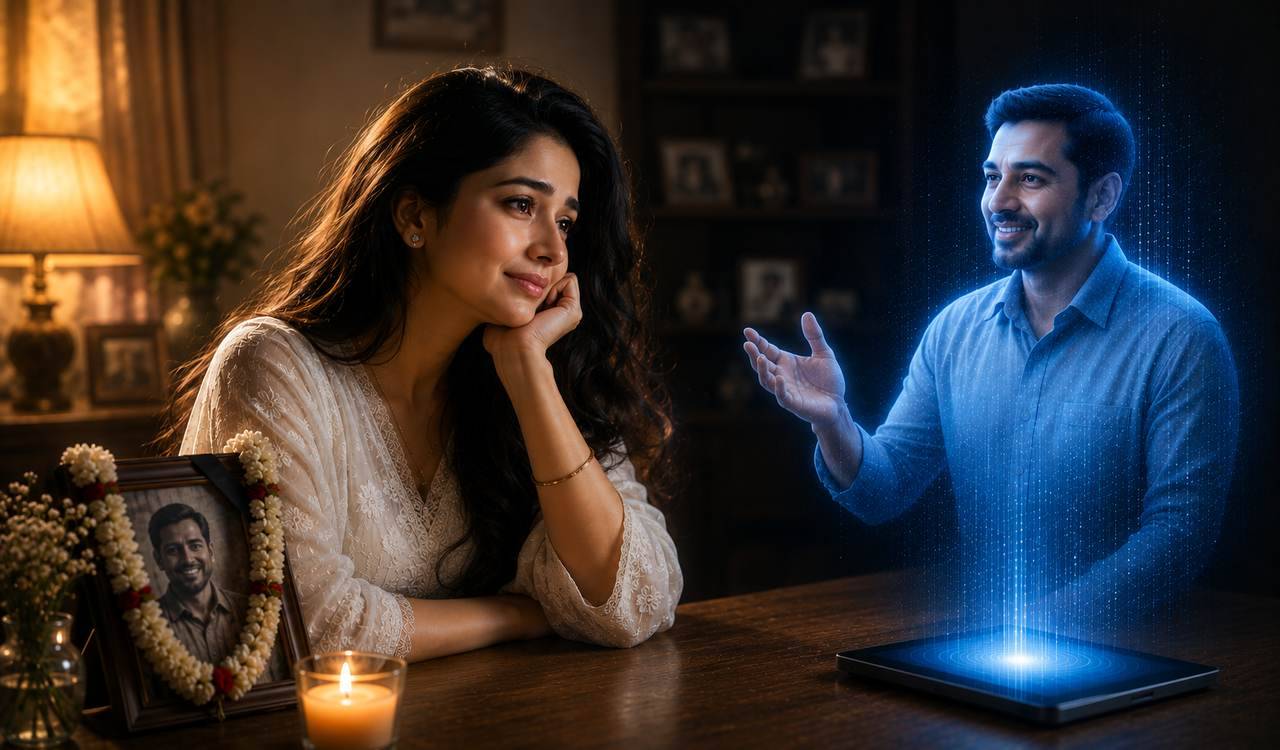
Grieftech—a new-age tech venture—proposes a different dimension to remembering the departed souls. Through this, AI-generated content can be created in Virtual Reality format using the digital footprints of the deceased


By Dr Sukhamaya Swain, Dr Siddhartha Bhattacharya, Sambhab Swain
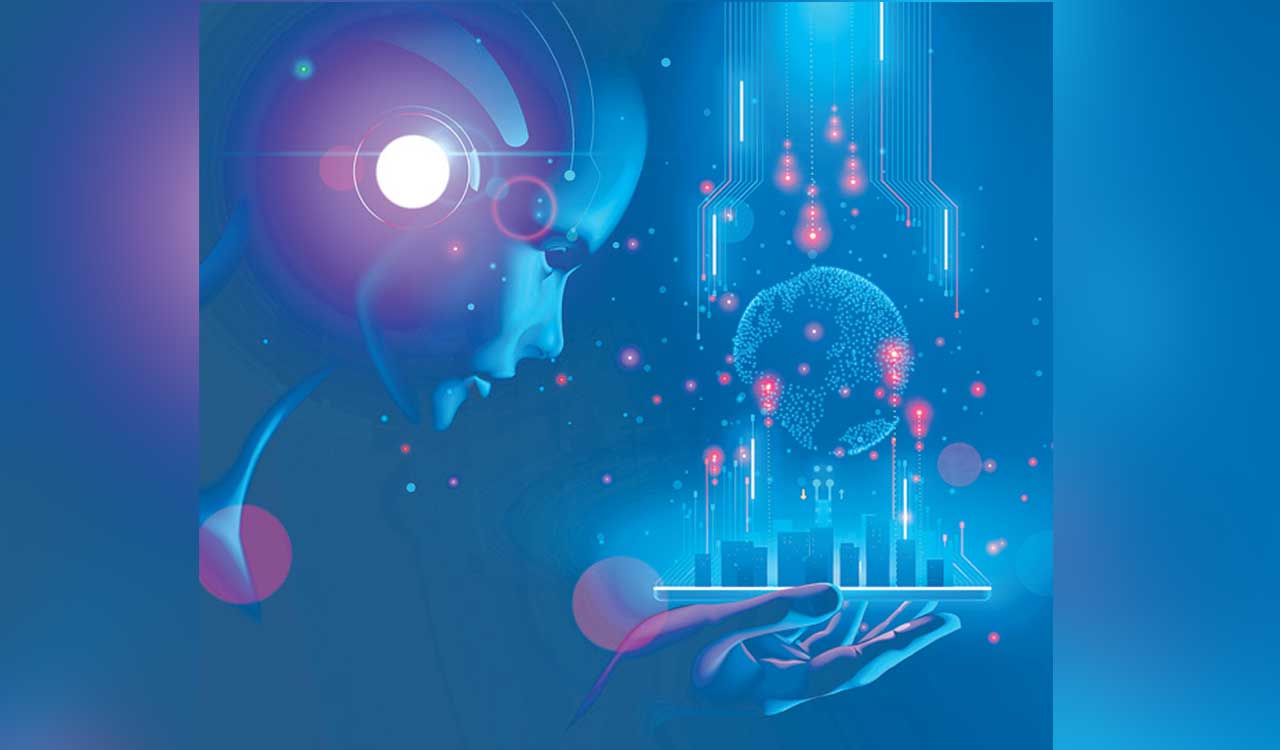
AI is creeping into every aspect of our lives, both tangible and intangible. It has peeked into our mobile phones, smart devices, workplaces and our homes. Now it has started to enter a very delicate place, i.e., grief. It seems to come straight out of a science fiction book, where live humans can communicate with their lost ones. The modes are virtual, ranging from texts to voice and video chats. We are talking of a new-age tech venture called “Grieftech”.
Also Read
The debate narrows to “Fond remembrances” vs “emotional dependency”. It may seem fascinating from the angle of novelty, but it may seem “unsettling” to some. As India marks its strides in AI very boldly, it is befitting that public debate is ensured around this topic before advances are made in this space by tech companies.
Typically, death has been associated with rituals and ceremonies. Indian society has a huge list of functions around the dead; whether it is a “shraddha” or a gathering for remembrances, it has been done not just to remember the departed but also to console the living members of the departed.
Grieftech proposes a different dimension to remembering the departed souls. One need not just create static frames or browse old videos. Through this, AI-generated content can be generated in the VR format using the digital footprints of the deceased. Nowadays, we have a huge array of digital footprints in the form of social media messages, videos, voices, images and probably many more. AI is used to sew them together to create a communicable and comprehensible channel.
The supporters of this put forth the logic that bereavement is difficult to bear and this technology can help reduce the pain. Old people may lose their long-life companions, or they may lose their children to death. They can seek the help of the technology to find some comfort for themselves. In India, where mental health systems are literally absent, this becomes all the more important.
On the surface, nothing seems out of place or odd, as near and dear ones of the departed have been finding difficulties in coping with pain. Written letters, diaries, notes, photos, and family albums have been held in vogue by most of the families during the difficult times. There seems to be a continuity in connection(s) after departing also. Maybe the near & dear ones may be able to express some of the things which were inexpressible during the period when the soul was alive. This may bring the desired succour and relief.
All seems good, but we also need to evaluate the offering through the ethical and the psychological lens.
Among the possible issues, the first one (not in any order of priority) is consent. Who is responsible for the consent? The immediate family members, the most affected relative or someone else. If put to a vote, there would be contradicting view by many in the family. We have many issues with data sharing and privacy among the living. There are chances that we are making the already-meandering lanes more complex. In one’s lifetime, one may have generated huge amounts of data across multiple social media and other junctions. Each of the different custodians of the data may have different rules and legal dimensions.
There is an element of commercialisation, and needless to say, where there is money, there are bound to be problems. The question arises whether emotional dependency can be allowed to be commercially handled. Imagine advertisements and push-videos talking of subscription plans for “talking with the souls”. “What should be the rules of refund in case of dissatisfaction?”; more questions on these lines can be framed.
Thirdly, what about the authenticity? Even if the most complex algorithms were to be used, at the end, it is an AI model; it is only replicating a person through simulations worked out through digital curation of the departed soul’s available data in the digital world. Death has been treated as a necessity; the pain which come instantly heals over time. What if the users become vulnerable and addicted to the grieftech’s communications and never come out of it? This may give rise to more complexities than succour and comfort.
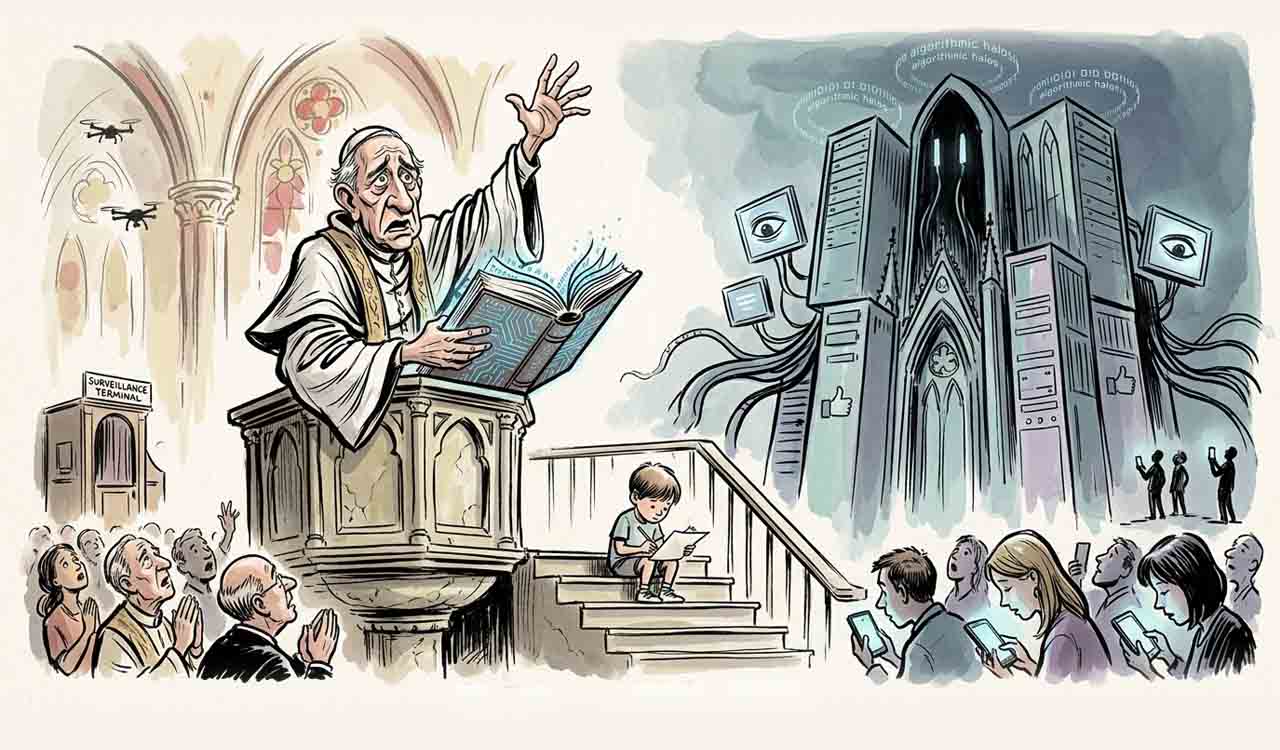
These complications are particularly important for India, where we have long set systems around death like ceremonies, rituals and methods. Death is seen as deeply spiritual and community-oriented. How and where the dead’s image or a video should be placed in the fabric; that needs debate.
India has been progressing well with respect to developing frameworks around AI in the form of rules of usage, defining limitations and data protection. It should also bestow proactive importance to “digital afterlife”. The government should look at it from multiple aspects: consent, rights to data post-death, consent givers, et al.
The technological companies also have to bear the responsibility of stating the limitations. Transparency, in this case, should form the backbone of ethics. For sure, these companies should also consult a very important stakeholder of society, i.e the psychologist and counsellors, particularly the ones who have been handling patients with a history of issues in managing bereavement.
At the end, the acceptance or debate is not at all around technology. It is about societal acceptance, the possible vulnerabilities and the future of an industry which has already arrived. The right question probably is whether the grieftechs can offer dignity and deliver responsibly.
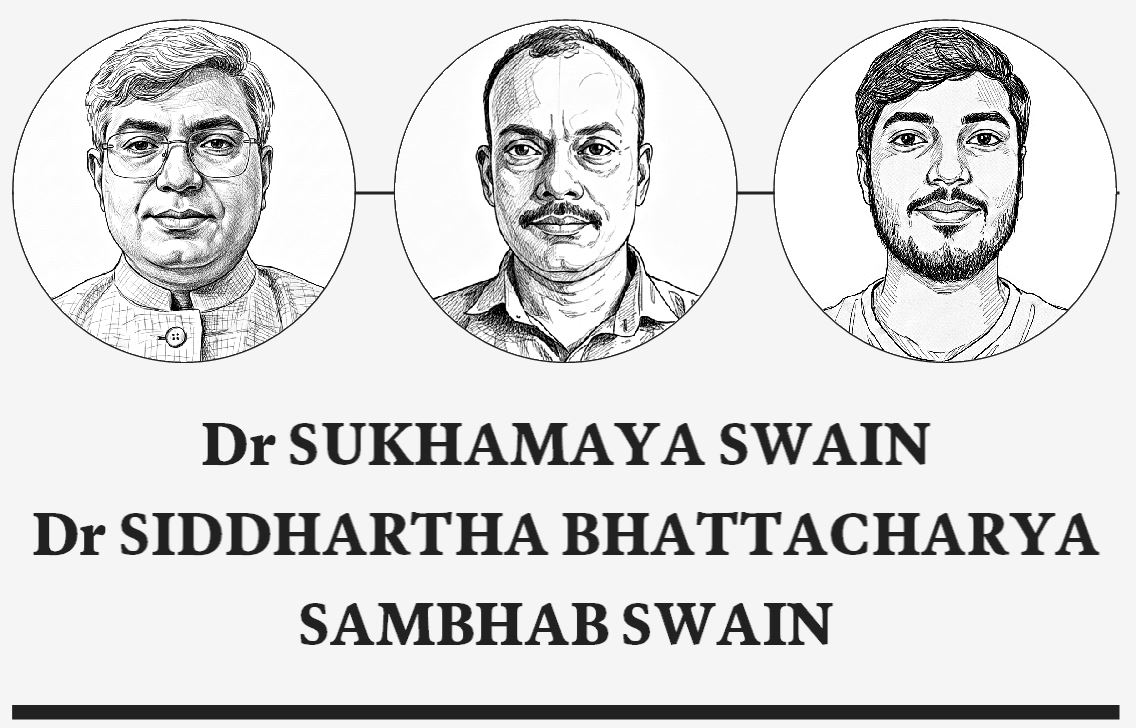
(Dr Sukhamaya Swain is Professor of Finance, JK Business School, Gurugram; Dr Siddhartha Bhattacharya is Professor of Finance, JK Business School, Gurugram; Sambhab Swain is an AI researcher, Gurugram)

Related News