Opinion: AI therapists turning real thing
Mental health crisis is growing, and there are simply not enough human therapists to meet the demand


By Viiveck Verma
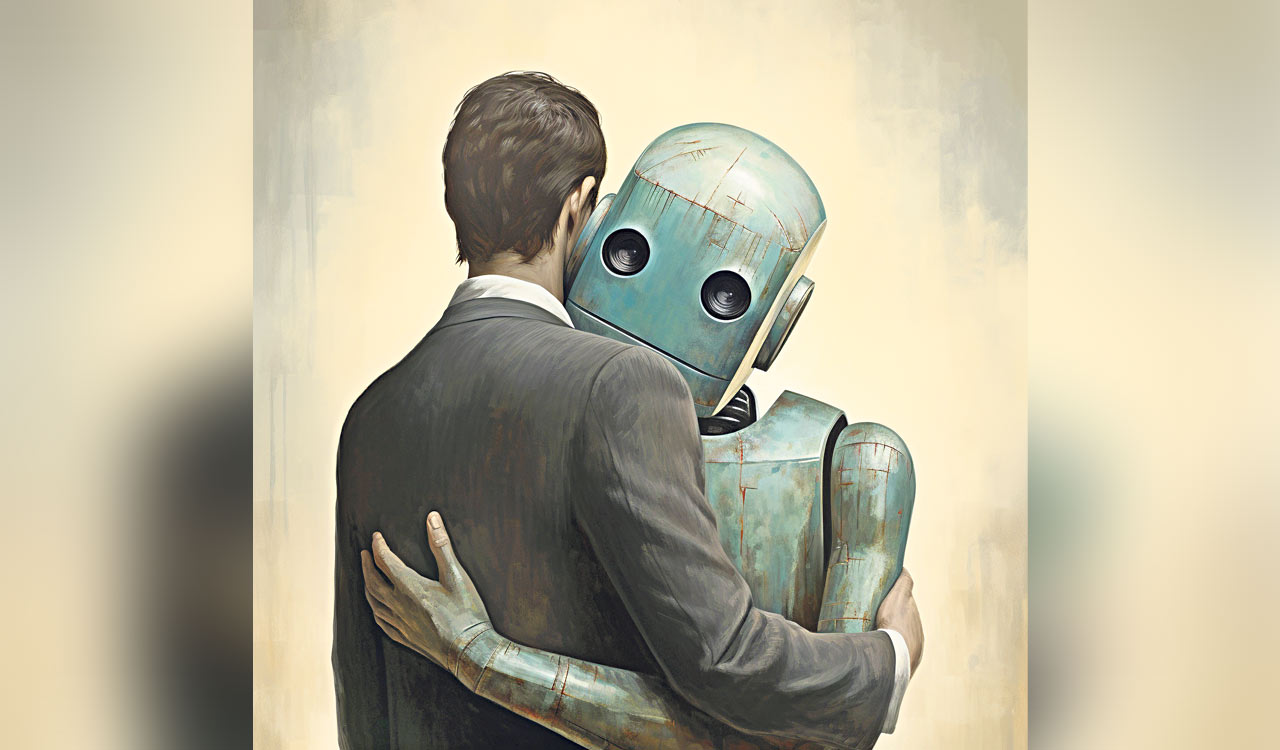
The idea of a machine offering emotional support would have been dismissed as science fiction not so long ago. Yet today, artificial intelligence (AI) therapists are becoming a real thing and are emerging as a viable alternative to traditional mental health professionals. As demand for mental healthcare surges worldwide, AI-driven therapy is filling gaps in accessibility, affordability and convenience. But can a machine ever truly replace human empathy, the cornerstone of effective therapy? The answer, as with most technological disruptions, is complex.
AI therapy is not a new concept. Chatbots like Woebot, Wysa, and Replika have been quietly revolutionising mental healthcare for years, using natural language processing (NLP) and machine learning to provide responses based on cognitive behavioural therapy principles. More recently, large language models like ChatGPT have demonstrated astonishing fluency in human-like conversation, further blurring the line between AI and human therapists.
Inherent Limitations
These AI-driven systems are available 24/7, require no appointment scheduling, and cost a fraction of what a human therapist charges. For millions who cannot access or afford traditional therapy, AI is an undeniable breakthrough. Yet, AI therapy has inherent limitations.
Traditional therapy is not just about identifying problems and suggesting solutions—it is a profoundly human experience shaped by trust, intuition, and emotional reciprocity. A machine, no matter how advanced, does not ‘feel’ in the way a human does. It does not experience joy, sorrow, or trauma. It does not pause to reflect on its own life experiences before responding. While AI can simulate empathy through carefully trained algorithms, understanding human emotion is ultimately statistical, not personal.
In a world where millions struggle in silence, a digital therapist may still be better than no therapist at all, as healing often comes not from the words spoken but from the presence of another human being who listens and shares the burden of suffering
Advocates argue that AI therapy has unique advantages. Machines do not judge. They do not bring personal biases into the conversation. Many patients, particularly those hesitant to open up to another person, find comfort in the anonymity AI provides. Moreover, AI can analyse vast amounts of data in real-time, offering insights that even seasoned therapists might overlook. Some AI systems are now capable of detecting subtle changes in speech patterns that indicate depression or anxiety long before symptoms escalate.
Ethical Concerns
However, AI therapy also raises ethical concerns. The most pressing issue is data privacy. Conversations with AI therapists are stored, analysed, and sometimes even shared with third-party researchers. The potential for data breaches or misuse of sensitive mental health information is alarming. Trust, which is fundamental to any therapeutic relationship, is fragile when patients know their most intimate thoughts are being processed by an algorithm rather than a human bound by confidentiality laws.
There is also the danger of AI misdiagnosis. A human therapist can pick up on nuances that an algorithm might miss, like a hesitation in speech, a fleeting expression, or a contradiction between words and body language. While AI can process language, it lacks the ability to grasp the full spectrum of human nonverbal communication. The consequences of this limitation could be severe. A person in crisis might receive a generic or insufficient response, leading to a worsening condition. In extreme cases, relying solely on AI for mental health support could result in tragic outcomes.
Difficult to Dismiss
Despite these concerns, AI in therapy is not going away. The mental health crisis is growing, and there are simply not enough human therapists to meet demand. Suicide rates are climbing. Anxiety and depression have surged in the aftermath of the Covid-19 pandemic. In many countries, particularly those with underdeveloped healthcare systems, therapy is a luxury reserved for the privileged few. If AI can bridge this gap and offer meaningful support to those who would otherwise receive none, its role in mental healthcare becomes difficult to dismiss.
The most balanced approach is not to view AI therapy as a replacement for human therapists but as a tool that enhances and complements traditional mental healthcare. Imagine a future where AI handles preliminary assessments, monitors patients in between sessions, and provides immediate intervention when human therapists are unavailable. In this scenario, AI does not replace human empathy, it amplifies it by allowing therapists to focus on complex cases while ensuring no one is left without support.
Ultimately, therapy is more than a conversation. Healing often comes not from the words spoken but from the presence of another human being who listens, understands, and shares the burden of suffering. AI, no matter how advanced, cannot replicate that fundamental human connection. But in a world where millions struggle in silence, a digital therapist may still be better than no therapist at all. The challenge is not whether AI should be part of mental healthcare, but how we ensure it is used responsibly, ethically, and in a way that prioritises human well-being over technological convenience.
(The author is founder and CEO, Upsurge Global, co-founder, Global Carbon Warriors and Adjunct Professor, EThames College)

Related News