Editorial: Pope flags AI fears
The Pope’s intervention in the AI ethics debate carries weight because it comes as a papal encyclical — the Catholic Church’s most authoritative teaching document
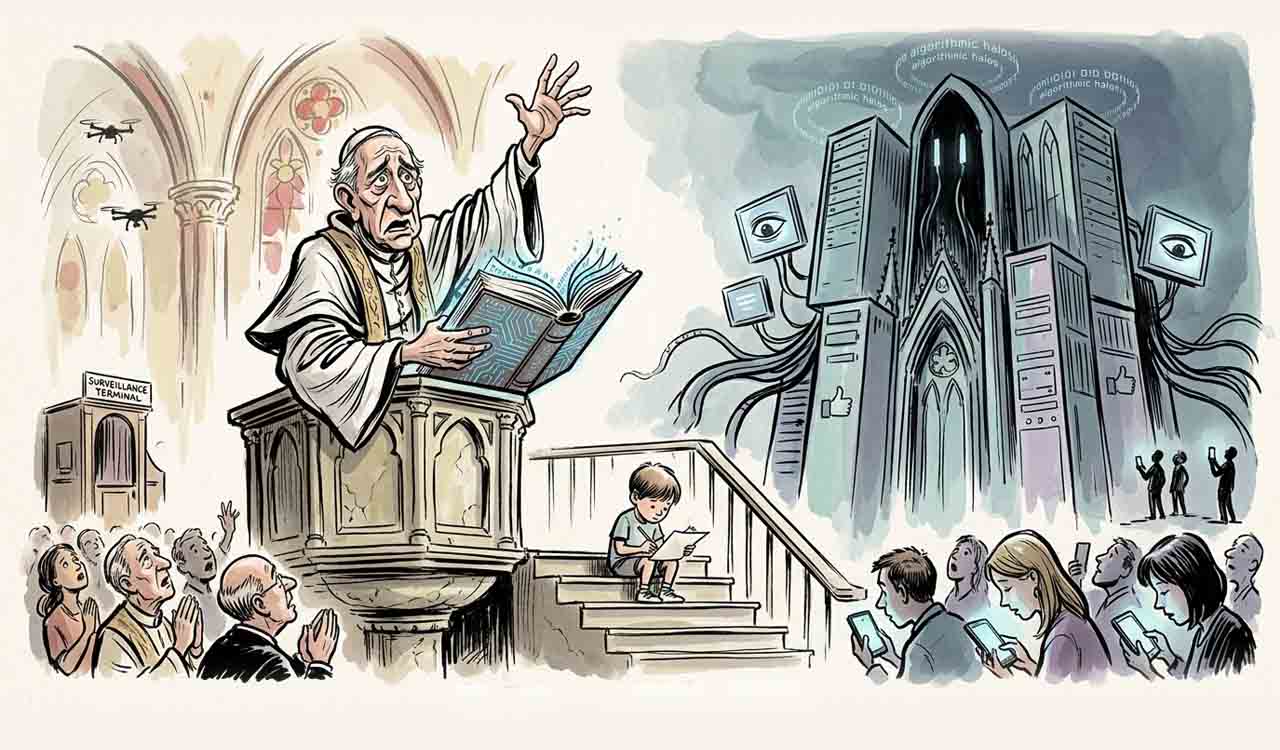


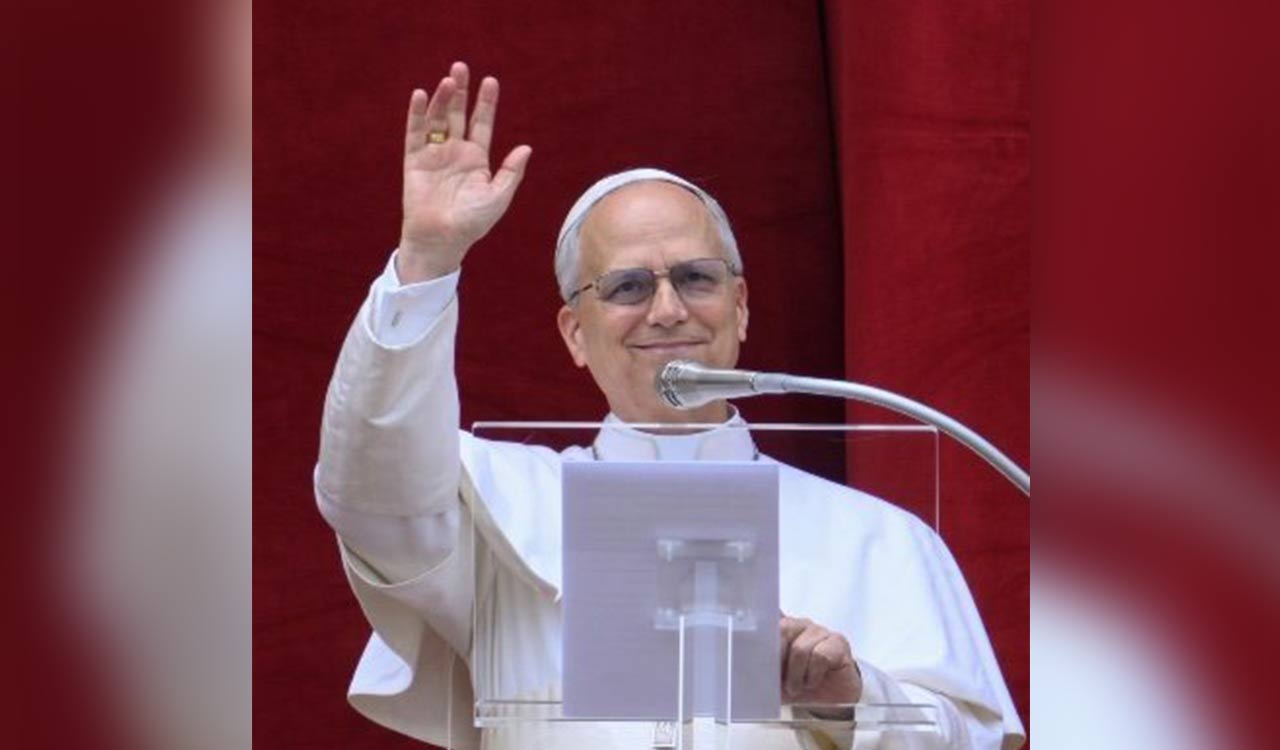
Pope Leo’s warning about the risks posed by the misuse of artificial intelligence tools is timely and deserves careful consideration by the nations at the forefront of shaping the future of these technologies. An impassioned plea by Leo, the first American pontiff, to the Roman Catholic Church’s 1.4 billion followers reflects a sobering voice amid contentious debate over the right approach to tame the genie unleashed by AI, as its potential for misuse is already a cause for global concern. The significance of the Pope’s message on the ethical use of AI technologies lies in the fact that it comes wrapped in the form of a papal encyclical, a nearly 400-year-old Vatican tradition of teaching the Roman Catholic faithful through the presentation of a vision document. Leo, who recently earned the wrath of United States President Donald Trump for criticising the Iran war, made an impassioned plea to global leaders and tech giants to slow down and closely regulate the development of AI systems, warning that they spread misinformation, prioritise conflict, and risk leading the world down a path of unending war. It is heartening that a spiritual leader of immense global appeal has chosen to engage in the ongoing conversation over an issue that holds significance for humanity’s future. He has rightly advocated a fair and balanced regulation of private companies driving the development of AI, protection and retraining for workers whose jobs are threatened, and education to help students think critically about the technology.
There can be no two opinions about the need for international cooperation on credible measures to protect children from violent, hypersexualised or fake information online that is often generated by AI tools. Equally important is the need for safeguards to be put in place to ensure that humans, not AI, remain responsible for all decisions regarding the use of weapons. Reflecting the Vatican’s long-standing opposition to war, the encyclical also called for imposing the most rigorous ethical constraints on weapons developed using AI. The growing ease with which autonomous weapons systems can be deployed makes war less subject to human control. Unfortunately, profits in the arms industry have been a driving force behind the conflicts. Perhaps the most politically charged section of the encyclical, titled Magnifica Humanitas, concerns power. Leo has warned that AI should not be concentrated in the hands of only a few people, and the data ownership should not be left solely in private hands but should be appropriately regulated. However, the track record of technology self-regulation is not encouraging. Social media companies, when warned about the impacts of their platforms on adolescent mental health, democratic discourse, and political radicalisation, consistently prioritised engagement metrics over human welfare. There is no strong reason to believe AI companies will behave differently unless there is binding, enforceable, and internationally coordinated regulation.

Related News