When unity became our strongest weapon at NCC
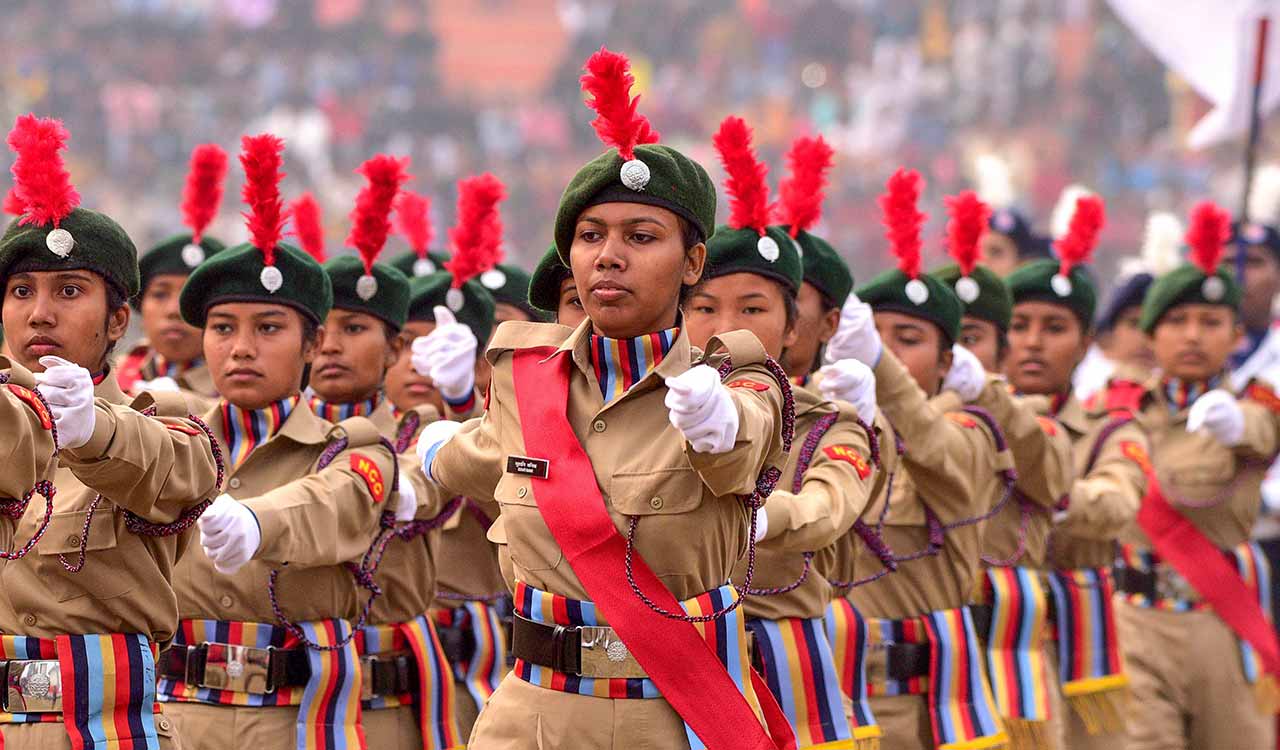
At a crucial NCC training camp for Thal Sena trophy, cadets from Punjab, Haryana and Himachal Pradesh selected one another purely on merit — a quiet moment of selflessness when a true team was born, bound not by region or religion but by shared purpose, turning ‘Unity and Disciple’ from a motto to lived experience


By Brig Advitya Madan (retd)
It was the first week of August 2019, that charged period when the National Cadet Corps (NCC) shifts into high gear for its most demanding and prestigious competitions. Chief among them is the Thal Sena (Army) competition — an event that often decides which NCC Directorate will earn the coveted Prime Minister’s Banner at the Republic Day Parade. For many Directorates, this banner is not just an award; it is a symbol of excellence, grit, and national pride.
On a sweltering afternoon, I received a call from my Additional Director General, Maj Gen Mann. His message was brief but unmistakably firm: this time, the Thal Sena Trophy had to be ours. The Punjab, Haryana, Himachal Pradesh and Chandigarh Directorate had never won it before despite coming close on several occasions. I was entrusted with selecting and training the team. The responsibility weighed heavily — not merely because of the competition, but because this was about honour, legacy, and belief.
The first step was the Inter-Group Thal Sena competition across our eight NCC groups. Quietly and carefully, I chose a set of energetic and committed officers — those capable of translating ambition into performance. The competition comprised six sub-events: obstacle race, shooting, map reading, fieldcraft, judging distances, and tent-pitching.
Among these, the obstacle race sparked the fiercest rivalries. The powerful Sikhs of Punjab, the rugged Jats of Haryana, the resolute Dogras of Himachal Pradesh, and the disciplined cadets of Chandigarh clashed with intensity and pride.
When the final list of probables was announced, emotions spilled over. Some cadets requested re-trials; others pleaded their case with raw honesty. For them, this was not merely a selection — it was a question of identity, self-worth, and belonging. I assured them of complete fairness and made one promise: merit alone would decide the final team.
Three gruelling training camps followed. Yet, one challenge persisted — cohesion. Traditionally, cadets were housed State-wise, reinforcing divisions rather than unity. I took a calculated risk and reshuffled the accommodation team-wise. Initial resistance was palpable, but gradually, barriers dissolved.
Turning Point
The turning point came quietly. A Sikh cadet voluntarily stepped aside for a faster Jat from Haryana. That Jat recommended a Dogra for his exceptional map-reading skills. The Dogra, in turn, vouched for a Sikh cadet with superior fieldcraft. In those understated moments of selflessness, a true team was born — one bound not by region or religion, but by shared purpose.
By mid-September, the transformation was complete. When the competition concluded, we stood victorious, outperforming 16 other Directorates. On Republic Day, as the Prime Minister presented us the Prime Minister’s Banner, it was not just a triumph of training — but of values.
The NCC motto, “Unity and Discipline,” is often spoken, but that year, it was lived. Teenagers from diverse backgrounds set aside their egos and identities to win as one. In times when the secular fabric of our nation is tested, perhaps we should look to these young cadets—not only for inspiration, but for a powerful reminder of what true unity really means.
(The author is a retired Army officer)

Related News