World War II: Women spies who tricked Nazis
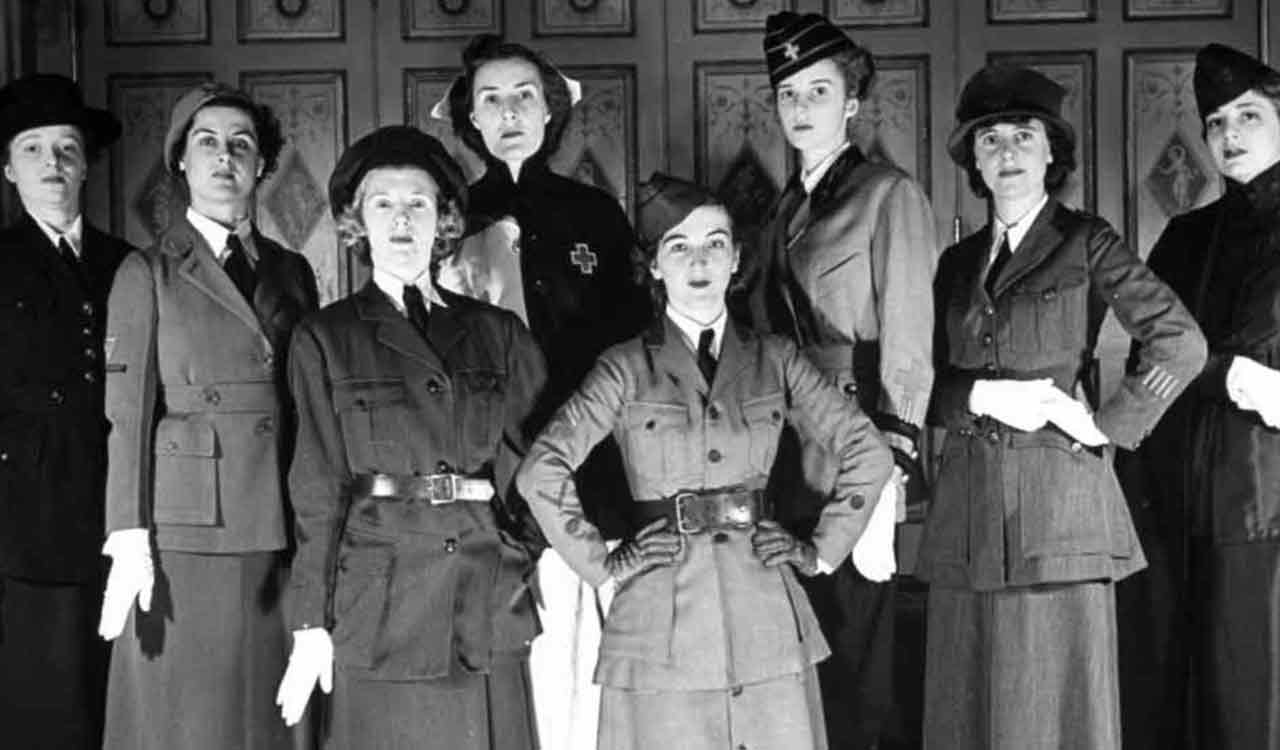
Women were hired for spying during World War-II, and were the only ones allowed to take on a combatant role by the British Army. However, many of them have been forgotten


Oxford: If spy films have taught us anything, it’s that the people chosen for a career in espionage are special. They are the cream of the crop selected because they exhibit unique skills: high levels of intelligence and certain emotional traits that made them perfect for spying.
During the World War-II, the Special Operations Executive (SOE) was a British agency tasked with training spies to conduct espionage, sabotage and reconnaissance in German-occupied Europe and east Asia.
Active from 1940 to 1946, SOE was a pioneering British secret service. This is because it employed civilians, from all backgrounds, including women, which was unusual at a time where most spies were recruited from the army.
The women hired by the agency were the only ones allowed to take on a combatant role by the British Army during the Second World War. However, many have been unjustly forgotten.
These women were active throughout Nazi-occupied Europe, but most women worked in France. They were not French, but French speakers who tried to pass for local.
On paper, this might seem impossible, since being fluent in a language does not make you a spy. SOE recruited prospective agents on the basis of their language skills, and trained most of them in England before sending them into the field. Despite their lack of experience, many SOE women successfully duped German soldiers.
Here are some of the simple but effective ways they managed such deception. Emotional control First, women spies sometimes fooled people simply by appearing calm. Irish agent Maureen Patricia “Paddy” O’Sullivan had grown-up in Belgium and was renowned for her daring personality.
In a post-war interview, she described how she avoided a thorough search while carrying compromising documents. O’Sullivan acted confident and friendly to divert the soldier’s attention from her bag.
As she laughed and joked with the German, he was distracted from making a closer examination. The spies’ cool was frequently praised in post-war commendations.
Remaining calm was no mean feat, especially since most SOE recruits had never worked undercover. In France, they could be questioned by Nazis at any time and nervousness made them look suspicious.
Agent Yvonne Cormeau joined SOE after losing her husband during a bombing at the beginning of the war. In a 1989 interview, she summarised the situation perfectly: “We learned to live with fear.”
Physical appearance SOE spies did alter their appearance in order not to be recognised, but for most, this merely involved picking clothes which matched their cover.
Yvonne Cormeau was sent to a farm in southern France, where the pro-Allied owners gave her new clothes and an apron. She was supposed to pass as their assistant and needed to look like one.
A few agents went a step further and dyed their hair. This was the case of Noor Inayat Khan (code name Madeleine), a Sufi Muslim of royal lineage born to Indian and American parents. Betrayed to the Germans, she was executed at Dachau concentration camp in 1944. Inayat Khan’s contribution to SOE proved invaluable. For several months in 1943, she was the sole radio operator still active in Paris amid the growing Gestapo presence.
However, her constant hair dyeing was less effective. To try and escape the notice of the Gestapo, she regularly bleached her hair blonde, but this actually brought her to the attention of the Germans.
They questioned Alfred and Emilie Balachowsky, her contacts who lived near Paris and led a local resistance network, about the presence of a woman “sometimes blonde and sometimes brunette”. The agent was not arrested on that occasion, but her efforts had backfired.
Locals like the Balachowskys provided crucial support for SOE women, who could be given away by any small gesture.
Despite having grown up near Paris, Inayat Khan threatened her cover just by pouring tea. Shortly after her arrival, Mrs Balachowsky invited neighbours to a tea party, during which the SOE agent poured the milk first into her cup, leading a neighbour to comment that she behaved like a Brit.
Emilie Balachowsky quickly corrected Inayat Khan, who was not the only spy to make errors based on cultural differences. While at the farm, Yvonne Cormeau was asked to watch the owner’s cows. She was about to bring her knitting kit, until her contact explained that this would give her away. “I was forbidden from knitting, as we Englishwomen knit differently.”
These anecdotes are a testament to the importance of everyday habits and of the agents’ local contacts.
For SOE women, espionage in France was very much about teamwork. While Inayat Khan was compromised and executed, for the most part the SOE’s civilian programme for women was a success.
The SOE paved the way for other agencies which gradually started to recruit civilians of all genders after the Second World War.
Some of its methods are also used by modern secret services, such as the illegals programme, a Russian initiative which involves sending Russian operatives fluent in English undercover in the US.
Despite this success, the contribution of women like Patricia O’Sullivan, Yvonne Cormeau and Noor Inayat Khan has remained widely overlooked. They deserve to be remembered along with the period’s male spies.

Related News
-

US Air Force removes all bombers from British air base targeted by suspected terror attack
-
TOMCOM announces recruitment drive for physiotherapists to work in Germany
-
BVRIT hosts foreign higher education awareness seminar and passport mela
-
Denmark, 4 EU nations agree on ‘return hubs’ outside bloc for rejected asylum seekers