Yunus-led interim govt’s patronage fuels organised mobs in Bangladesh: Experts
Experts and journalists in Bangladesh warned that deteriorating law and order and organised mob violence are being fuelled by patronage from the Yunus-led interim government. They flagged shrinking media freedom, attacks on news outlets, regulatory overreach, and growing threats to journalists
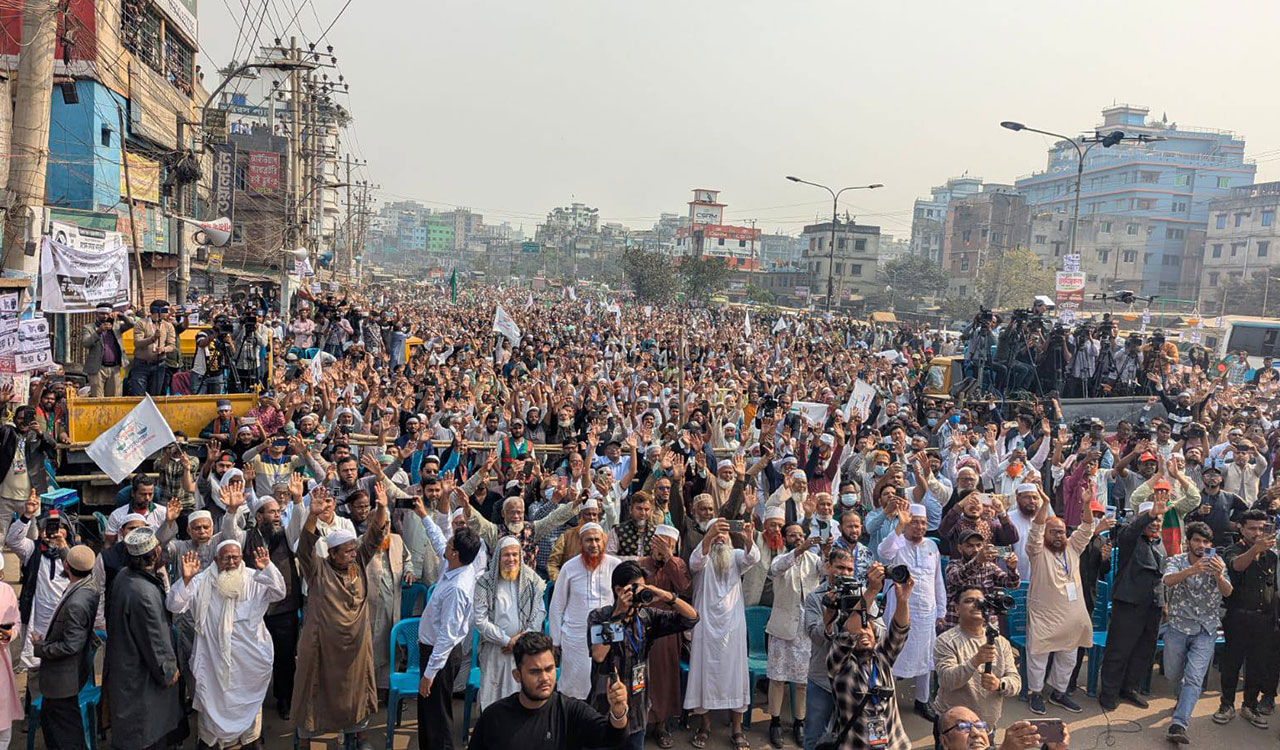


Dhaka: As the law and order situation in Bangladesh continues to deteriorate, experts warned that patronage from the Muhammad Yunus-led interim government is inciting organised mobs in the country, local media reported.
The remarks were made during a dialogue organised by the Centre for Governance Studies (CGS) titled ‘Media Reform in Bangladesh: Between Freedom, Responsibility and Power’, on Tuesday, which brought together senior journalists, editors, academics, political leaders, and media analysts across the country.
Expressing concerns, the speakers stated that media freedom in Bangladesh is increasingly restricted, with journalists facing insecurity, financial difficulties, and pressure from politically affiliated groups, as the leading Bangladeshi daily, The Dhaka Tribune, reported.
Recalling the December 18 attacks on the offices of media outlets, The Daily Star and Prothom Alo, senior Bangladeshi journalist Nurul Kabir said either the interim government allowed the attacks or failed to prevent them.
“That was not spontaneous — that was organised,” The Daily Star quoted Kabir as saying. He further stressed that the inability of fire services to respond during the arson attacks on the media houses demonstrated a grave breakdown of state responsibility.
CGS President Zillur Rahman, referring to attacks on Prothom Alo and The Daily Star, said that a senior editor critical of the interim government was subjected to harassment and branded a political collaborator.
“This raises serious questions about media freedom,” he added, noting that a representative of the interim government at the CGS program refused to term the incidents as mob attacks.
Criticising the upcoming February 12 election, Rahman said, “There is no real vote in the country; what exists is referendum campaigning — government campaigning through government offices, with ‘Referendum 2026’ above parliamentary election.”
Bangladesh Media Reform Commission Chief Kamal Ahmed warned that the Yunus-led interim government’s proposed Broadcast Commission Ordinance and Media Commission Ordinance may lead to serious regulatory conflicts due to overlapping powers.
Kamal slammed the interim government’s haste in passing ordinances, describing the new Information Broadcasting Commission and Media Commission as “patchwork initiatives” with insufficient planning. Meanwhile, senior Bangladeshi journalist Zahid Newaz Khan shared accounts of surveillance and pressure, drawing attention to concerns over press accreditation and reliance on advertising.
Calling for gender inclusivity, Ayesha Kabir, head of Prothom Alo English, said, “Women’s participation in media must increase to build an equitable state.” Bangladesh has witnessed a surge in attacks on journalists, the rise of mob culture and a deteriorating law and order situation since the Yunus-led interim government assumed power in August 2024.

Related News
-

India excluded as US expands visa-bond requirement to 50 countries
-
Pak vows to deepen ties with Bangladesh and Iran as Sharif meets Rahman, Pezeshkian on UNGA margins
-
‘You should not be here’: Trump tells CNN at UN as standoff with media outlets persists
-
Hyderabad police uncover network smuggling stolen phones to Bangladesh