Air pollution linked to heightened mental health service usage among dementia patients: Study
An estimated 850,000 people are living with dementia in the UK, with the number projected to increase to 2 million by 2050.
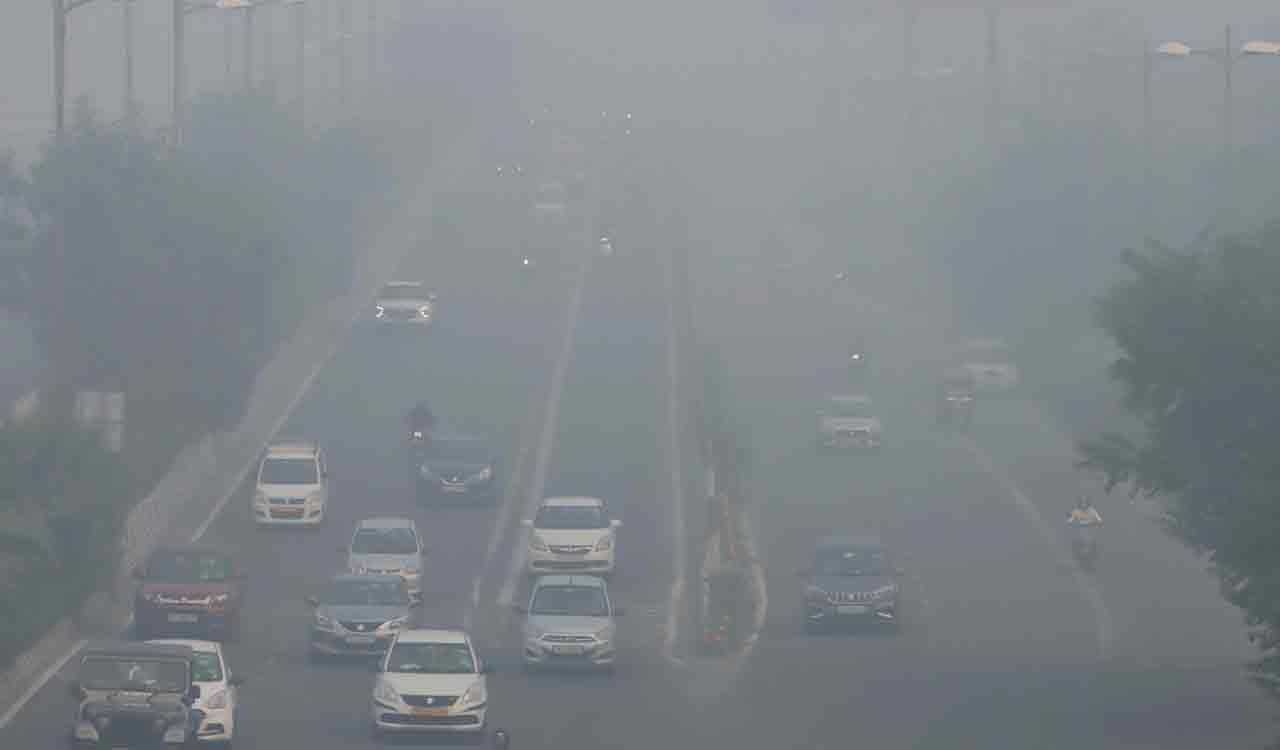


Washington DC: Exposure to relatively high levels of air pollution is associated with increased use of community mental health services by people with dementia, according to a large long-term study published in the open-access journal BMJ Mental Health.
Cutting levels of nitrogen dioxide and particulate matter might reduce demand in urban areas and help free up resources in overstretched psychiatric services, suggest the researchers.
Also Read
An estimated 850,000 people are living with dementia in the UK, with the number projected to increase to 2 million by 2050, in tandem with the ageing of the population. Dementia is already the leading cause of death in the UK, note the researchers.
A good deal of research has focused on the effects of air pollution in older age, including its potential role in the speeding up of cognitive decline and dementia, they add.
But while air pollution has been linked to increased health service use by people with dementia, these studies have largely focused on hospital services, rather than community services, which is where most people with the condition are managed in the UK.
To plug this knowledge gap, the researchers looked back at community mental health service use over 9 years by 5024 older people (65 and above) living in 4 boroughs of South London following their initial dementia diagnosis between 2008 and 2012. Over half (54 per cent, 2718) had been diagnosed with Alzheimer’s disease, which is caused by plaque deposits and tangles in the brain; a fifth (20 per cent,1022) had vascular dementia, which is caused by damage to blood vessels in the brain; and over a quarter (26.5 per cent,1330) had other or unspecified dementia.
Quarterly published estimates of two major air pollutants nitrogen dioxide (NO2) and particulate matter (PM2.5 and PM10)—covering the area around participants’ homes were linked with their anonymised mental health records for the period 2008-12. Exposure to all air pollutants was highest in people with vascular dementia and lowest in those with Alzheimer’s disease. The monitoring period was divided into three-time points: up to 12 months; up to 5 years; and up to 9 years after diagnosis.
In the first year of monitoring, higher exposure to all air pollutants was associated with an increase in the use of community mental health services by people with dementia, after accounting for potentially influential factors. The higher the level of exposure, the greater the use of these services, particularly for exposure to NO2. This was especially noticeable among those with vascular dementia.
Compared with those living in areas with the lowest levels of exposure to NO2, those living in areas with the highest level of exposure were 27 per cent more likely to use these services. And those exposed to the highest levels of very small particulate matter (PM2.5) were 33 per cent more likely to use mental health services.
The associations between PM2.5 and more frequent mental health service use were still evident 5 and 9 years later for people with Alzheimer’s disease and vascular dementia, but were most noticeable for those with vascular dementia. During the study period, the Mini Mental State Exam (MMSE) was used to measure brain function and the Health of the Nation Outcomes Scale (HoNOS65+) was used to measure physical health and social activity.
At all time points, exposure to NO2 was associated with higher HoNOS65+ scores, indicating poorer health and social functioning, including the capacity for routine activities of daily living, but not poorer cognition. Similar findings emerged for particulate matter.
Air pollution wasn’t associated with brain function as measured by MMSE results over the study period. But exposure to NO2 was associated with higher HoNOS65+ scores at all time points, indicating poorer health and social functioning, including the capacity for routine activities of daily living. Similar findings emerged for PM2.5. This is an observational study, and therefore no firm conclusions can be drawn about cause and effect. The researchers also acknowledge that they weren’t able to assess the impact of early life exposure to pollutants or fluctuations in exposure over the 9 years or changes in exposure due to residential mobility or time away from home.
Nevertheless, based on their findings, they estimate that if the annual PM2.5 exposure in London (11.6 µg/m3 in 2019) fell to 5 µg/m3, as recommended by the World Health Organization, the number of community mental health service contacts by people with dementia could be reduced by 13 per cent a year. Similarly, reducing annual levels of NO2 (39 µg/m3 in 2019) to the recommended limit of 10 µg/m3 could reduce annual mental health service contacts by 38 per cent. These estimates are likely to apply to other large cities in high income countries with heavy diesel traffic, they suggest.
“Based on the evidence presented, we contend that air pollution could be considered an important population-level target to reduce mental health service use in people with dementia, particularly for those with vascular dementia,” they write. They add: “The reduction in air pollution and particularly NO2 through public health interventions such as the expansion of ultra-low emission zones could potentially improve functioning and disease trajectories for people with dementia. Reducing pollutant exposure might reduce the use of mental health services in people with dementia, freeing up resources in already considerably stretched psychiatric services.”

Related News