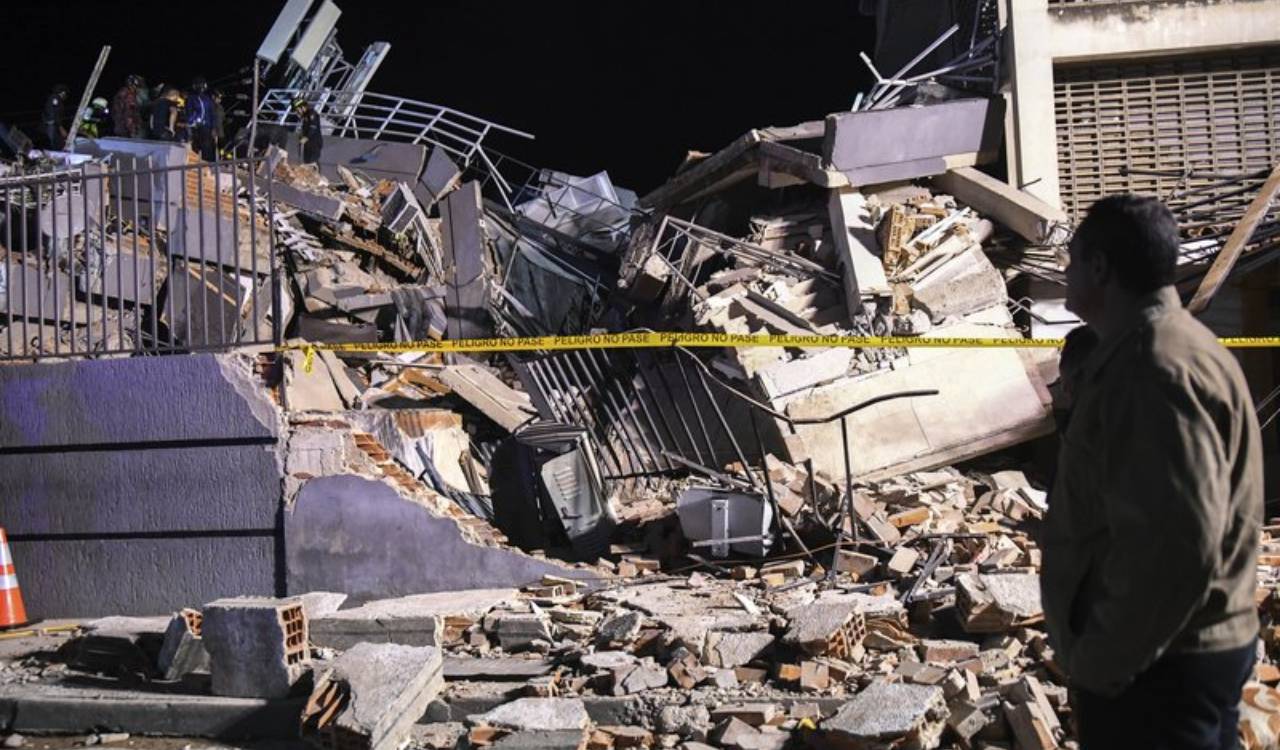
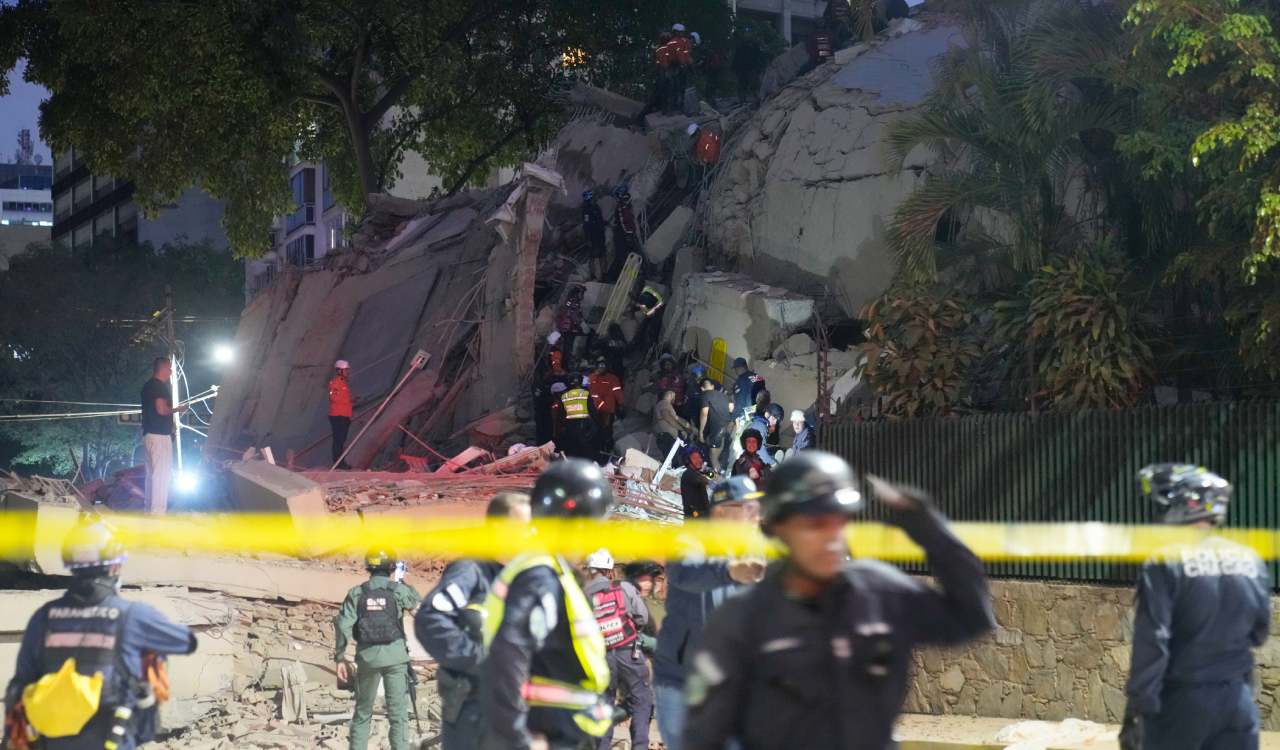
Central India prone to earthquakes: Study
Many distorted structures, found on Hanumandhara mountain (Vindhya Parvat), about 3.5 km from Chitrakoot Dham, reflect the underground changes of that time.
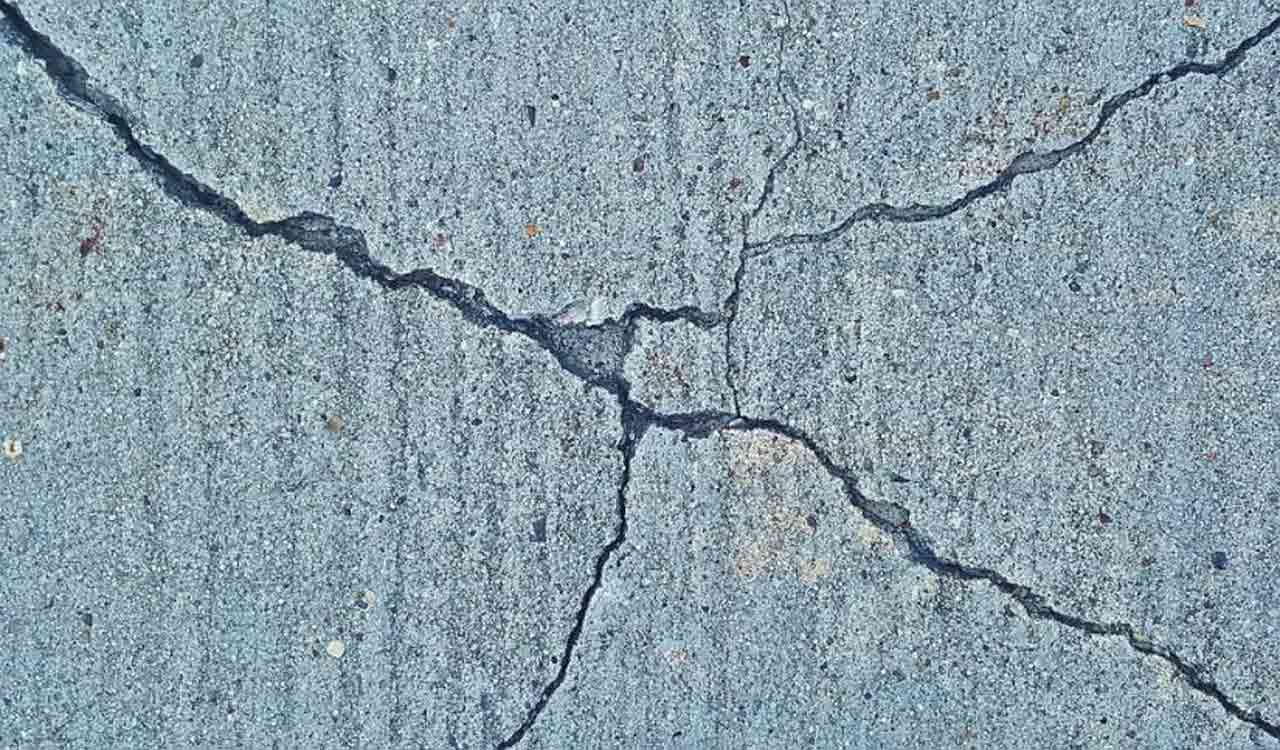


Prayagraj: Scientists of the Department of Earth and Planetary Sciences in Allahabad University, have found evidence of a strong earthquake that occurred 140 crore years ago on the Chitrakoot-Satna border region.
Many distorted structures, found on Hanumandhara mountain (Vindhya Parvat), about 3.5 km from Chitrakoot Dham, reflect the underground changes of that time.
Also Read
According to Professor J.K. Pati and fellow at the department Anuj Kumar Singh, the formation of these deformation structures is related to a combination of several other processes including gravitational instability, liquefaction and generated by seismic tremors.
The present study (types of deformed structures and their complexity, geodynamic distribution, geographical structure of Vindhyan Union) confirms that the magnitude of this earthquake must have been more than 5 on the Richter scale.
Their discovery and conclusions are now all set to be published in the upcoming issue (July 2023) of the prestigious international Elsevier Journal — Journal of Paleogeography– and whose pre-print has already become available online on the journal’s website.
“The formation of these soft-sediment deformation structures (SSDS) is essentially related to a combination of processes, including gravitational instability, liquefaction, and fluidisation generated by seismic shaking.
“Our extensive investigation during the present study over types of deformation structures and their complexity, geodynamic distribution, the geological structure of Vindhyan joint confirms that the magnitude of these earthquakes would have been more than 5 on the Richter scale,” said Prof Pati, an eminent geologist who, among other areas has been working on different geo-scientific aspects and areas of Bundelkhand since 1992.
This part of central India has been considered safe from earthquakes till now. But this research has emphasised studying underground changes in a new way.
Now, like Jabalpur, it should not be assumed that strong seismic tremors cannot occur in this part of central India. Like the collision zone of the Himalayas, these tracts of central India can also be affected by intense seismic activity as evidence shows, he added.
Singh said that for a long time, the Central Indian region had been considered stable from the seismic point of view.
“However, various types of deformed structures (SSDS) and their structural features in the ancient Vindhyan Basin reveal the frequent incidences of seismicity. Small earthquakes have occurred in this area in the recent past, indicating that there are a few such faults within the ground in this area, which could be the cause of a major earthquake in the future,” he shared.
The scientists say that importantly, this study also suggests active tectonics/seismic activities during the continuous evolution of the Vindhyan Basin, contrary to the earlier propositions.
The occurrence of earthquakes helps scientists to understand the internal structure of the earth, although when the intensity is high, they may cause a huge loss of life and property.
The researchers said that though we cannot prevent earthquakes, their hazardous effects can be controlled/minimised by carefully following the guidelines of the government, especially the National Disaster Management Authority.

Related News