Delhi HC seeks rationale for mandatory MP, MLA endorsement under Lakshmi Yojana
The Delhi High Court sought an explanation from the BJP-led Delhi government over mandatory MP or MLA endorsement for women seeking Rs 2,500 monthly assistance under the Delhi Lakshmi Yojana. The court questioned the requirement's rationale and termed a scheme without rationale potentially arbitrary
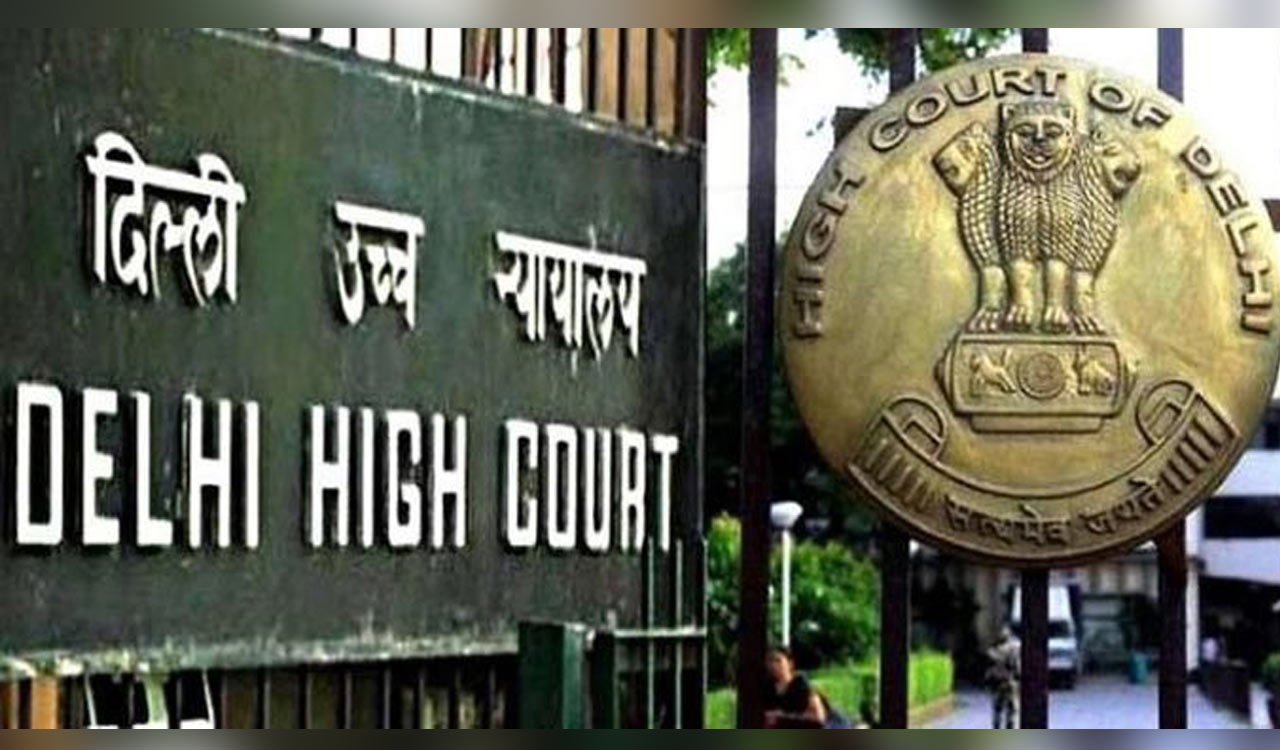


New Delhi: The Delhi High Court on Monday directed the BJP-led city government to explain the rationale for the requirement of endorsement by a local MP or MLA to avail the benefit under the ‘Delhi Lakshmi Yojana’, which offers financial aid of Rs 2,500 per month to women.
The high court asked for the objective the government sought to achieve by making this requirement compulsory for every applicant seeking a benefit under the scheme. A bench of Chief Justice Devendra Kumar Upadhyaya and Justice Tejas Karia said if this requirement was one of the options available with the applicants, then it was fine, but the problem here was that this was the only option.
The court asked the government to file within 10 days a short affidavit in response to a public interest litigation (PIL) on the issue by former Congress councillor Abhishek Dutt and sitting councillor Vedpal Sheetal Chaudhary. “Let a short affidavit be filed by respondent no. 1 (Delhi government) giving the rationale of introducing the system of endorsement from MP/MLA for the purpose of seeking benefit under the Delhi Lakshmi Yojana. “The respondent no. 1 shall also indicate what objective they are seeking to achieve by adding this clause in the scheme,” the bench said.
The court listed the matter for further hearing on October 17. During the hearing, the bench said the gazette notification does not talk about any such requirement. Additional Solicitor General Chetan Sharma, representing the government, said the scheme has also been introduced in several other states and this requirement is everywhere in the country.
He said there is a rational nexus behind this requirement and that 6.1 lakh beneficiaries have already been added to the scheme. The bench, however, disapproved the move and asked, “What is the rationale to ask them to have a recommendation from MP/ MLA? A policy or scheme without any rationale is arbitrary.”
The bench had earlier observed that eligibility can be ascertained by seeking documents, such as an income certificate and domicile. The petition said that a mandatory endorsement or recommendation letter from the local MP or MLA as a precondition under the scheme conferred “unbridled discretion upon political representatives and converted a State welfare entitlement into an instrument of political patronage”.
The PIL informed that the scheme became operational on August 1, when the government launched the online registration portal, where submission of the recommendation or endorsement letter by the concerned MP or MLA has been made a mandatory document for registration. The plea said that there are neither any suggested timelines and decision-making metrics for the MPs or MLAs for issuing such recommendations nor a grievance redressal mechanism in case such an endorsement is rejected.
Besides assailing the requirement of a mandatory recommendation or endorsement letter from a legislator, the PIL also sought directions for framing objective, transparent and non-arbitrary administrative guidelines for the verification and disbursement of financial aid under the scheme without political interference or unguided executive discretion. According to the scheme guidelines approved by the cabinet, women aged between 21 and 60 years whose family income is up to Rs 2.5 lakh per annum are eligible to apply for seeking benefit under it.
Women already receiving benefits under any other financial assistance scheme or pension, taxpayers, government employees, with more than three living children, families with annual electricity consumption exceeding 2,400 units, those owning four-wheelers, or families with any member in government service or facing a criminal case will not be eligible.
The other eligibility conditions are that the eldest eligible woman in a family is allowed to apply, the applicants or their parents or husbands must have been residents of Delhi for at least 10 years and the beneficiary must be a registered voter in the national capital.

Related News
-

FIR lodged over posters questioning govt performance in Delhi Metro
-
AISA president Neha Bora tells Delhi High Court no permission needed to hoist national flag
-
Saurav Das, Ashutosh Ranka released from custody after peace undertakings
-
CJP leaders Saurav Das, Ashutosh Ranka face fresh custody request by Delhi Police