Delhi High Court seeks Kejriwal and Sisodia’s stand on CBI plea in excise policy case
The Delhi High Court has sought responses from Arvind Kejriwal, Manish Sisodia and others on a CBI petition challenging their discharge in the excise policy case. The court issued notices and listed the matter for hearing on March 16
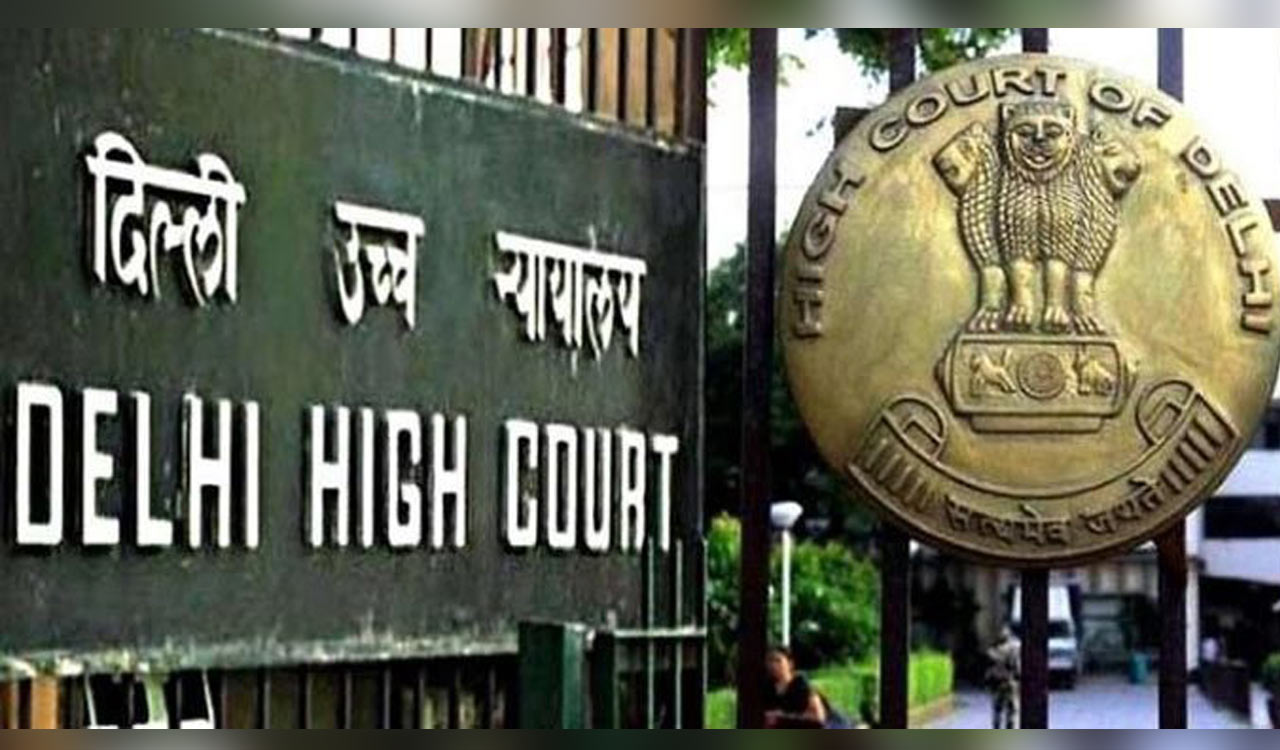


New Delhi: The Delhi High Court on Monday sought the stand of former Delhi chief minister Arvind Kejriwal, his deputy Manish Sisodia and 21 others on a petition by the CBI challenging their discharge in the liquor policy case by the trial court.
Justice Swarana Kanta Sharma issued notice to all the accused and listed the CBI’s petition for hearing on March 16.
“Let a reply be filed,” ordered Justice Sharma.
The court said it would pass an order asking the trial court to defer proceedings to a later date in the connected money laundering case probed by the Enforcement Directorate to await the outcome of the present matter.
On a request made by Solicitor General Tushar Mehta on behalf of the investigating agency, the court further indicated that it would stay the operation of the “prejudicial” remarks by the trial court on the CBI officials.
Mehta urged the court to finally decide the CBI’s plea by fixing a time schedule for the hearing.
He contended that the trial court order discharging Kejriwal and Sisodia in the excise policy case was perverse and “turned the criminal law on its head”.
The excise policy case was one of the biggest scams and a clear case of corruption, he alleged.
“This is one of the biggest scams in the history of the capital of this nation and, therefore, a national shame. Scientific investigation was carried out,” Mehta submitted.
Asserting that the trial court passed an order of acquittal in favour of Kejriwal, Sisodia and others without a trial, Mehta contended that meticulous evidence was collected by the agency to show conspiracy and bribery for a manipulated liquor policy, which “cannot be brushed away”.
There is enough evidence against Kejriwal, Sisodia and other accused for framing charges, and the CBI’s case was supported by the approvers and witnesses, he added.
Mehta submitted that the discharge order relied on the lack of “independent corroboration” for approver statements when such corroboration was not required at the stage of framing charges.
The requirement of corroboration for approver evidence applies at the stage of conviction and not at the stage of framing charges, he said.
He submitted that around 170 mobile phones were changed or destroyed by the accused and other related people during the period of the scam and, despite such destruction of evidence, the CBI recovered material to show the criminal conspiracy and the role of the accused persons.
Mehta said the material on record undeniably established a grave suspicion of a systematic criminal conspiracy among the accused to manipulate the Delhi Excise Policy 2021-22 for illegal gratification, which was followed by money laundering and utilisation of the proceeds for the AAP’s election expenditure for the Goa elections.
On February 27, the trial court discharged Kejriwal, Sisodia and 21 others, pulling up the CBI by saying its case was wholly unable to survive judicial scrutiny and stood discredited in its entirety.
The trial court ruled that the alleged conspiracy was nothing more than a speculative construct resting on conjecture and surmise, devoid of any admissible evidence, and therefore, to compel the accused to face the rigours of a full-fledged criminal trial in the stark absence of any legally admissible material did not serve the ends of justice.
Among the 21 people given a clean chit in the case is Telangana Jagruthi president K Kavitha.
While Kejriwal was in jail for six months in the case, Sisodia was behind bars for almost two years.
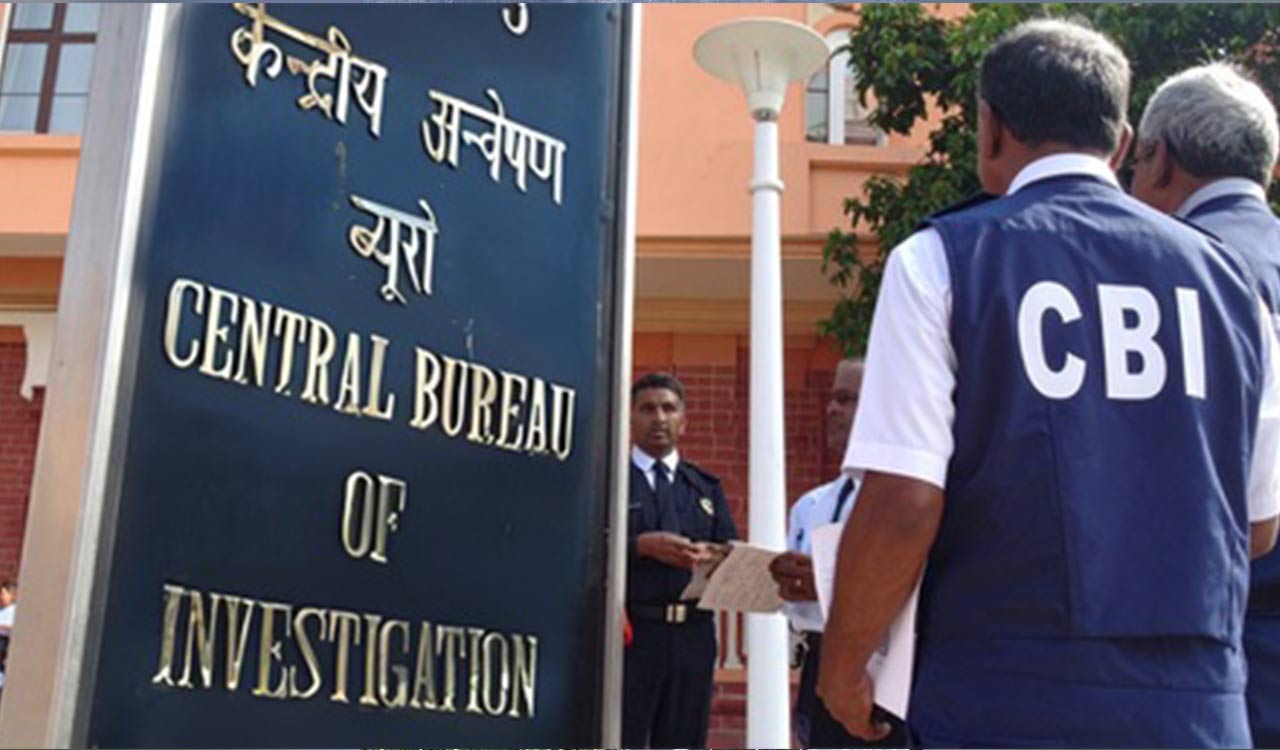
The CBI has been probing alleged corruption in the formulation and execution of the erstwhile AAP government’s now-scrapped excise policy.
In its revision petition filed the same day as the trial court’s decision, the CBI said the discharge order was patently illegal, perverse and suffered from errors apparent on the face of the record.
The petition contended that the trial court conducted a “mini-trial” at the stage of framing of charges and passed the discharge order on a “selective reading of the prosecution case”.
Not only did the trial court fail to appreciate the facts of the case, but it also passed unwarranted adverse remarks against the investigating agency and the investigating officer, the plea claimed.
“In substance, a case of rampant corruption, emanating from the highest levels of executive, has resulted in a discharge owing to incorrect conclusions being drawn to impute aspersions on the investigating agency, when the record of the case, which is to be treated as uncontroverted at this stage, speaks otherwise,” the petition stated.
In the discharge order, the trial court said the investigation appeared to have proceeded on a predetermined trajectory, implicating virtually every person associated with the formulation or implementation of the policy to lend an illusion of depth and credibility to an otherwise fragile narrative.
It said the endeavour to further connect such allegations to the Goa Assembly elections to project utilisation of alleged proceeds of crime rested more on inference and assumption than on legally sustainable material.

Related News
-

Dhruv Rathee defamation case: Court issues bailable warrant, hearing on October 31
-
‘Is it a crime to hoist the Tricolour?’ Kejriwal attacks Centre over Dipke detention
-
Another AAP leader quits party; Abhinandita Mathur announces her resignation
-
CBI files chargesheet against 14th NEET-UG paper leak accused