DNA certification to restore ‘Gold Standard’ for Kashmiri Pashmina trade as CCMB files for patent
The CCMB Hyderabad has filed for a patent on a pioneering DNA-based authentication technology to protect the global reputation of Pashmina and curb illegal Shahtoosh trade.



Hyderabad: In a move aimed at protecting the global reputation of Pashmina trade and the endangered Tibetan antelope (Chiru), the Hyderabad-based Centre for Cellular and Molecular Biology (CCMB) has officially filed for a patent for its breakthrough first-ever DNA-based authentication technology.
The move could well be a turning point for the reputed Pashmina Kashmiri craft, which has long been plagued by intentional or accidental mixing of legal goat wool with illegal Shahtoosh, which is considered the world’s finest and warmest wool sourced from the endangered Tibetan antelope (Chiru).
The researchers at CCMB have also launched efforts to establish a dedicated testing centre in Srinagar, which will allow exporters to verify their products on-site, ending the delay experienced in sending samples to either Hyderabad or testing laboratories in Dehradun.
Unlike Pashmina, which is ethically harvested from domesticated Himalayan goats, Shahtoosh can only be obtained by killing the wild Chiru. Since the Tibetan antelope cannot be domesticated, poachers slaughter three to five antelopes to produce one or two shawls. With the Tibetan antelope falling under the endangered species category, it is protected under Schedule I of the Wildlife (Protection) Act, and Shahtoosh trade has been banned worldwide.
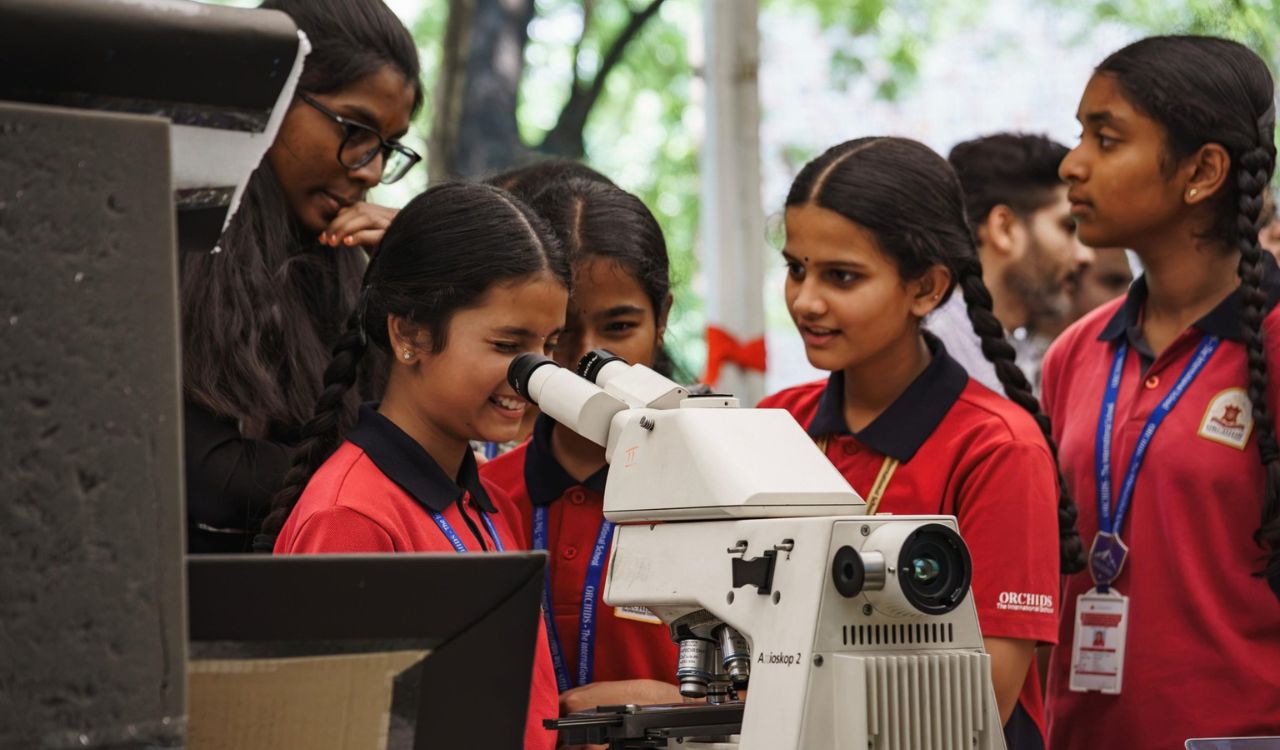
For a long time, Kashmiri exporters of Pashmina shawls faced legal hurdles and shipment seizures because traditional testing methods, which rely on light microscopy, often failed to accurately distinguish between legal Pashmina and trace amounts of illegal Shahtoosh, causing months of delays in customs.
As an alternative to traditional methods, the CCMB research team led by Dr Karthikeyan Vasudevan delved deeper and developed the DNA-based testing that looks for ‘biological blueprint’.
The CCMB laboratory, without destroying the shawl, collects microfibres and utilises Polymerase Chain Reaction (PCR) to amplify the DNA fragments, allowing them to identify even a single strand of illegal Shahtoosh.
The PCR technology has the ability to identify mitochondrial DNA, thus having the potential to detect the presence of wool from the protected Tibetan Antelope, even in highly processed, dyed or antique fabrics with 100 percent certainty.
DNA-certification from the local testing centre will go a long way in reviving and also establishing a gold standard for Kashmiri Pashmina brand, the researchers believe.

Related News