Edit: A welcome correction by India’s Supreme Court on the Aravallis
The fact that the SC felt it necessary to constitute a new expert committee to review not only the findings of the earlier panel but also to clarify other issues suggests that the report was prepared in haste
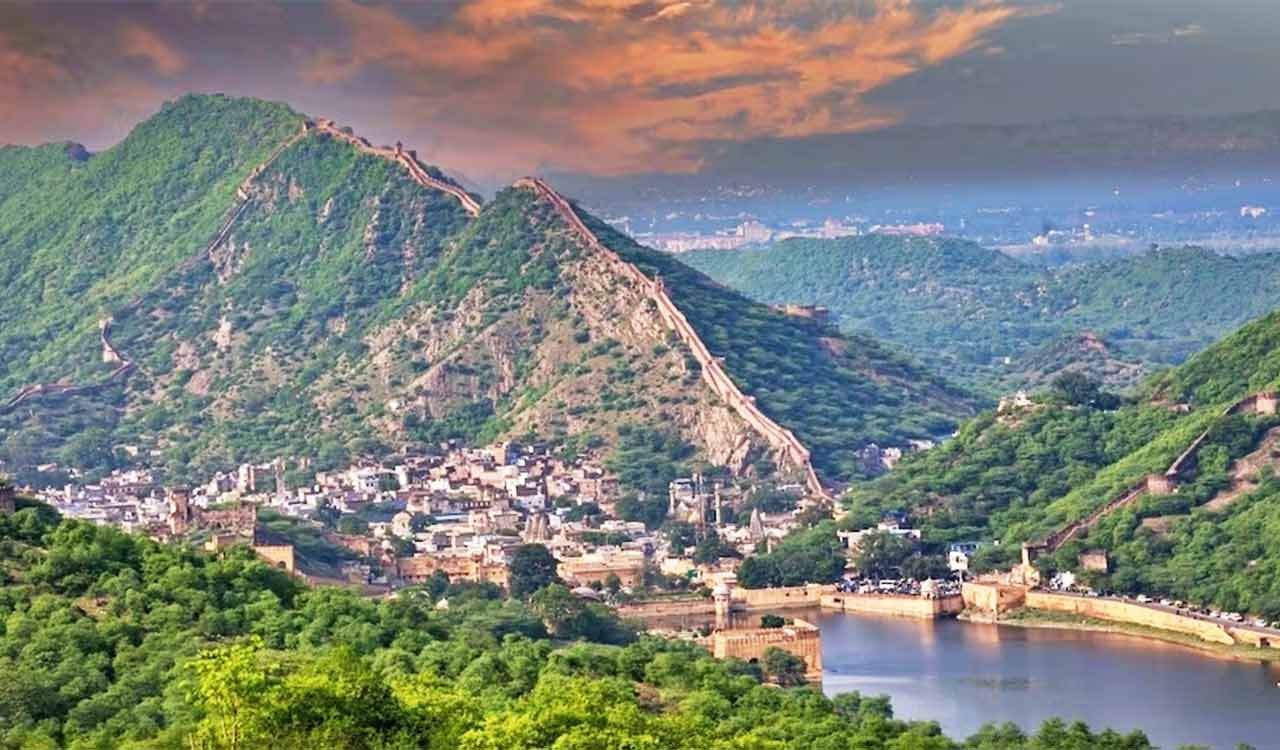


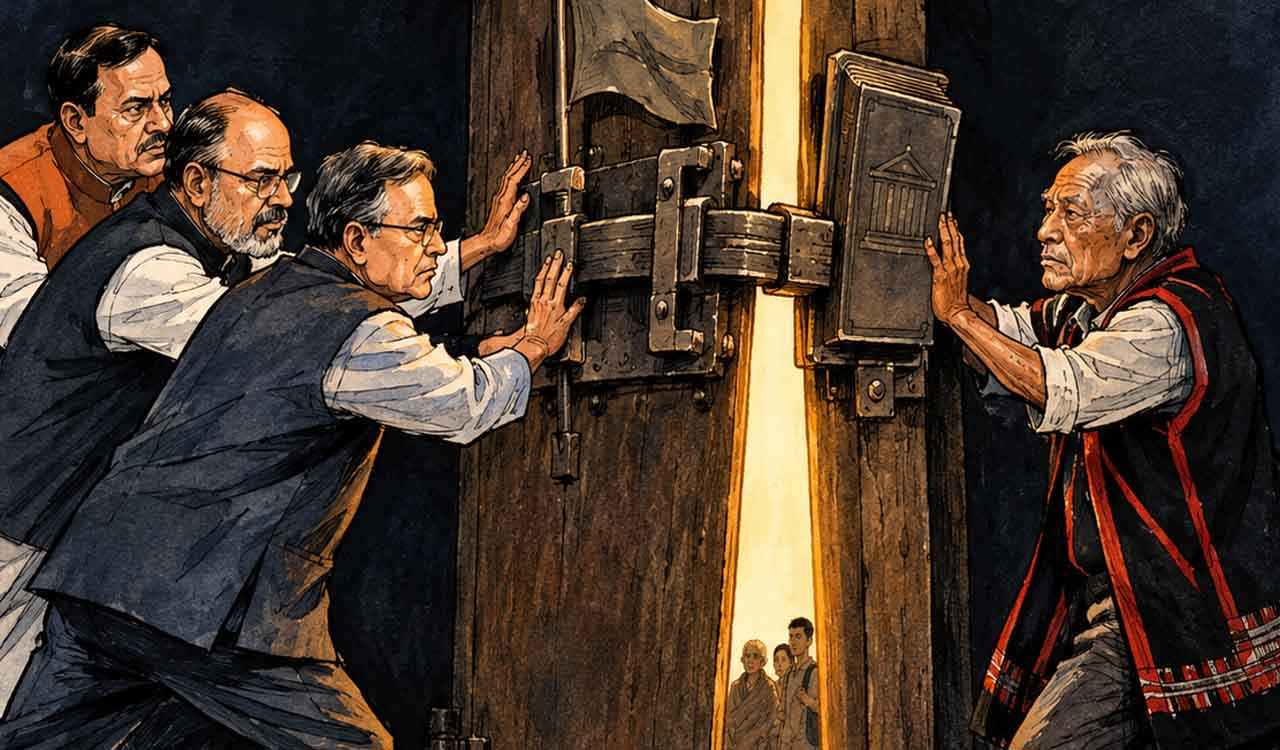
It is not very often that the country’s top court reverses its own order, that too on a suo moto basis. And, it is particularly rare for a Supreme Court Bench to stay the decision of an earlier Bench of equal or higher bench strength. The recent move by the SC Bench, headed by Chief Justice Surya Kant, staying an earlier order on the Aravalli Hills issue is truly unprecedented. It is particularly significant that the latest decision was not based on a conventional review petition by any aggrieved party but came as a suo moto case. The earlier order of the apex court, issued on November 20, had accepted the 100-metre height definition for the Aravalli Hills. This has now been set aside by the CJI-led Bench, citing “public dissent and criticism arising from ambiguity and lack of clarity”. The court has also directed the constitution of a high-powered expert committee with domain experts to resolve all critical ambiguities. The November 20 order, issued by the three-member Bench headed by former Chief Justice of India BR Gavai, gave its nod to the new definition for the mountain range proposed by the Ministry of Environment and Forests. As per this definition, any landform that is at an elevation of 100 metres or more above the local profile will be considered as part of the Aravalli Hills, along with its slopes and adjacent land. This is seen by the environmentalists, social activists, and local people as a big blow to the conservation efforts.
This elevation-based definition could potentially leave more than 90% of the forest range vulnerable to mining and construction. The 100-metre benchmark and the use of local profile — the immediate surroundings of a hill — as the measuring base rather than a standardised baseline such as the State’s lowest elevation, would result in a very significant part of the Aravalli range not being counted as Aravalli anymore. According to the Forest Survey of India’s internal assessment, the new definition would cover only 1,048 of the overall 12,081 Aravalli Hills that are 20 metres or higher. The latest suo moto intervention by the apex court highlights how the top judiciary is committed to its role as a guardian of the country’s environment and has earned public appreciation. The fact that the SC felt it necessary to constitute a new expert committee to review not only the findings of the earlier committee but also to clarify other issues suggests that the earlier report was prepared in haste. The suo motu cognisance also means that the government’s public response was not convincing. Over decades, several hillocks of the Aravallis, India’s oldest mountain range, have vanished due to illegal mining and deforestation, leading to a loss of an ecosystem that is most crucial for the survival of not just mankind but also for wildlife.
Also Read

Related News