Editorial: Address environmental concerns over data centres
India’s expanding data centre ecosystem is placing a significant strain on water and energy resources
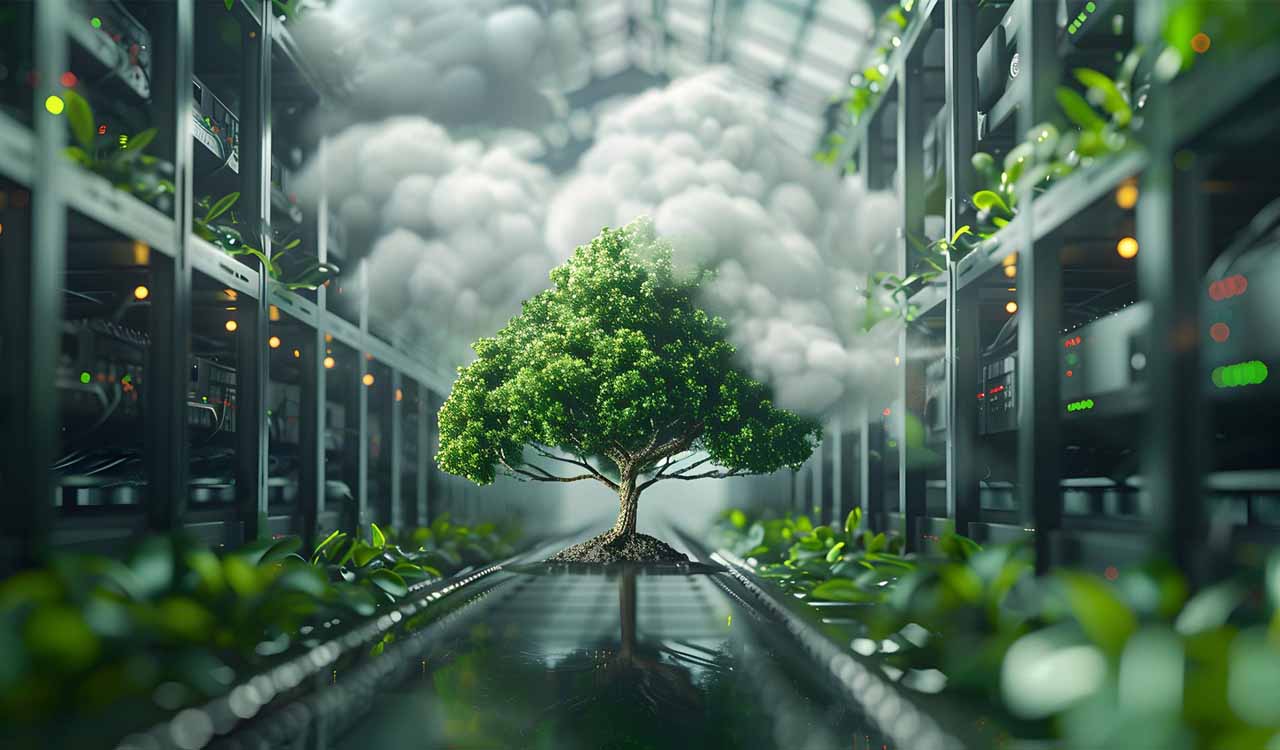


India’s digital dreams have hit a paradox: the need to rapidly expand data centres to support artificial intelligence and cloud computing infrastructure clashes with the imperatives of environmental protection. This is because the data centres are massive guzzlers of water and electricity. The central government must address concerns about the adverse environmental impact of new-age behemoths. Technology giants are racing to expand data centres to support AI, consuming more resources and adding to the woes of the communities facing water shortages. For instance, the daily water requirement for a 100-megawatt data centre will be equivalent to the needs of approximately 6,500 households. India’s growing data centre ecosystem could consume nearly 37.5 billion litres of water annually — equivalent to the yearly needs of around 8 lakh people, based on urban consumption norms set by the Central Public Health and Environmental Engineering Organisation. The estimate, made by the NatConnect Foundation, has raised alarm among environmental groups, which have flagged the potential implications for water security, particularly in urban areas already facing periodic shortages. The rapid scaling up of digital infrastructure, driven by AI and cloud services, could exacerbate stress on already limited freshwater resources. India’s data centre capacity has expanded significantly in recent years, rising from 375 megawatts in 2020 to over 1,500 megawatts in 2025, reflecting the rapid digitalisation of the economy and growing demand for cloud-based services.
One way to mitigate the problem is for developers to deploy advanced cooling systems to reduce both water and energy consumption. Along with this, the industries must be encouraged to adopt rainwater harvesting, reuse treated wastewater, and digitally monitor groundwater resources to improve efficiency and reduce reliance on fresh water sources. Experts note that while technological improvements can help curb consumption, the scale of growth in AI and cloud services means that water usage will remain a critical issue requiring continued oversight and policy attention. The aim should be to ensure that the expansion of digital infrastructure aligns with environmental sustainability goals. Integrating data centres into energy, water, and land-use planning can help turn sectoral growth into a sustainable digital asset rather than a systemic risk. Despite accounting for nearly 15% of the world’s internet users, India hosts only 3% of the world’s data centres. However, this share is projected to rise due to India’s large and growing demand base, data localisation regulations, swift digitisation, and an established IT services ecosystem that is increasingly adopting AI-driven processes. The central government has been actively pushing the data centre growth through initiatives like ‘IndiaAI Mission’ and a wide range of subsidies. This policy signals that data centres are being positioned as core digital infrastructure for India’s next phase of growth, which, through AI, could drive innovation and have a multiplier effect on the economy.
Also Read

Related News