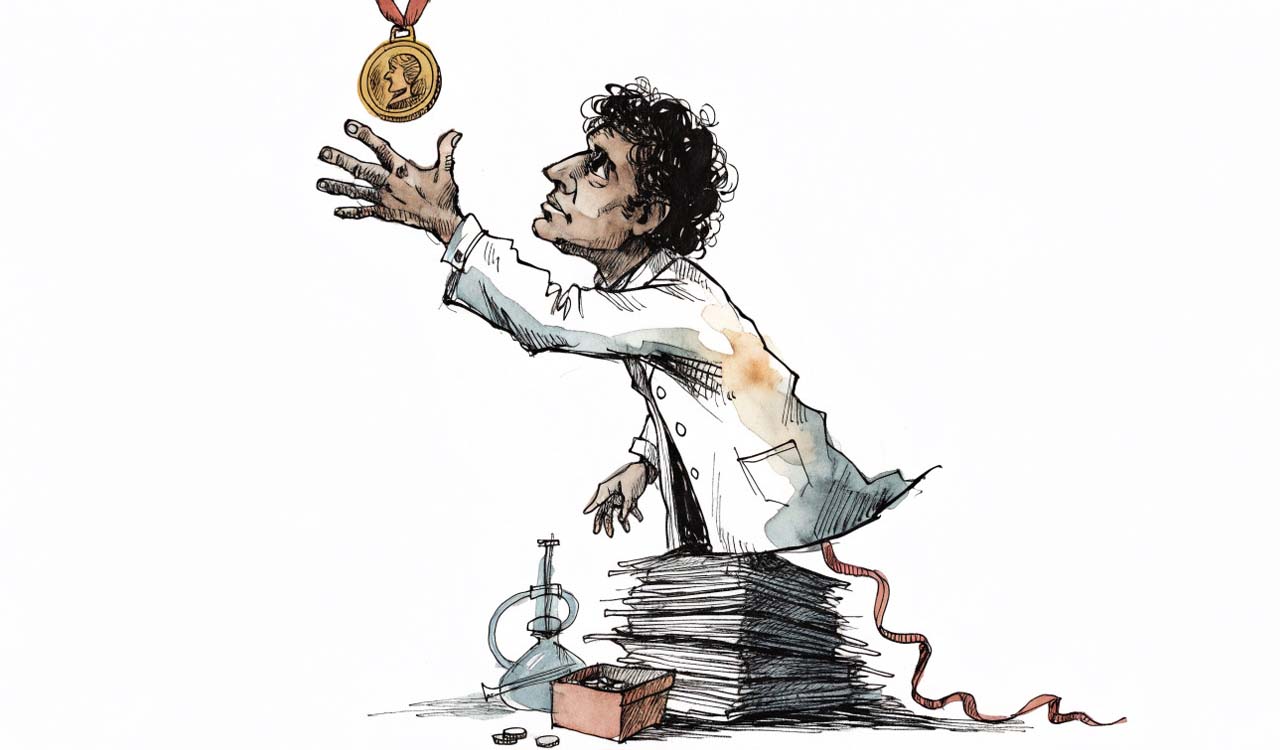
Editorial: India’s semiconductor dreams get a push
Tata Electronics signing an MoU with Dutch semiconductor giant ASML for its plant in Dholera marks a major milestone in India’s semiconductor manufacturing ambitions
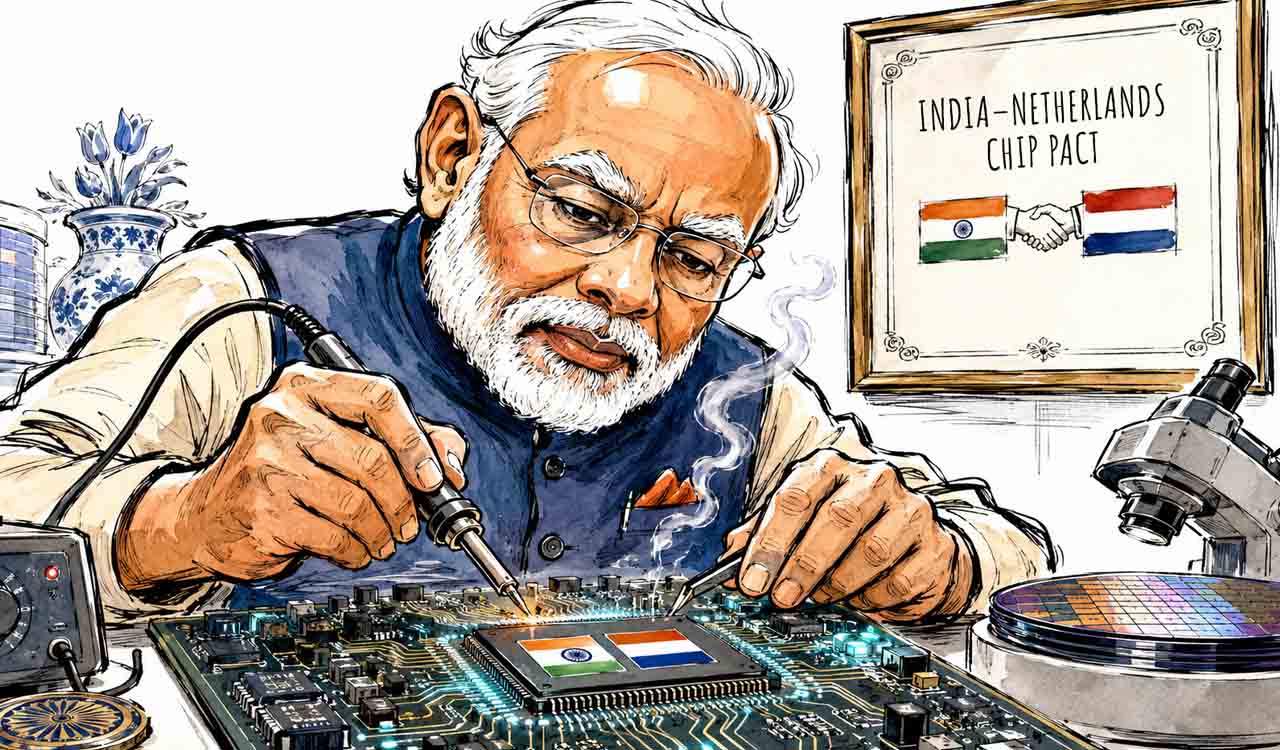


Though India aspires to become a global semiconductor hub, it lacks a robust and integrated supply chain for the semiconductor industry, which involves the availability of raw materials, equipment, components, testing facilities, and skilled manpower. It imports all chips, and only a few elements of the semiconductor supply value chain are available indigenously. The complexity and capital intensity of semiconductor manufacturing are major barriers, with a new fab costing over $1 billion to build. It is here that the cooperation with the Netherlands assumes strategic significance, as the Dutch company ASML is an undisputed global titan of semiconductor lithography equipment and occupies a near-monopoly position in the global chip ecosystem. It is no wonder, then, that cooperation in the semiconductor sector formed the key focus during Prime Minister Narendra Modi’s recent visit to the Netherlands. India’s dream of becoming a global chip manufacturing superpower is fundamentally tethered to the goodwill and supply chains of this Dutch enterprise. Without ASML, the mega-fabs currently breaking ground on Indian soil cannot produce most semiconductors. The visit came at a time when semiconductors have become the new geopolitical currency of power, shaping economic competitiveness, military capability, artificial intelligence, and digital sovereignty. With Dutch companies facing increasing restrictions on exports to China under pressure from Washington, India has emerged as an attractive hub because it is a democratic, politically stable, and strategically aligned alternative manufacturing destination within the broader “China-plus-one” framework. Dutch semiconductor firms are actively exploring diversification opportunities outside China, while Indian officials are encouraging the Netherlands to view India as a long-term production and innovation base.
During Modi’s visit, Tata Electronics signed an MoU with ASML to support the establishment and ramp-up of its upcoming 300 mm semiconductor fabrication plant in Gujarat’s Dholera, marking a giant step in India’s semiconductor manufacturing ambitions. The significance of this partnership extends beyond hardware and manufacturing. The Netherlands offers India access to an entire ecosystem of semiconductor innovation involving research universities, photonics clusters, precision engineering firms, and advanced design capabilities. Such collaboration could help India avoid the mistake of becoming merely a low-cost assembly base. Instead, India aims to move up the value chain toward chip design, semiconductor R&D, advanced materials, and AI-integrated manufacturing systems. India’s foreign policy has now shifted from traditional diplomacy centred on trade and politics towards what is being called “technology diplomacy”. Triggered by widening trade restrictions linked to the ongoing technology rivalry between the US and China, European equipment manufacturers are increasingly looking for stable, neutral territories. India has been aggressively pitching a China-plus-one manufacturing strategy to these suppliers, inviting them to view India as their primary alternative production hub. India’s lucrative subsidy programme, which covers up to 50% of project costs from the central government, alongside an additional 20% to 25% from State governments, makes the proposition financially irresistible for the ecosystem of suppliers.
Also Read

Related News