Editorial: Anatomy of India’s fire tragedies
The Lucknow fire tragedy once again highlights persistent failure to effectively enforce fire safety regulations, exposing systemic lapses that continue to put lives at risk
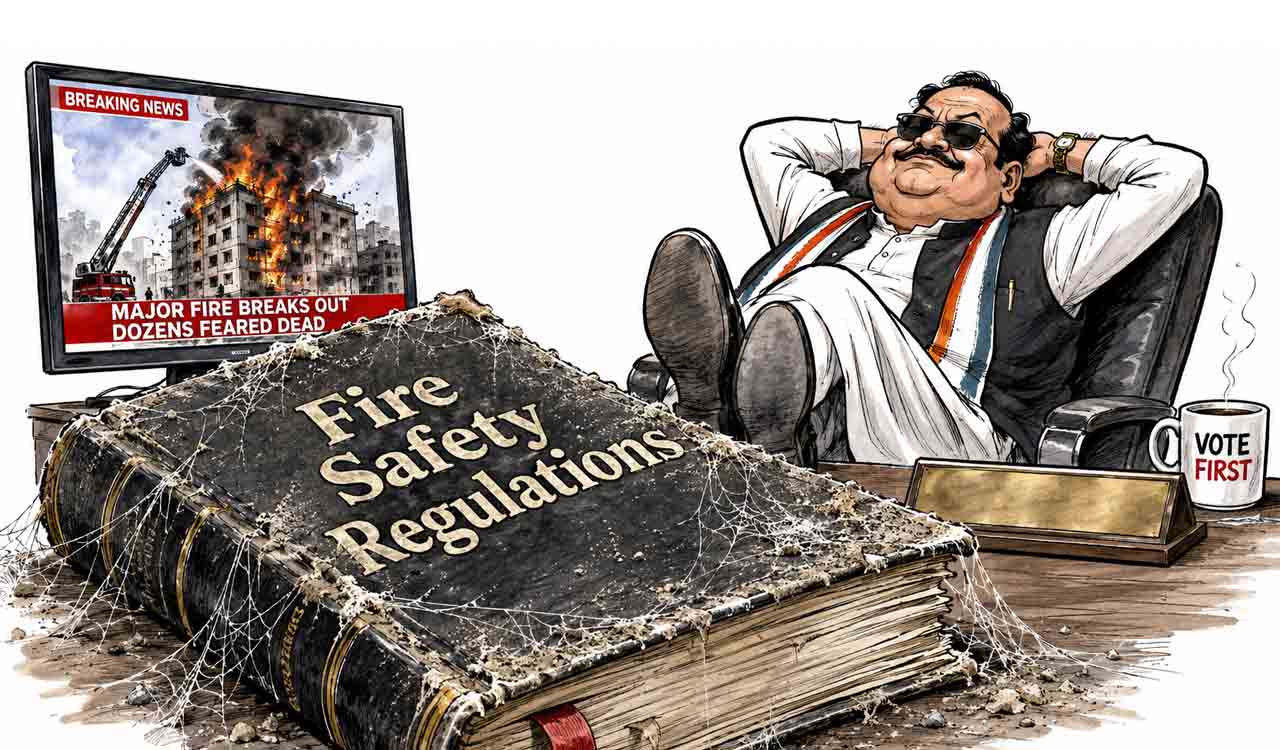


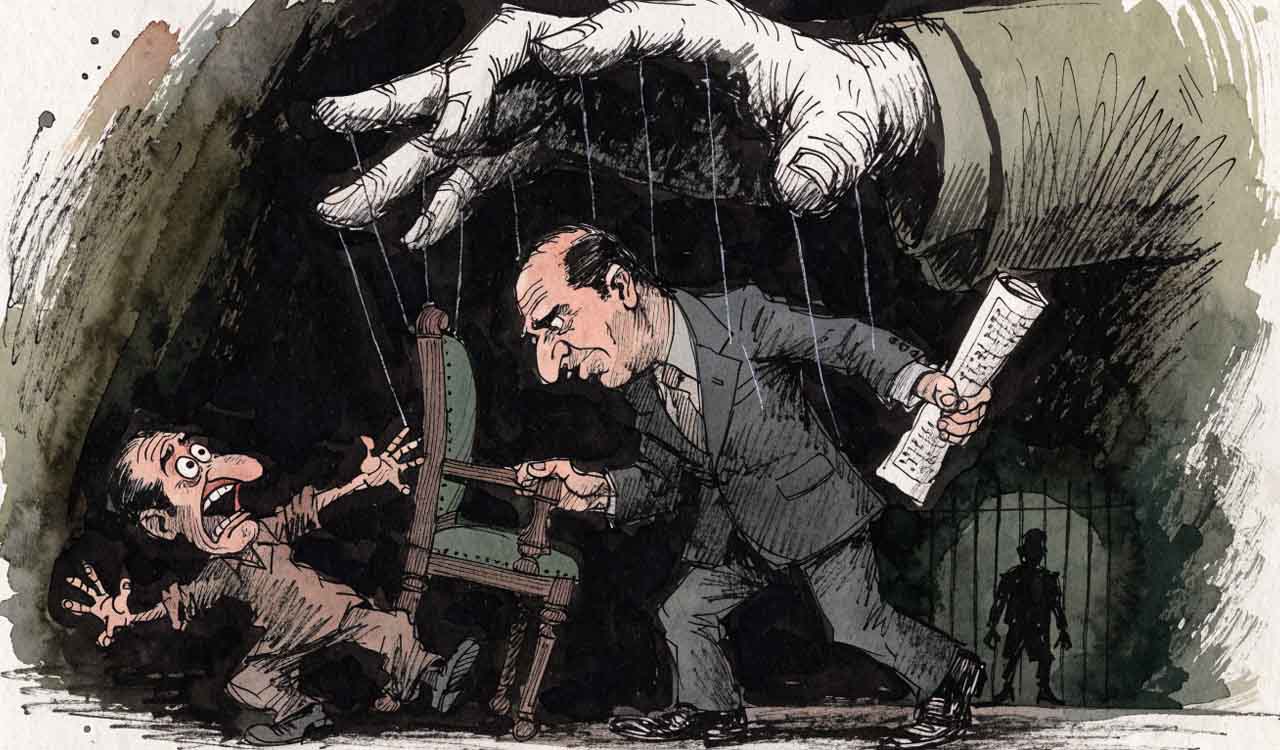
Most fire accidents in India are preventable, provided there is a strict enforcement of safety norms and building standards. However, it has become a disturbing customary practice to discuss the efficacy of safety standards in big cities only when a major mishap occurs. After a round of routine condemnations and constitution of expert committees to probe the causes, it is back to business as usual. Accountability is never fixed, and lessons are never learned. The latest tragedy in Lucknow came as yet another grim reminder of how systemic lapses and criminal neglect create a perfect recipe for disaster. At least 15 people, mostly students and young professionals associated with an animation training centre and a gaming zone, died as the blaze tore through a three-storied commercial building in the city’s Aliganj area. Firefighters battling through the blaze were allegedly unable to enter through the building’s only access route. The accident exposed lapses on the part of municipal authorities and reignited concerns over smaller buildings that are converted into bustling commercial hubs but remain outside the ambit of mandatory fire safety audits. Preliminary findings indicate that the building, approved as a residential structure, had allegedly been operating as a commercial establishment for over a decade in violation of regulations. Though the government has suspended four officials, ordered the arrest of three building owners and constituted a Special Investigation Team to probe the incident and fix accountability, these routine reactive measures do not inspire public confidence that such tragedies will not recur in future.
From Uphaar to Malviya Nagar, from Kolkata hotels to Rajkot gaming zones and Delhi’s children’s hospital — the fire tragedies have followed an eerily identical script. India does not lack fire safety knowledge or rules. It lacks the will and capacity to enforce them. The location and details of these incidents may vary, but the anatomy of the disaster does not: Overcrowded premises, illegal structures, lack of fire exits, missing NOCs, locked staircases, and a rescue that comes too late. The latest tragedy has once again brought into focus the urgent need for robust enforcement measures to avert such mishaps. Buildings get permission for one use — residential, in Lucknow’s case — and are then converted into commercial, institutional, or mixed-use spaces without fresh approval or fire clearance. Floors get added illegally, fire exits get converted into storage rooms or extra classrooms, and single staircases serve buildings that need at least two independent escape routes. This is rarely a secret. A dangerous mix of building violations, inadequate fire safety measures, regulatory lapses and delayed compliance with court-mandated safety reforms has created a recipe for disaster. Laxity in enforcing safety norms is inexcusable. From factories and coaching centres to hospitals and entertainment venues, many of the country’s deadliest blazes have exposed a persistent gap between safety rules on paper and their implementation on the ground.
Also Read

Related News