Editorial: India’s fire tragedies raise burning questions
The deadly Delhi fire mishap once again shows that accountability is never fixed and lessons are never learned; after routine condemnations and inquiries, it is back to business as usual
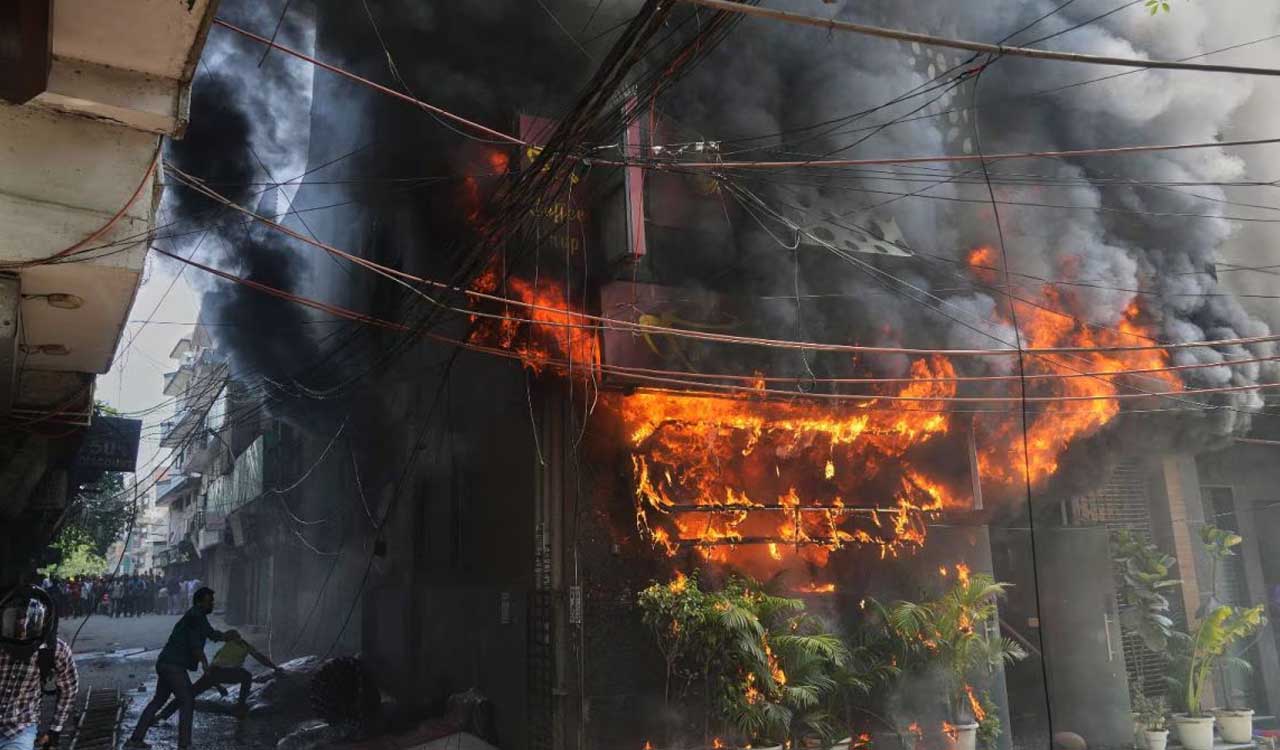


The devastating fire that tore through a Delhi hotel, claiming the lives of 21 people, including six foreign nationals, was a tragedy waiting to happen. It was a classic case of how blatant violations of safety norms and callousness at all levels result in mishaps that could otherwise have been avoided. It has become a disturbing practice in India to discuss the efficacy of safety standards in big cities only when a major mishap occurs. After a round of routine condemnations and the constitution of expert committees to probe the cause, it is back to business as usual. Accountability is never fixed, and lessons are never learned. From Uphaar to Malviya Nagar, from Kolkata hotels to Rajkot gaming zones and Delhi’s children’s hospital — India’s fire tragedies follow an eerily identical script. The details may vary, but the anatomy of the disaster does not: Overcrowded premises, illegal structures, lack of fire exits, missing NOCs, locked staircases, inflammable décor, and rescues that come too late. The tragedy at ‘Flourish Stay’ in South Delhi’s Malviya Nagar, a bed-and-breakfast facility catering to patients and relatives of those receiving treatment at a nearby private hospital, has brought into focus the urgent need for robust enforcement measures to avert such mishaps. A dangerous mix of building violations, inadequate fire safety measures, regulatory lapses and delayed compliance with court-mandated safety reforms has created a recipe for disaster. As investigators piece together the circumstances behind one of the national capital’s deadliest fire tragedies in recent years, emerging details suggest that the building had become a virtual death trap long before the fire broke out.
Several things were wrong with this semi-illegal structure in one of the city’s most congested areas. The hotel had just one entry and exit point and did not possess a valid NOC (No Objection Certificate) from the fire department. It has now emerged that the hotel management had raised additional floors without informing the authorities. Once the fire blocked the way, hotel guests had no escape route and were forced either to stay put or jump from windows. Videos showed some people leaping from the burning building to save their lives. Ironically, just five months ago, the Delhi High Court had directed city authorities to urgently address concerns over inadequate fire safety measures in hotels, restaurants and other hospitality establishments across the capital. However, the authorities are yet to comply with the court’s order, which required them to formulate a comprehensive action plan to strengthen safety standards and prevent fire-related tragedies. Laxity in enforcing safety norms is inexcusable. From factories and coaching centres to hospitals and entertainment venues, many of Delhi’s deadliest blazes have exposed a persistent gap between safety rules on paper and their implementation on the ground. Investigations have repeatedly pointed to lax inspections, faulty electrical systems and buildings operating beyond their approved use.
Also Read

Related News