Editorial: Cautious optimism over Trump’s peace deal
US-Iran peace deal raises hopes, but the war’s unpredictable twists and turns cast doubt on its chances of success
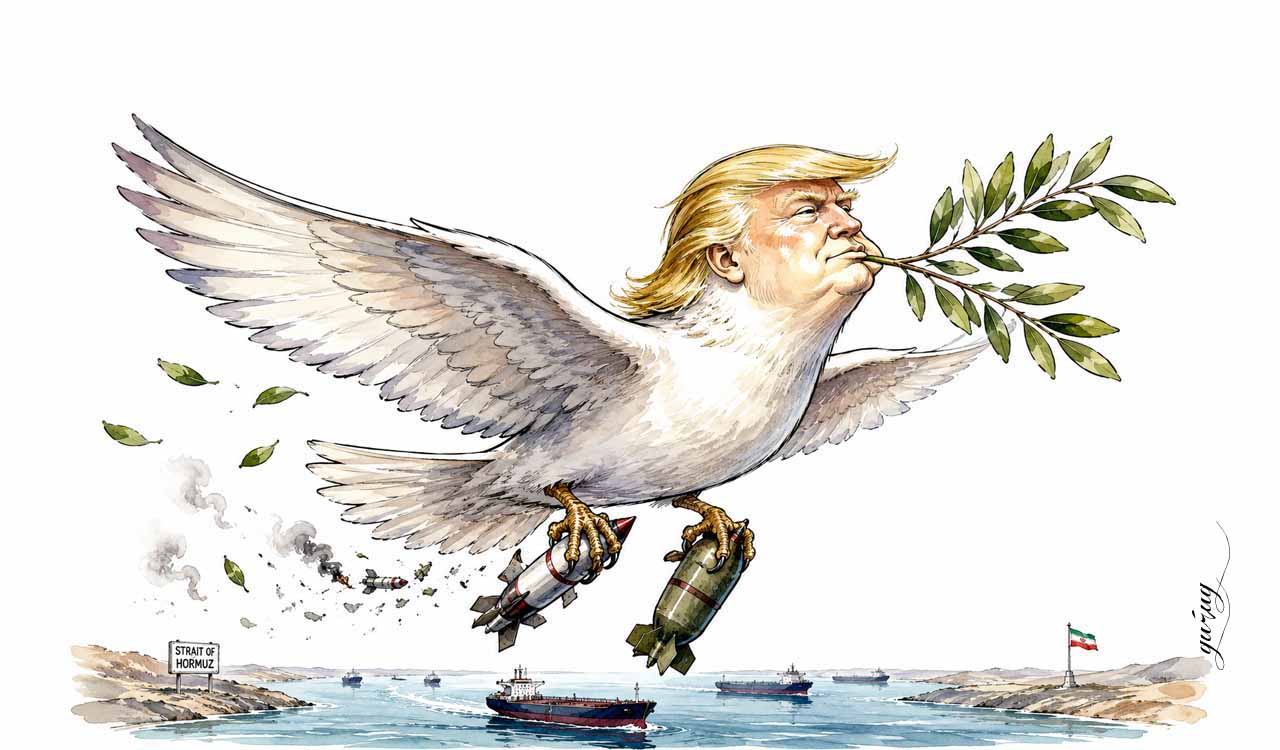


The US-Iran peace deal has come as a birthday gift for United States President Donald Trump, but wrapped in layers of unpredictability. The announcement about the agreement to ‘end military operations on all fronts, including Lebanon’ was first made by Pakistani Prime Minister Shehbaz Sharif, and was followed by a self-congratulatory post from Trump, who turned 80 on Sunday. But the initial response from Tehran was rather muted and guarded. The details of the deal were not immediately forthcoming. Given the twists and turns that the war in West Asia has taken, ever since the US and Israeli forces launched ‘Operation Epic Fury’ against Iran on February 28, and the shifting positions of the Trump administration, there are doubts within the international community about whether the deal will be successful. For now, the announcement of a cessation of hostilities has raised hopes that further negotiations will lead to a permanent and lasting peace. The immediate positive outcome is the reopening of the Strait of Hormuz, a crucial waterway through which about 20% of the world’s oil and gas supplies are transported, and a significant fall in crude oil prices. A formal signing of the agreement is slated for June 19 in Switzerland. The deal is expected to halt fighting for 60 days, open the Strait of Hormuz, and lift the US naval blockade on Iranian ports. But it would leave the thorniest nuclear issues for another day. Each side sought to portray the agreement as a diplomatic victory.
However, some of the most contentious issues — including the fate of Iran’s nuclear programme, and sanctions relief for Tehran — remain unresolved and have been pushed to a further round of negotiations. Iran also needs comprehensive sanctions relief and access to tens of billions of dollars in frozen oil revenues. While US vice-president JD Vance said the agreement would ensure that Iran would never have a nuclear weapon, Tehran stuck to its aggressive posturing and framed the agreement as its victory. As they work out the final details in the coming days, negotiators will have to deal with detractors in both the US and the Middle East. Several conservative voices have urged Trump not to trust Iran, and, likewise, hardliners in Iran have argued against cutting a deal with America. But economic benefits to both countries could be significant if a deal is clinched. Since the war began in February, rising energy prices have increased costs for millions of Americans. And the US blockade of Iranian ships has throttled Tehran. Reopening and normalisation of shipping through the Strait of Hormuz would provide significant relief for India, one of the world’s largest crude oil importers, by easing concerns over oil supplies, lowering freight costs, and reducing inflationary pressures. A reduction in tensions would likely help stabilise global energy markets and improve the outlook for energy-importing nations.
Also Read

Related News