Editorial: Modi’s outreach to youth
The Prime Minister's Independence Day address reflects the flavour of the season, but the larger question is whether youth discontent will be viewed merely as an issue of jobs, education and technology, or whether the government is willing to understand it as a deeper demand for accountability and responsiveness
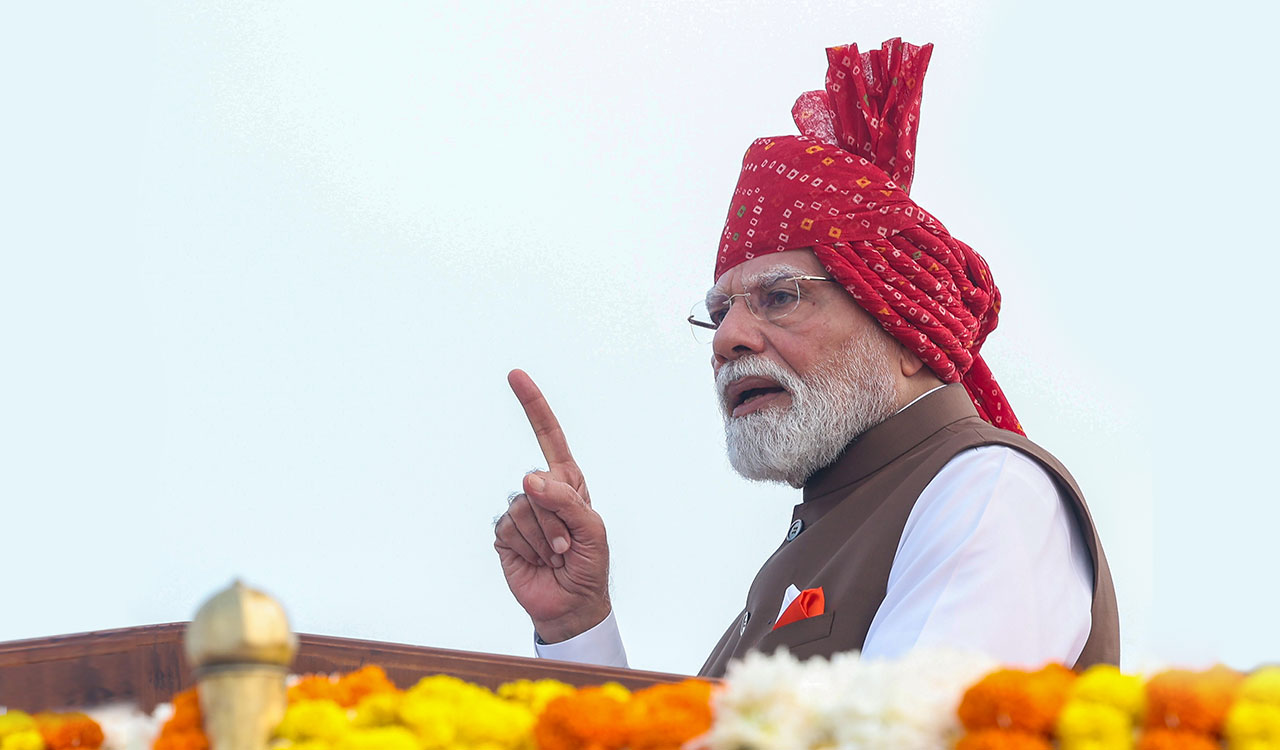


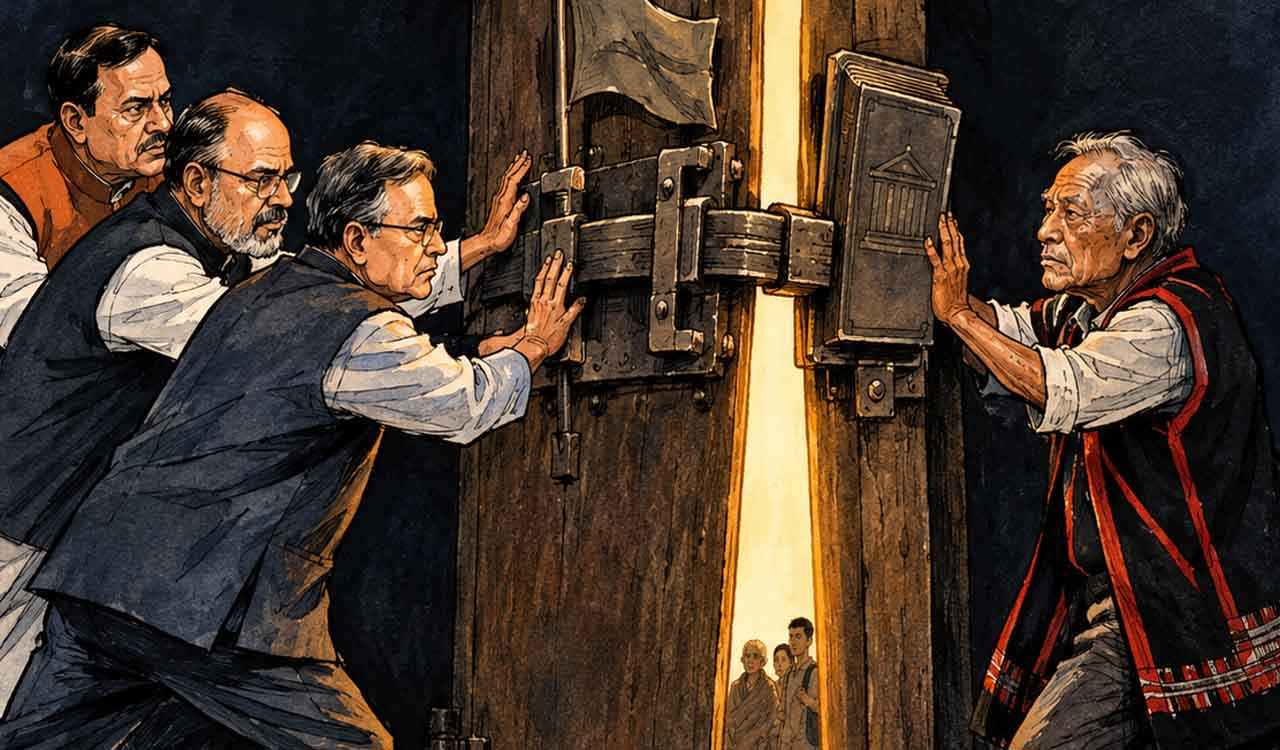
Prime Minister Narendra Modi’s focus on the youth in his Independence Day address reflects the flavour of the season. It acknowledges the growing restlessness of Gen Z, but it remains to be seen whether the government will walk the talk on the big promises made from the ramparts of the Red Fort. Symbolic gestures and grand announcements would mean nothing if not followed by concrete, measurable action plans. The long-pending reforms in the education sector will help the youth prepare for jobs in emerging technology and innovation economies. Modi’s outreach to the youth included a promise to offer free online coaching for competitive exams and AI skilling programmes in an attempt to address post-globalisation anxieties. The big shift in the Prime Minister’s political messaging came days after Gen Z-led protests over exam paper leaks, and unemployment forced the resignation of Dharmendra Pradhan as Education Minister. Addressing the challenges facing the youth, from employment worries to the incursion of artificial intelligence in everyday life, Modi promised that more than one crore youth would be provided AI skills in a “mission mode” drive over the coming year and the country’s digital public infrastructure would be used to provide free online coaching to students wishing to take various competitive exams. Also, there will be a nationwide sports talent hunt among children between five and 15 years of age ahead of the 2036 Olympic Games. The problem is that these themes have appeared repeatedly in election manifestos, government budgets and policy promises across states.
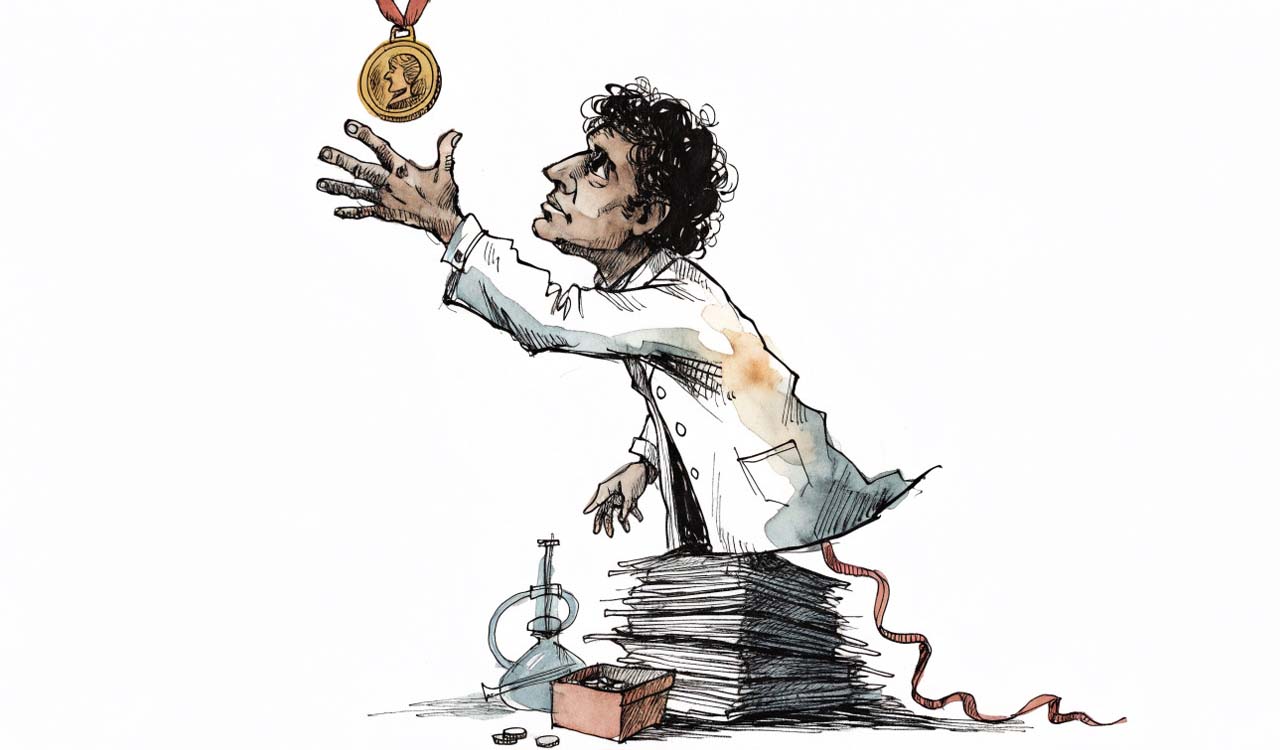
Employment, education infrastructure, online learning and, increasingly, AI have become recurring features of political messaging. The real question is not what is being promised, but how much of it is actually being implemented. The larger question is whether youth discontent will be viewed merely as an issue of jobs, education and technology, or whether the government is willing to understand it as a deeper demand for accountability and responsiveness. The Mood of the Nation tracker has been highlighting that inflation and unemployment are major concerns and need to be resolved. The youth would account for a third of voters in the 2029 general elections. Since they are bound to influence the outcome of the polls, the issues that concern them–education reforms being one of them–must be addressed on a mission mode. The biggest structural weakness of India’s education system begins much before competitive examinations. It has traditionally rewarded memorisation rather than understanding; marks rather than competence; examination performance rather than creativity; conformity rather than questioning; coaching rather than independent learning. The irony is that India can produce millions of students who obtain degrees while many do not acquire adequate communication, quantitative reasoning, problem-solving, digital or workplace skills. The multi-crore coaching industry has become a parallel education system and is particularly powerful because the formal education system does not adequately prepare students for high-stakes examinations.
Also Read

Related News