Editorial: Cementing strategic ties between India-Russia
President Putin's visit, the extraordinary bonhomie that marked his meeting with Modi, and a flurry of agreements signed demonstrated the inherent strength of India-Russia relationship
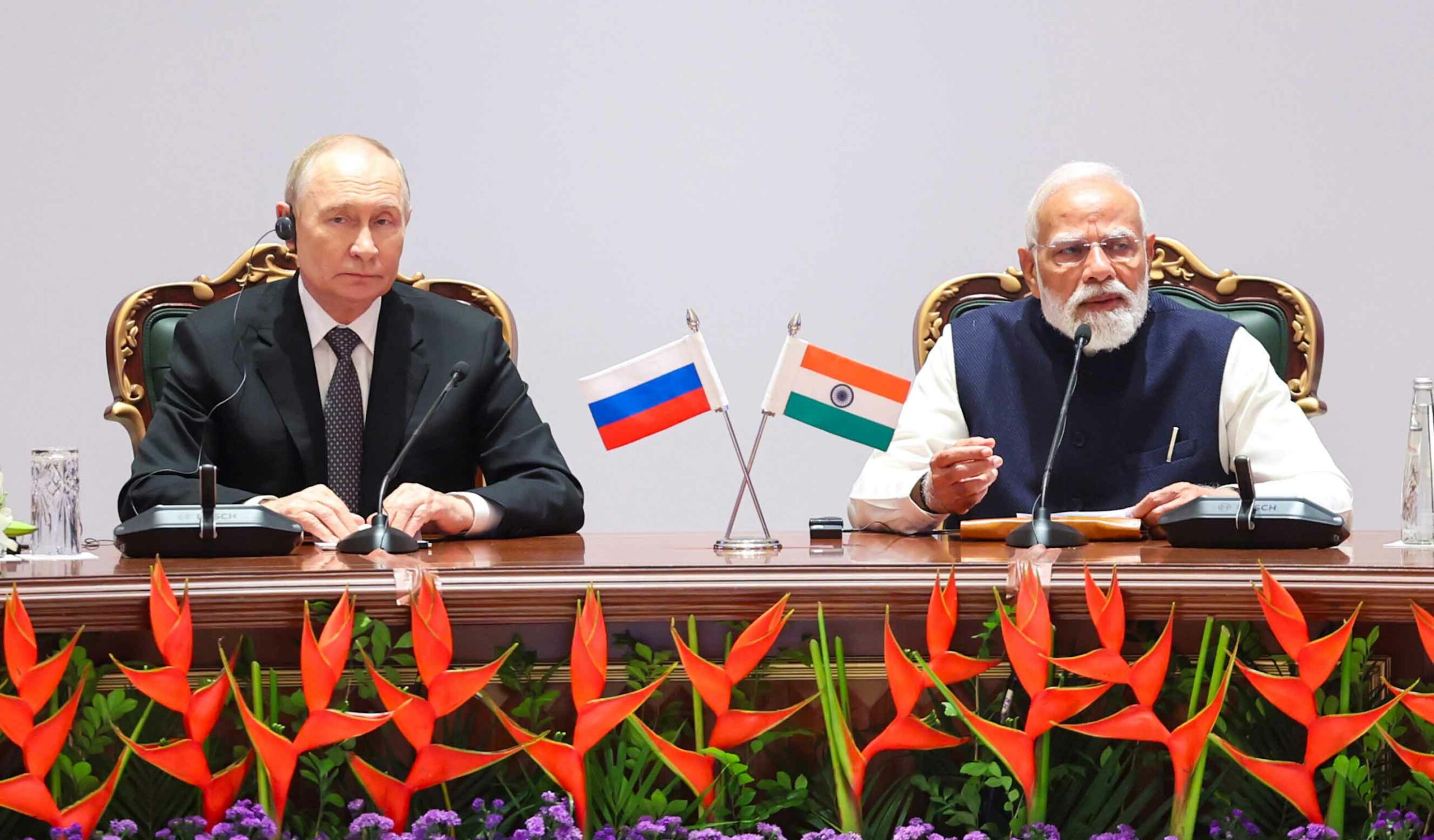


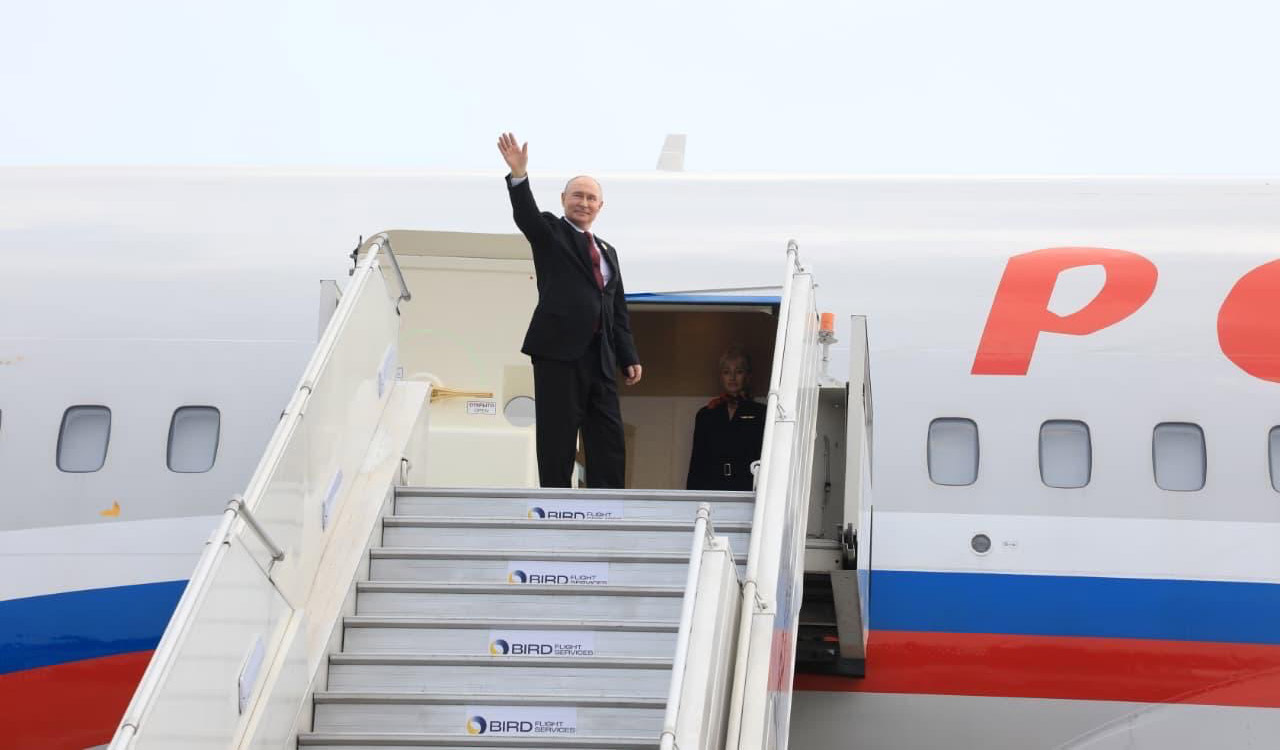
What makes the India-Russia bilateral relationship more fascinating is that both countries have remained friendly and cordial despite the growing pressure on them due to the rapidly changing global geopolitical scenario. Though not on the same page on several international issues — the Ukraine war being the latest point of disagreement — their ties have withstood the test of time, weathered many a storm, and remained robust in an otherwise uncertain and unforgiving world. The terms of engagement may have changed over the years, but the India-Russia ties have remained strong and formidable. The recently concluded visit of Russian President Vladimir Putin, marked by the extraordinary bonhomie of his meeting with Prime Minister Narendra Modi and a flurry of agreements signed, demonstrated the inherent strength of the relationship. His visit for the 23rd Annual Summit came amid a profound churn in global politics, marked by the continued war in Ukraine and United States President Donald Trump’s unpredictable tariff salvos. On display during Putin’s visit was India’s deft diplomatic skills in managing a complex geopolitical terrain of shifting alignments, with the safeguarding of its strategic autonomy as a guiding principle. Significantly, Putin, on his first trip to New Delhi since the Ukraine war began, has promised that Moscow was ready to ensure uninterrupted shipments of fuel to India, which is the world’s third largest consumer of crude oil. New Delhi has been buying large volumes from Russia at discounted prices since the Kremlin’s full-scale invasion of Ukraine in 2022. However, some Indian firms have since started reducing oil imports from Russia to comply with American sanctions.
Bilateral agreements were signed, spanning several sectors, including shipbuilding, civil nuclear energy, health, and critical minerals. The two countries are confident of increasing the bilateral trade from the current USD 69 billion to USD 100 billion by 2030. India exports barely USD 5 billion a year to Russia, while bilateral trade reached about USD 69 billion by March 2025, driven almost entirely by India’s imports, particularly discounted crude oil. The joint statement noted that trade barriers must be removed and smoother payment mechanisms ensured to achieve the revised target of USD 100 billion by 2030. It also stated that the joint work on the free trade agreement on goods between India and the Eurasian Economic Union is being intensified. The labour mobility pact opens new avenues for Indian professionals to work across a wide range of sectors in Russia. It comes at a time when Russia is grappling with an acute labour shortage and the West — particularly the US — is restricting immigration. The value of defence cooperation with Russia was demonstrated most recently in the effective use of the S-400 system during Operation Sindoor. Russia is also an important partner in the development of nuclear power in India, and during the visit, Putin specifically referred to Russian willingness to collaborate with India on small modular reactors and floating nuclear power plants.

Related News