Editorial: Crisis in the air
Indigo's lackadaisical and nonchalant attitude in adapting to the new DGCA rules has led to the crisis
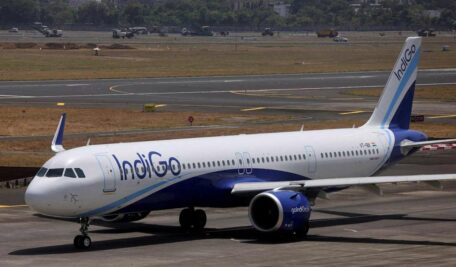


The IndiGo fiasco that led to chaos at airports across the country once again proves that it is always the common people who will end up paying the price for systemic failures in India, be it on the part of government regulators or private companies. Ironically, the regulations that were meant to protect the interests of the passengers turned out to be the reason for their untold hardship. IndiGo’s famed tagline “On-Time, Every Time” sounded like a cruel taunt at thousands of stranded passengers who were left confused, angry and helpless. Among them were the hapless patients who missed their doctor appointments, job-seekers who missed their interviews and a couple who missed their own wedding. India’s largest carrier, which controls over 60% of the domestic market, came as a completely clueless and unprofessional entity in the face of the meltdown following the abrupt cancellation of nearly 2,000 flights, causing all-around panic and confusion. Though IndiGo management has apologised for the serious “operational crisis” which it attributed to “misjudgement and planning gaps”, it cannot shirk from taking full responsibility for the avoidable disruptions. It must be made accountable for the suffering caused to the passengers. The problem was much more than a duty-scheduling issue or a pilot shortage. It was a complete collapse of communication as passengers — most of them had booked their tickets well in advance—were kept in the dark about the impending crisis. Clearly, the trouble resulted from underestimating the new Flight Duty Time Limitation rules, miscalculating crew requirements, and watching helplessly when the entire system buckled.
IndiGo, which operates about 2,200 flights a day, has been facing pilot shortages after it failed to adapt to the new pilot rest and duty rules introduced by the government early last year to improve the working hours of the pilots. The Flight Duty Time Limitations (FDTL) were originally meant to be implemented from June 1, 2024, but were deferred in March 2024 following resistance from airlines. Finally, the new FDTL was to be implemented in two phases — July 1, 2025 and November 1, 2025 — as informed by the Directorate General of Civil Aviation (DGCA). When the deadline arrived, there was complete chaos. IndiGo simply did not plan, though the norms were public knowledge for months. As a result, it was first forced to delay and later cancel flights, as there were not enough pilots available. At airports across the country, travellers were left to wonder what was going on. No proper announcements. No clear updates. No realistic timelines. No honest explanations. Despite a two-year preparatory window before full FDTL implementation, the airline inexplicably adopted a hiring freeze, entered non-poaching arrangements, maintained a pilot pay freeze through cartel-like behaviour, and demonstrated other short-sighted planning practices. It is this lackadaisical and nonchalant attitude in adapting to the new rules that led to the crisis.
Also Read

Related News