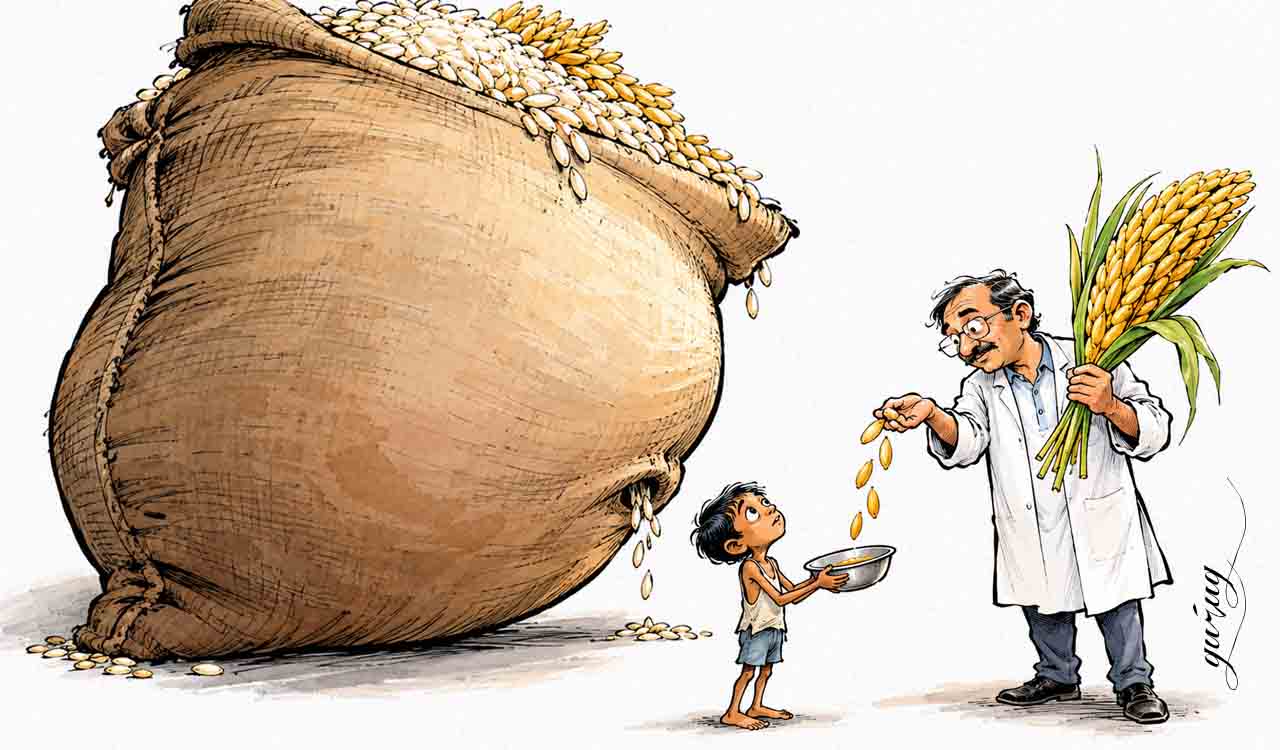
Editorial: Elderly care—Kerala shows the way
Kerala’s legislation is significant because it recognises elderly care as an enforceable legal right rather than merely a welfare measure dependent on budgetary allocations
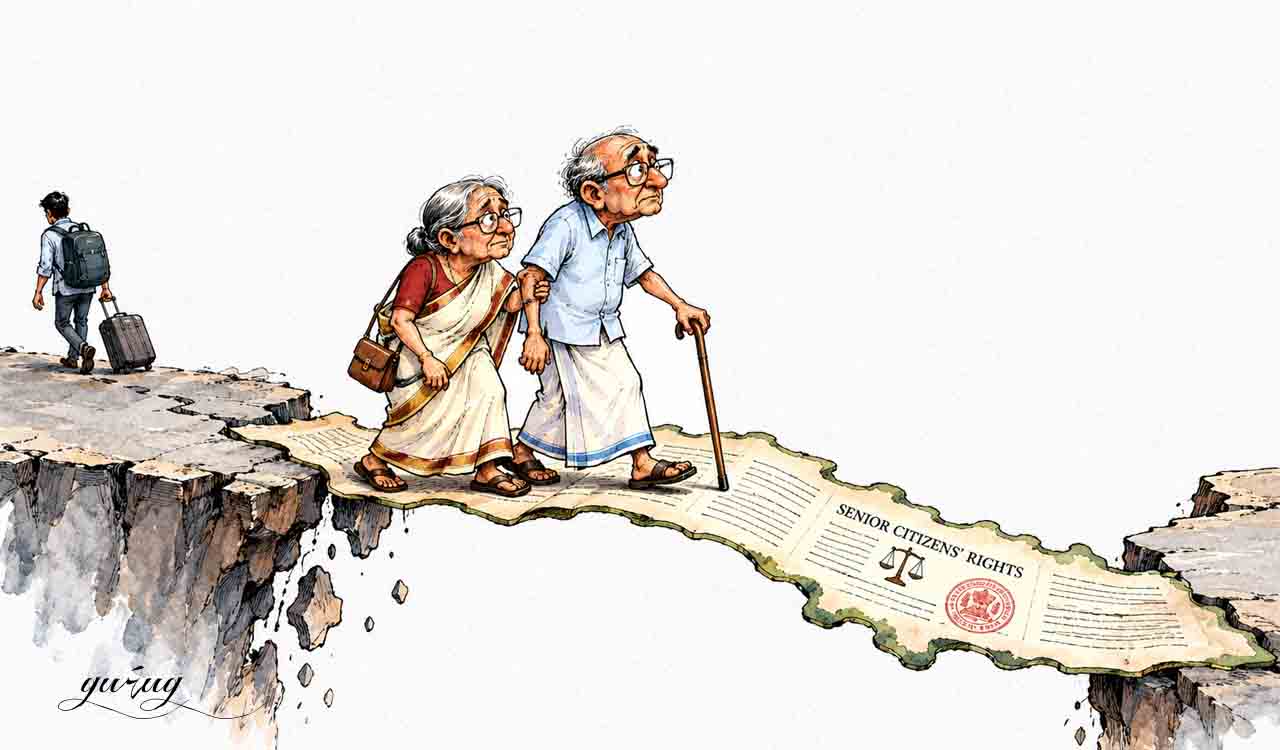


In a country that takes pride in its culture of respecting elders, it is ironic that older people often suffer the most in the twilight years of their lives—uncared for, neglected and exploited. More disturbing is the fact that several elderly people are abandoned by their own kith and kin. A recent national survey by HelpAge India has revealed that 35% of the senior citizens living with their families suffered abuse at the hands of their sons. Geriatric care in India also remains largely neglected. Against this grim backdrop, Kerala has shown the way for the rest of the country by introducing a noteworthy legislation to regulate old-age homes and home-care services, train caregivers, and establish state- and district-level protection units. The State Assembly recently passed the Keralam Senior Citizens’ Care and Protection of Rights Bill, 2026, which envisages setting up a legal framework to protect the rights, dignity, and social security of people aged 60 and above. The legislation is widely regarded as the most ambitious elder-care law proposed by any State. It adopts a comprehensive rights-based model that protects senior citizens from abuse, neglect, abandonment, and exploitation. It also regulates old-age homes, retirement facilities, and home-care agencies and proposes the establishment of State and district-level protection and grievance-redressal mechanisms. The migration of workers and rise of nuclear families have weakened the traditional systems of elder care, while a lack of financial independence further exacerbates their plight.
There was a time when the elderly were regarded as repositories of wisdom and respected for their guidance in difficult times. Now, their physical safety has become a challenge for society at a time when the elderly population grapples with not just age-related difficulties but also with the prejudices of the younger generation. India’s demographic trends indicate a growing elderly population. It is estimated that the 60-plus age segment will account for over 20% of the country’s population by 2050, rising from the current 11–12% to reach 347 million. The significance of Kerala’s legislation is that elderly care is framed as a legal right with enforcement machinery, not a welfare scheme dependent on budgets. The central law— Maintenance and Welfare of Parents and Senior Citizens Act, 2007—mostly deals with maintenance and abandonment. The Kerala law adds regulation of care homes, caregiver standards, cyber-fraud response, healthcare, digital access and end-of-life choices within a single framework. It seeks to move beyond a system that views senior citizens mainly as people who need family support or state welfare. Instead, it recognises their right to “live independently at home, with institutional care as the last resort”. Kerala is undergoing one of India’s fastest demographic transitions. The share of people aged 60 and above in the State rose from 12.7% in 2011 to 15% in 2021.
Also Read

Related News