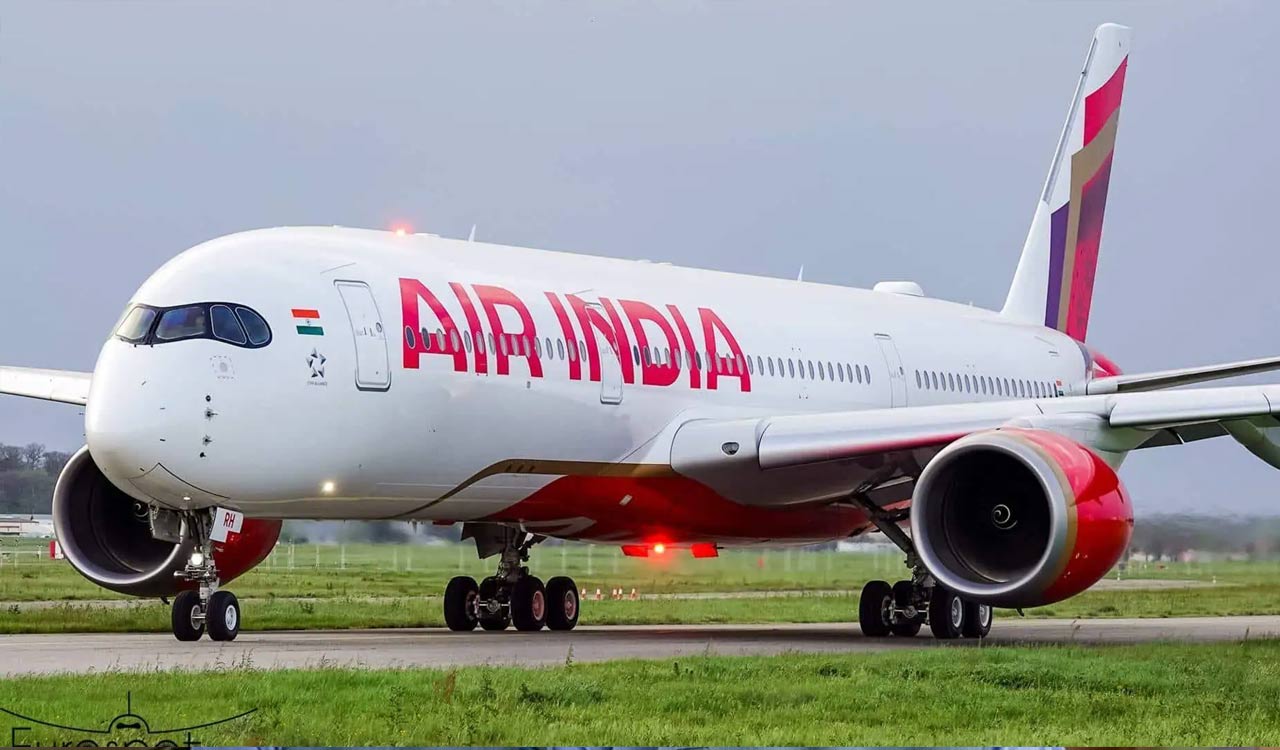
Editorial: End duopoly in aviation sector
Recent meltdown at IndiGo highlights how the duopoly has stymied the growth of the passenger aviation sector



Despite being the world’s third largest market —accounting for 241 million flyers in 2024 —the civil aviation sector in India is caught in continuous turbulence. The recent operational meltdown at IndiGo, the country’s largest carrier with over 60% market share, highlighted how the duopoly has stymied the growth of the passenger aviation sector. Air India and IndiGo have a domestic market share of over 90% cumulatively. The last couple of decades have seen the collapse of a string of private airlines as the industry has been moving from one crisis to another. In the current gloomy scenario, the latest decision of the Civil Aviation Ministry to give a go-ahead for two regional airlines is a welcome development to spur competition and growth. However, the full potential of the sector cannot be realised until the systemic challenges are addressed. They include high operating costs, fuel price uncertainty, infrastructure bottlenecks, a shortage of pilots and planes, and an ageing fleet. Regulatory weaknesses, high-cost structure, security concerns, and environmental impacts are the other concerns. Frequent flight cancellations, unprofessional handling of communication, poor route planning, fatigued pilots, and safety concerns have made domestic flying a nightmarish experience. Amid concerns over the adverse fallout of the duopoly, the Ministry of Civil Aviation (MoCA) recently gave No Objection Certificates (NOCs) to two new airlines, Al Hind Air and FlyExpress, taking the number of regional airlines in the pipeline to four. Two more airlines, Air Kerala and Shankh Air, already have the NOCs since last year, but have yet to receive the Air Operator Certificates (AOCs) and start operations.
While the entry of new regional airlines may be encouraging, it remains to be seen how far these new entrants will succeed in overcoming the impediments facing the Indian aviation market. Simplifying the procedures for approvals is needed to encourage more airlines in India, particularly in the regional segment. The regional airline segment has seen several failures in recent times. The list of private carriers which went bust is quite long: Paramount Airways, Air Pegasus, TruJet, Zoom Air, Air Carnival, Air Costa, Air Mantra, and Air Odisha. India has been an unforgiving market for airlines, particularly smaller regional carriers, due to high price sensitivity, low profit margins, high and dollar-denominated operational costs, and high debt levels. Most regional airlines do not have the required financial heft to maintain operational stability and the resilience to absorb external shocks. Limited demand and high seasonality of travel at smaller airports are the additional constraints that make the demand on such sectors inconsistent. Despite rapid growth in passenger numbers, the bulk of the demand is concentrated at the large airports. Regional airlines, if not backed by a major carrier, also tend to find it difficult to access finance and debt as financiers associate a high level of risk with the segment.

Related News