Editorial: India’s diplomatic success at 18th BRICS Summit
The achievement of the latest summit is not that it resolved the world’s conflicts; it is that it prevented those conflicts from destroying BRICS’ ability to talk to one another
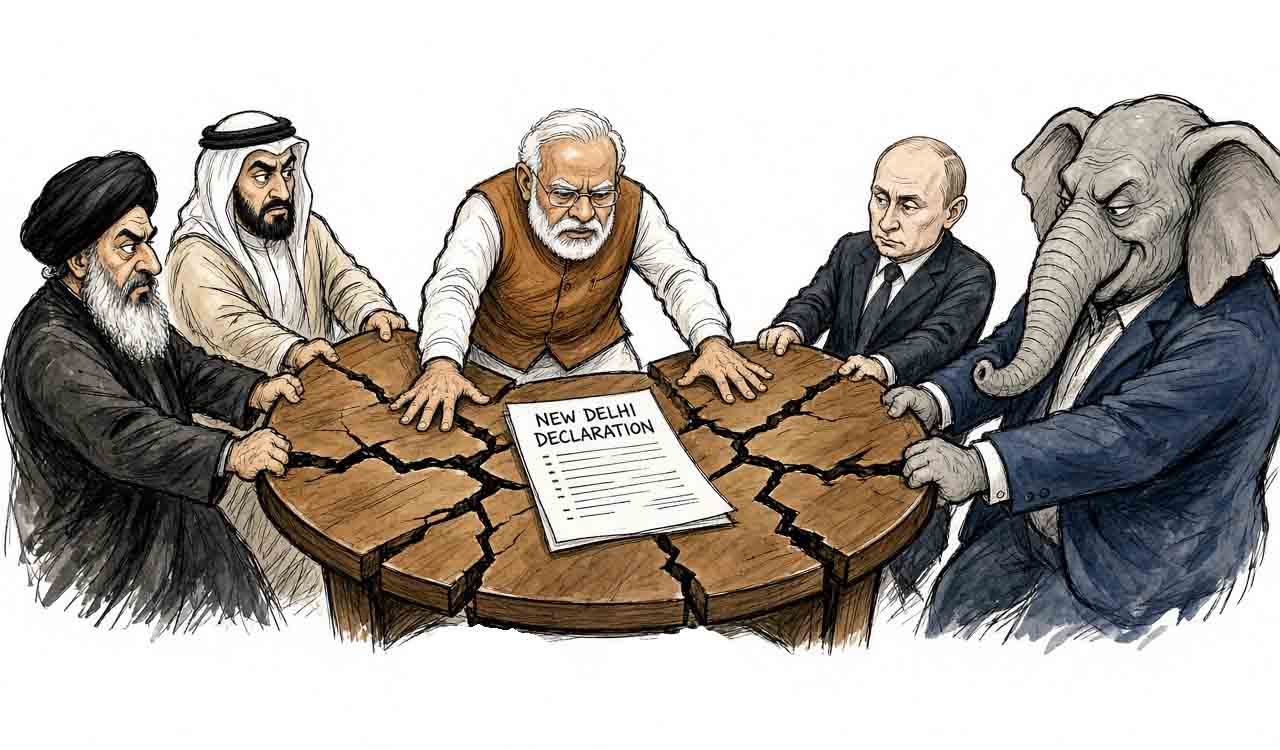


The unanimous New Delhi Declaration at the 18th BRICS Summit marks a diplomatic success for India, given the 11-member grouping’s divergent interests and fractured internal politics. Bringing together widely conflicting strategic interests and crafting a carefully worded, mutually agreeable document is a commendable task in itself. The context was complicated: Iran-UAE tensions over the West Asia conflict, the Russia-Ukraine war, and, more importantly, the United States—the elephant in the room—created formidable obstacles to consensus building. India’s diplomacy was the decisive factor in holding the text together. It used its strong ties with all members and worked behind the scenes to overcome the biggest hurdle—convincing the UAE and Iran, which sit on opposite sides of the West Asia conflict, to sign on. The outcome serves as evidence that BRICS can still function as a forum even amid real fractures among its members. However, one should not lose sight of the inherent limitations of the bloc. A key limitation is that, though BRICS can keep difficult conversations alive and affirm broad principles, it struggles to assign responsibility or organise collective action when interests occasionally collide. The document does not attempt to solve the world’s most intractable conflicts overnight, nor does it establish an immediate replacement for Western financial supremacy. It is still a long way to go for it to become a unified geopolitical bloc capable of collective action on the conflicts it discusses.
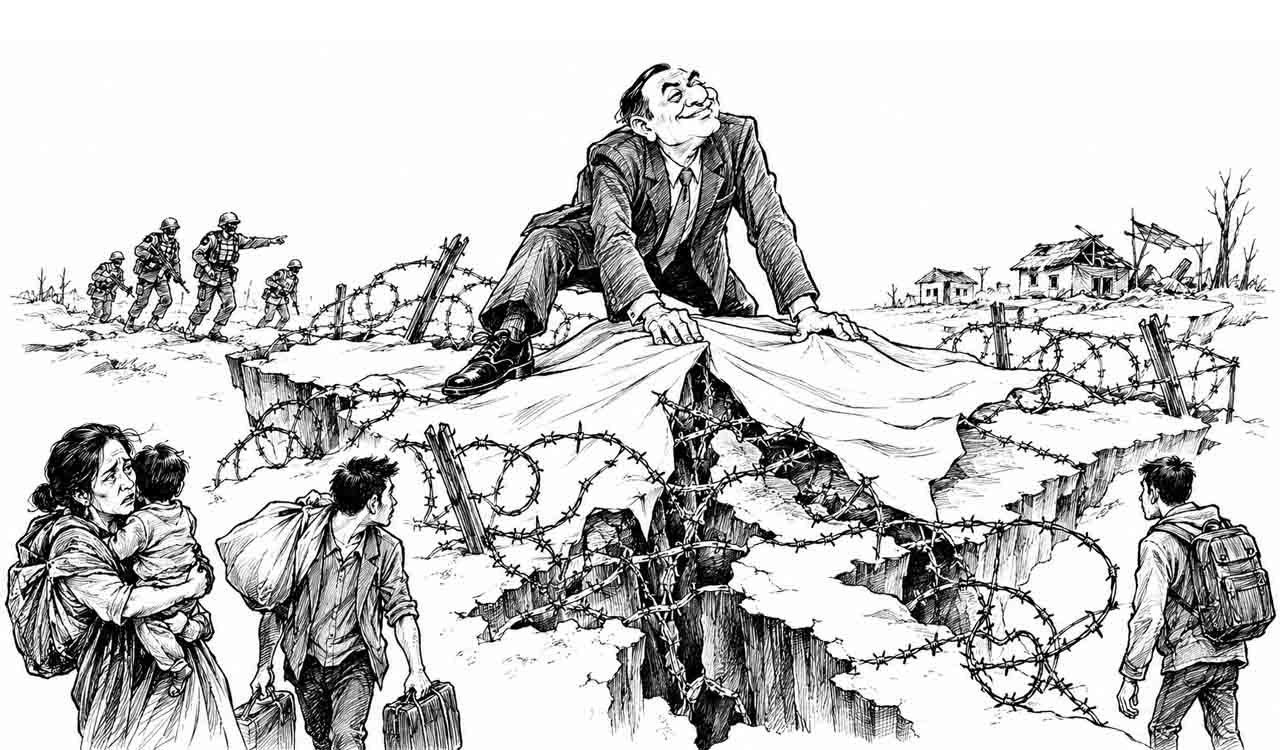
The Delhi summit proved that BRICS can survive its geopolitical contradictions, but survival cannot be taken as a strategic transformation. After demonstrating its capability to hold together a highly heterogeneous grouping at a moment when consensus appeared particularly difficult, a much harder test for India is to use that consensus to produce concrete economic and diplomatic outcomes. The achievement of the latest summit was not that it resolved the world’s conflicts; it was that it prevented the world’s conflicts from destroying the bloc’s ability to talk to one another. That is no small achievement in the present geopolitical environment. But the next stage will determine whether BRICS becomes more than a forum for carefully negotiated communiqués. The real test will be whether it can convert multipolarity into institutional reform, AI cooperation into actual technological partnerships and Global South solidarity into development finance. The declaration was unambiguously strong on the issue of terrorism. The 2025 Pahalgam attack, which killed 26 people, was condemned in the strongest terms, with leaders calling all terrorism “criminal and unjustifiable” regardless of motivation, and pledging zero tolerance. However, the document’s careful omissions were as revealing as its assertions. It avoided naming the US over the strikes on Iran and also did not condemn Iranian attacks on Gulf Arab states. Nor did it criticise Russia for waging a war against Ukraine. Instead, the declaration relied on broad principles — restraint, sovereignty, civilian protection, dialogue and diplomacy.

Related News