Editorial: Speed up cervical vaccination drive
India’s ambitious goal of eliminating cervical cancer by 2030 faces significant challenges due to the country’s high disease burden, low screening rates, and persistent sociocultural barriers
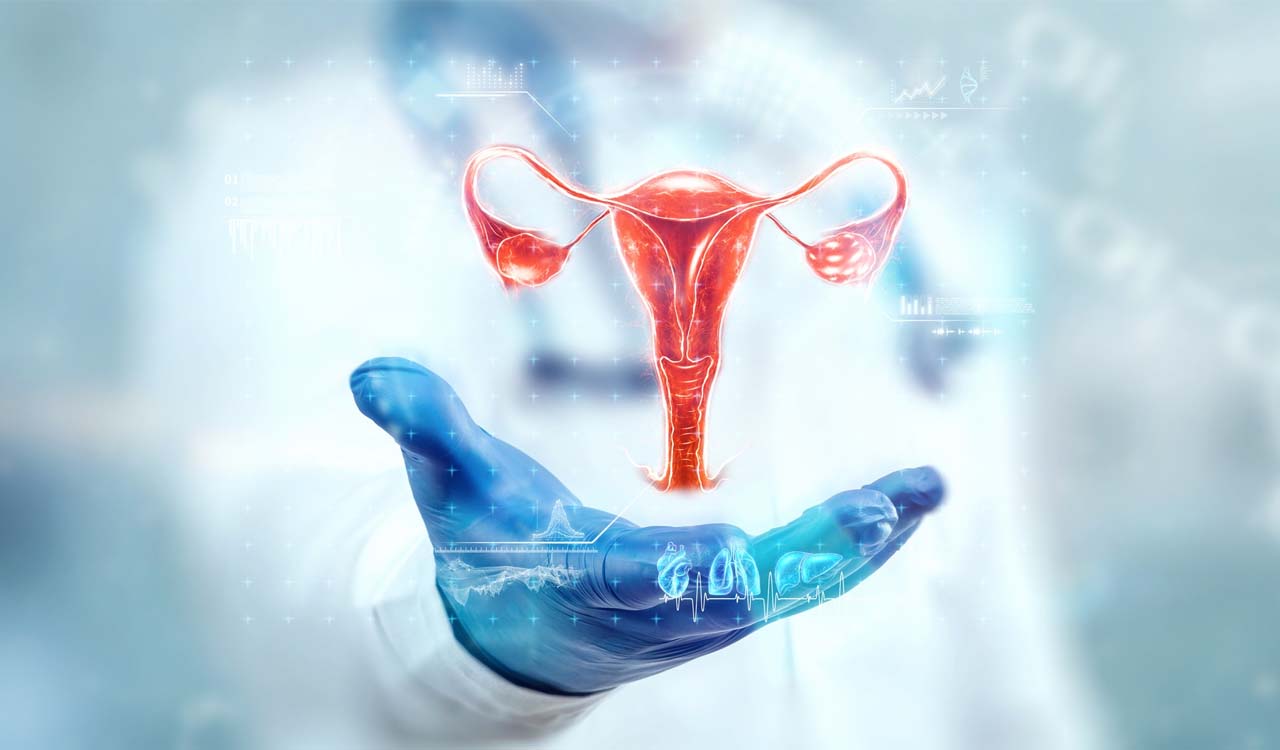


India accounts for one of the world’s highest cervical cancer burdens, with more than 1.2 lakh new cases and nearly 80,000 deaths being reported each year. It is paradoxical that cervical cancer, despite being a largely preventable disease, is the most common cause of cancer-related deaths among women in India. According to a modelling study published in the medical journal The Lancet, India can prevent more than 10 million cervical cancer cases over the next century if it achieves the World Health Organisation’s targets on HPV vaccination — 90% of girls to be vaccinated by age 15; 70% of women to be screened at ages 30 and above; and 90% of patients to receive treatment. Against this backdrop, the nationwide launch of the HPV (Human Papillomavirus) vaccination for adolescent girls is a laudable initiative in the war against cervical cancer. However, a closer look at the ongoing vaccination drive shows that participation has been uneven. Lack of public awareness, particularly in rural areas, shortage of trained healthcare professionals and social stigma associated with the HPV virus are among the reasons for low screening. Only around 2% of eligible women undergo regular testing. Even within the country, disparities are stark. For instance, in Tamil Nadu, the screening rates are above 10%, while Assam and West Bengal register figures as low as 0.2%. As a result, the outcomes vary widely. A majority of cases are diagnosed at advanced stages, making treatment less effective and increasing mortality.
For many women — especially those in rural districts, poorer households and socially marginalised communities — access to early screening, reliable diagnosis, treatment that is not prohibitively expensive and preventive vaccination remains a distant reality. As a result, India’s ambitious goal of eliminating cervical cancer by 2030 faces significant challenges due to the high burden of disease, low screening rates, and sociocultural barriers. Apart from the vaccination drive, there is a need for a comprehensive approach that is multisectoral, involving strengthening of primary healthcare infrastructure, training healthcare workers, and utilising innovative models like mobile clinics. Fragmented health policies with limited coverage for cervical cancer, coupled with societal issues like stigma and limited access to healthcare, particularly in rural areas, pose significant challenges. Additionally, India must step up investments in science and technology to support long-term research efforts. Leveraging artificial intelligence for screening could help bridge the gap in rural access. A dedicated national policy with clear objectives, strategies, and accountability mechanisms is crucial for successful cervical cancer control. Learning from the experiences of other countries will help fine-tune the policies. The ongoing vaccination drive places India among a handful of countries that include the HPV vaccine in their national immunisation programmes. Over 140 countries in the world have implemented vaccination against HPV infections, and the global data have confirmed its safety and effectiveness.
Also Read

Related News