Editorial: Swinging pendulum of US-Iran peace talks
With key disputes over sanctions, nuclear policy and regional control unresolved, the prospects for a lasting agreement remain fragile
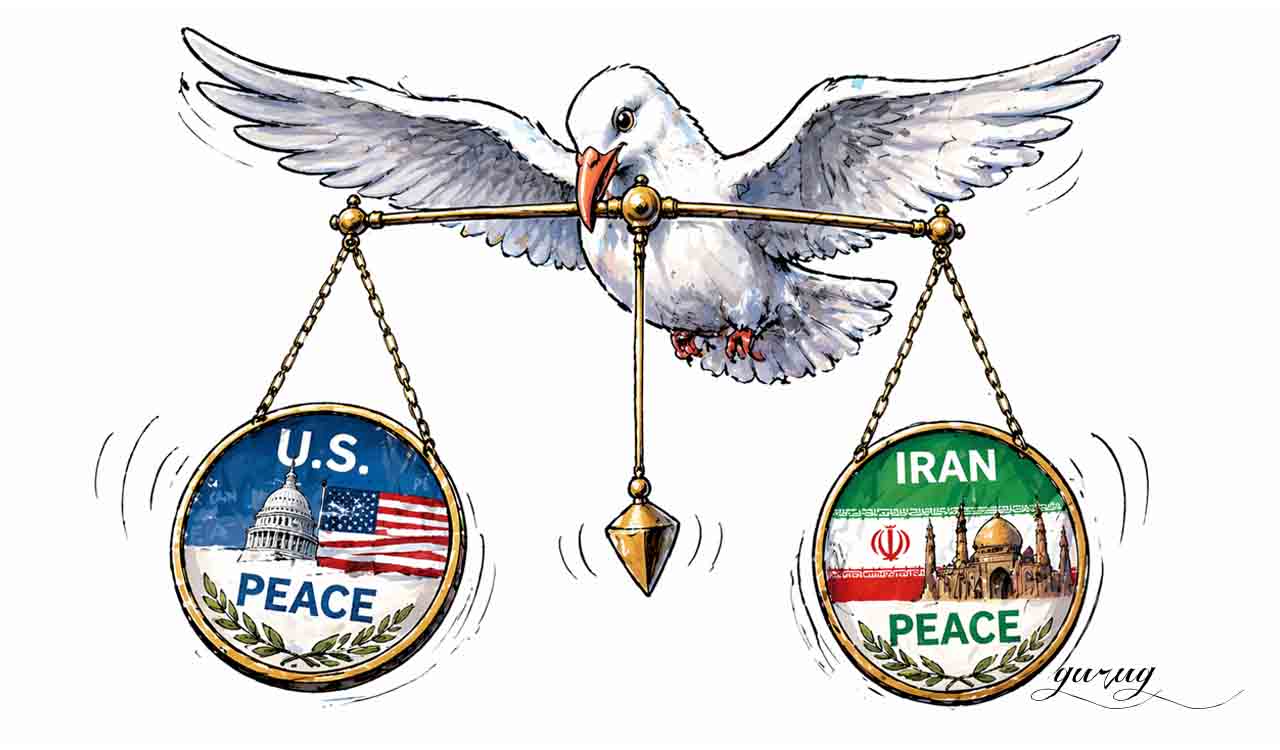


The pendulum in war-ravaged West Asia has been swinging wildly between hope and despair; between the prospect of a peace deal and the threat of a fresh offensive. A cloud of uncertainty now hangs over the diplomatic efforts to end the United States-Israel war on Iran. This is largely due to the maverick ways of American President Donald Trump, who has been shifting the goalposts and using his social media platform to issue threats, set fresh deadlines, and make bombastic claims of winning the war. The key impediment to the second round of Pakistan-brokered negotiations remains America’s blockade of Iranian ports, which Trump said would continue until Tehran agreed to a deal. Iran, on the other hand, asserted that it would not negotiate under the “shadow of threats” and would not send its team to Islamabad, even as reports said US Vice-President JD Vance and his team were proceeding with their travel plans. Trump, who warned that ‘lots of bombs will start going off’, has reverted to more inscrutable rhetoric in recent days, oscillating between escalation and references to negotiations. In fact, his public commentary on the war situation has been detrimental to talks, given the sensitivity of the negotiations and Iranians’ deep mistrust of the US. What has further complicated matters is the suspected divisions within Iran’s negotiating team, led by Parliament Speaker Mohammad Bagher Ghalibaf and Foreign Minister Abbas Araghchi, and the Islamic Revolutionary Guard Corps, raising questions about who can ultimately sign off on a deal.
The fragile nature of the ceasefire between Washington and Tehran was exposed on Sunday when a US guided-missile destroyer fired upon and seized an Iranian cargo ship after it tried to get past the US naval blockade in the Gulf of Oman, further angering Iran. Expectedly, Iran dubbed it an act of piracy and a violation of the ceasefire and vowed a response. Such acts of aggression could cast a shadow over peace negotiations. Trump has set several red lines for the negotiations, including that Iran freeze its uranium enrichment and surrender its stockpile of near-bomb-grade material. Tehran, meanwhile, insists on maintaining control over the Strait of Hormuz while also demanding that the US lift sanctions. The first round of talks in Islamabad was stalled over key differences, including Iran’s nuclear enrichment activities, its support for regional proxies and arrangements concerning the Strait of Hormuz. Iran had briefly reopened the strait following a ceasefire announcement related to Lebanon, but reimposed limits after Trump stated that the US blockade would remain in force until a deal was reached. The war that was meant to be swift, controlled, and manageable has turned into a prolonged military engagement, one that not only failed to achieve the initial objectives of the US but imposed heavy military, economic, and political costs.
Also Read

Related News