Editorial: Taming India’s coaching industry
Free online coaching can improve access, but lasting change requires strict regulation, stronger schools, credible examinations and wider higher-education opportunities
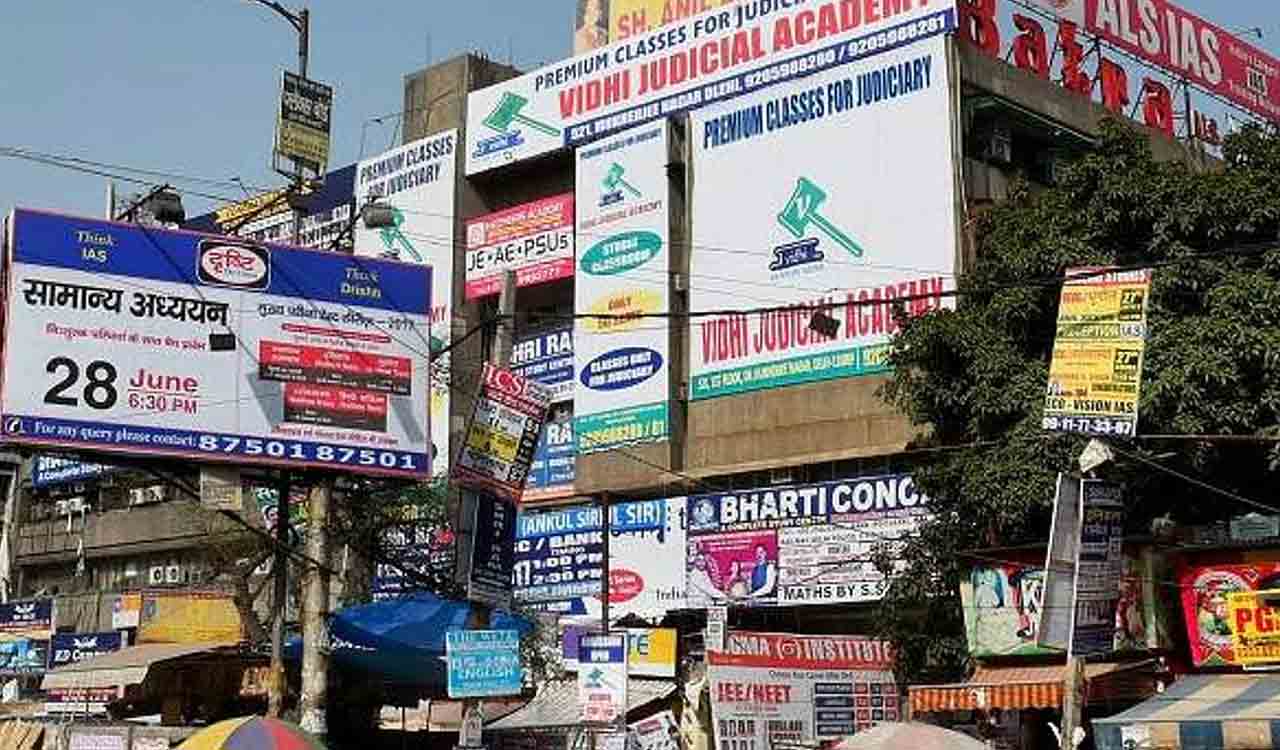


The mushrooming coaching factories in India, with an estimated market size of Rs 60,000 crore, have virtually turned into a parallel education system, feeding on the toxic environment of rat race, peer pressure and parental expectations. The growing number of student suicides—the result of unbearable pressure to excel in competitive examinations—has brought the spotlight on the unethical practices of the profit-driven coaching industry. Periodic attempts by several States to rein in the coaching industry have not made much impact. It came under intense scrutiny after this year’s NEET paper leak, which exposed the rot plaguing the entire examination system and triggered the Jantar Mantar protests. Against this backdrop, Maharashtra has sought public feedback on a draft law to regulate private coaching and tuition centres, while Haryana is framing rules to establish a structured regulatory framework for the registration and operation of such institutes. Assam has come up with the Private Coaching Institutes (Control and Student Mental Health Protection) Rules, which lay stress on counselling and suicide prevention measures. No doubt, regulation is necessary, but the durable solution lies in making the formal education and examination system so credible that parents no longer feel compelled to buy a second education for their children. In January 2024, the Ministry of Education released guidelines for the regulation of coaching centres in accordance with the National Education Policy (NEP-2020). However, teaching shops and dummy schools continue to thrive.
Unfortunately, private coaching has become the focal point of a student’s education while schooling at the secondary level has been reduced to a mere formality. The fundamental problem is that India’s formal education system and its selection system have increasingly diverged. Schools are expected to provide holistic education—conceptual understanding, creativity, critical thinking and social skills. But entrance examinations reward speed, accuracy, examination technique, extensive practice and familiarity with predictable question patterns. While acknowledging the financial burden imposed by private tuitions on poor and middle-class families, Prime Minister Narendra Modi, in his Independence Day address, announced free online coaching for aspirants preparing for various competitive exams. However, digital access cannot be a substitute for sustained efforts to improve public schools and colleges. The ambitious initiative can make a difference only if the well-entrenched coaching industry is regulated through strict enforcement of laws and rules. There is a need to restore the primacy of schools and universities, reduce the stakes of individual examinations, widen opportunities, and ensure that coaching remains a choice rather than a compulsion. India has been trying to regulate the symptom rather than cure the disease. The coaching industry thrives because of a combination of three factors: scarce opportunities, high-stakes examinations and parental anxiety. Reforming the education sector should, therefore, focus on improving the teaching standards of schools, better-designed examinations, widening higher education opportunities, transparent admissions, regulated coaching and strong mental health support systems.
Also Read

Related News