Editorial: Voice of the youth gets heard
The exit of Union Education Minister Dharmendra Pradhan, whose resignation was the key demand of the protesters led by the Cockroach Janata Party, should now pave the way for sincere effort to tackle the larger issue of education reforms
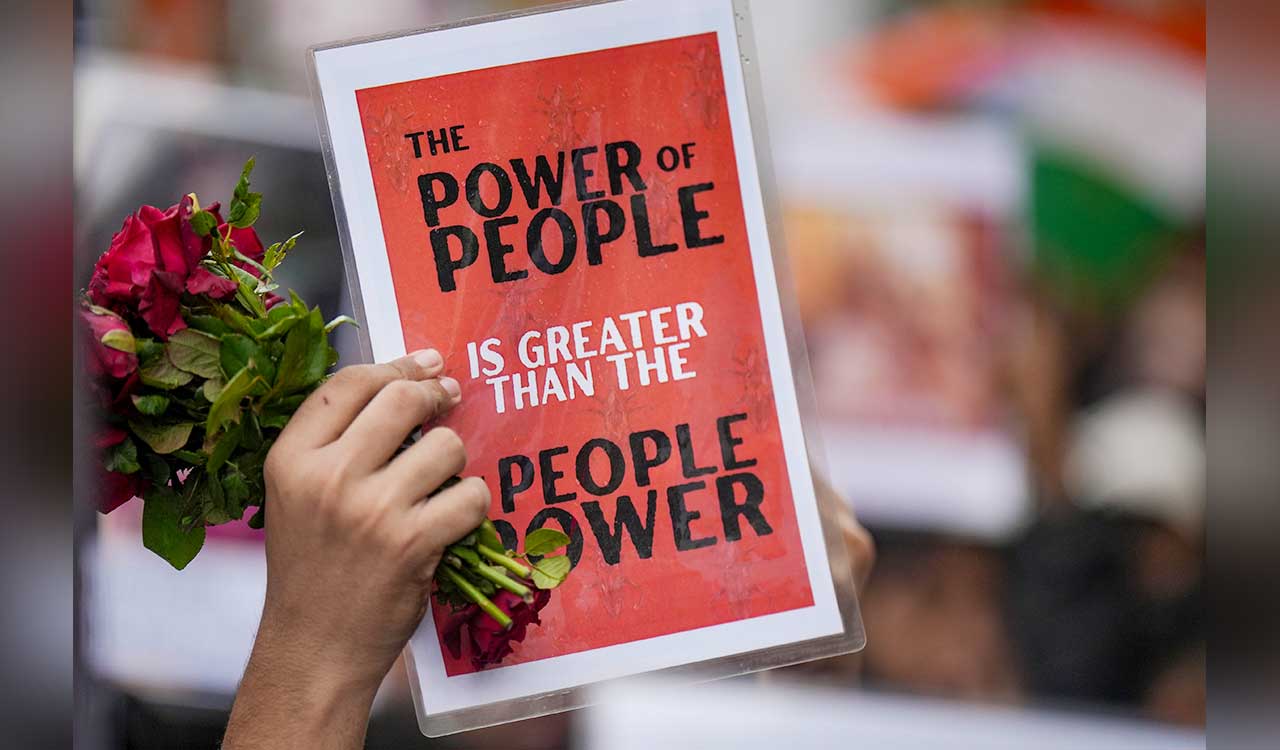


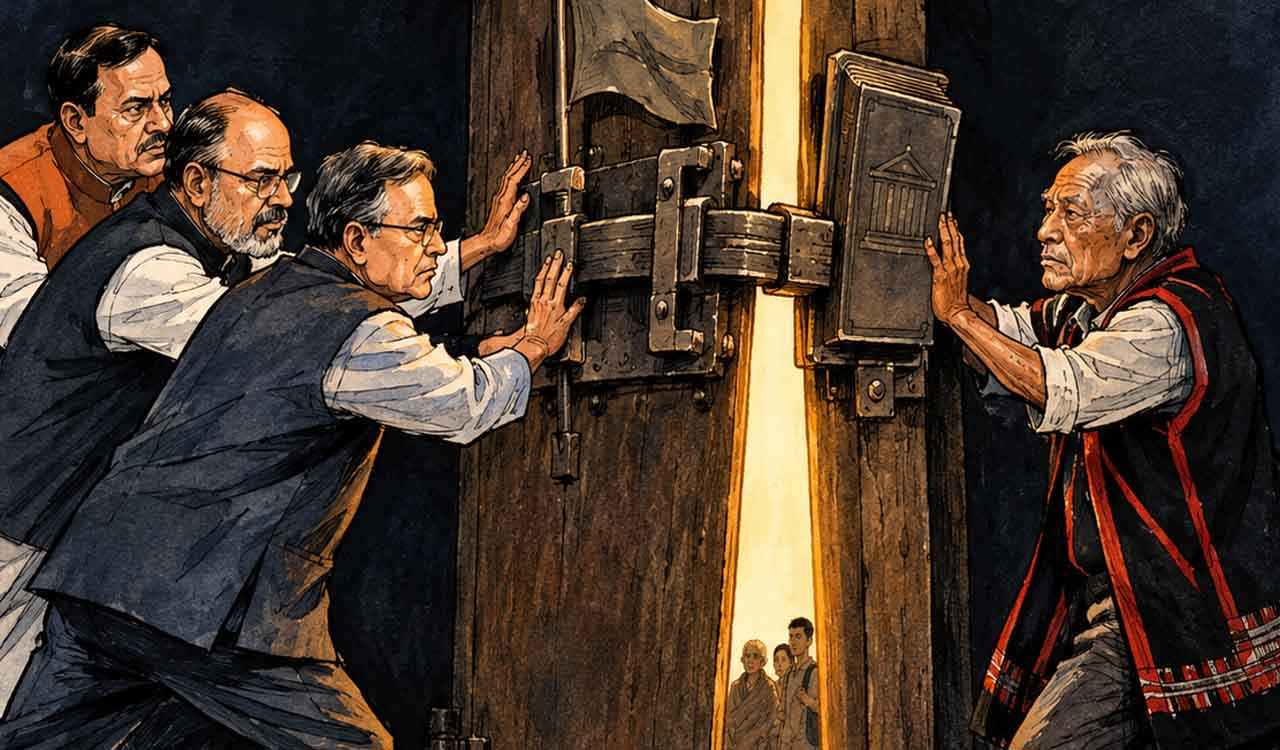
The resignation of Union Education Minister Dharmendra Pradhan, bowing to mounting pressure from the student protests, is a welcome development as it signals the government’s acknowledgement of the growing anger of the country’s youth over an issue that is key to their future. It is a victory for the democratic voices that rose in unison against a system that has become indifferent to the concerns of the student community. What began as a satirical social media account grew within weeks into a genuine mass movement, giving vent to the youth’s frustration over the botched 2026 NEET medical entrance examination following paper leak. The exit of the Minister, whose resignation was the key demand of the protesters led by the Cockroach Janata Party, and subsequent withdrawal of the five-week-long agitation should now pave the way for sincere effort to tackle the larger issue of education reforms. No lessons have been learned from the past instances of paper leaks. Also, no follow-up action has been taken on the recommendations of the high-powered committee constituted in 2024 under former ISRO chairperson K Radhakrishnan to secure the fairness of the public exam system. While Pradhan’s resignation opens a window for wider talks, the real battle lies ahead. The larger issue here is about the institutional flaws and how to fix them. It is not about individual ministers but about reforming the examination system that failed the students. Apart from bringing examination reforms, there is a need for broader structural transformations in the education and skilling system.
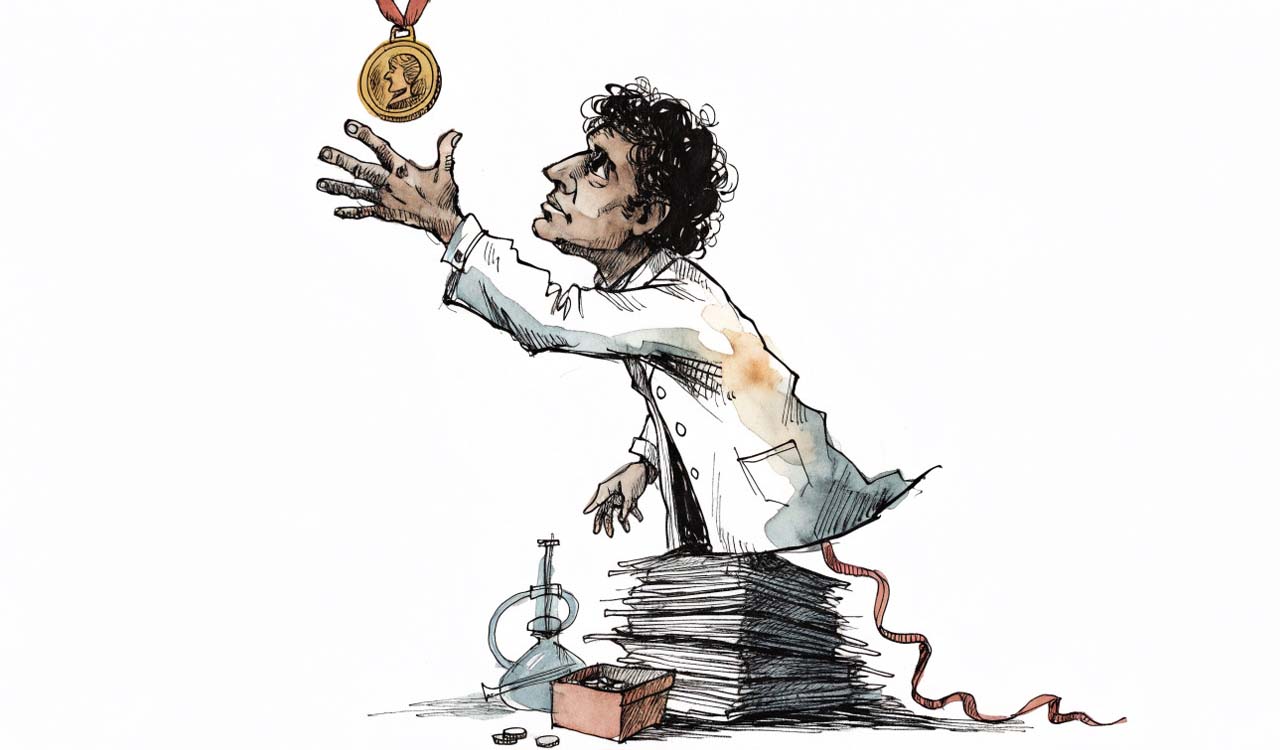
The widespread spontaneous protests have exposed one of the deepest fault lines in the country’s education system—the erosion of trust in public examinations. From the cancellation of the NEET-UG examination controversy to repeated paper leaks in recruitment tests conducted by State governments, millions of students have found themselves trapped in a cycle of uncertainty. In a belated response, the Centre came up with a draft legislation, amending the Public Examinations (Prevention of Unfair Means) Act, 2024, envisaging fairly stringent provisions—a jail term up to 10 years, a penalty up to Rs 10 crore, and statutory backing for fast-track courts. Speedy justice is welcome, but deeper systemic reforms are a must to restore public confidence. India requires a comprehensive overhaul that combines technology, institutional reforms, transparency, accountability and educational transformation. Strengthening the NTA, improving digital security and creating an independent auditing mechanism are essential. Stronger laws and fast-track courts may serve to punish or deter offenders, but only long-term reforms can eradicate the deep-rooted malaise. Gangs that exploit examinees for financial gain must be dealt with under a zero-tolerance policy. Coordinated investigations involving Central and State agencies and a robust legal framework can help dismantle these networks. The real objective should not simply be to prevent the next paper leak, but to build an examination system in which integrity is institutionalised.
Also Read

Related News