Editorial: NEET-UG 2026 — overhaul entrance examination system
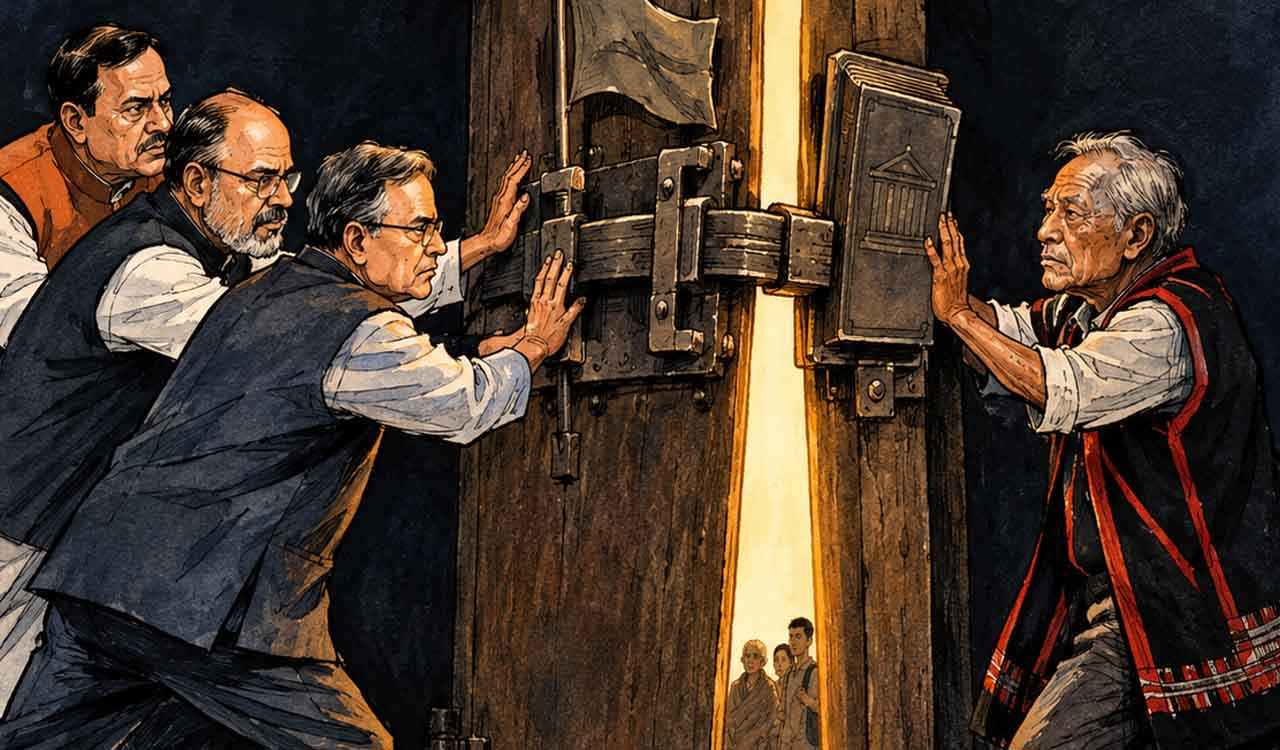
For a country marked by diverse educational systems and stark regional disparities, a one-size-fits-all approach like NEET may be neither effective nor equitable



The 2026 NEET crisis should serve as a moment of reckoning — not just political but structural —, one that treats India’s examination system not as a bureaucratic convenience but as a foundational institution of a just society. The student community, which has endured immense trauma, suspense and a broken system, deserves nothing less. For a country that prides in calling itself a ‘Vishwaguru’, India cannot afford to patronise a system where competitive examinations can be bought, where question papers become a commodity, and where the agency responsible for conducting the test becomes the subject of criminal investigation. The consequences of such a system are not abstract but reflected in the real world — they are felt in hospitals understaffed by doctors who did not earn their seats honestly, in aspirants who gave their best years to a test that was rigged, and in families who went bankrupt chasing a dream that was never equally accessible. The cancellation of NEET-UG 2026, the gateway to admission to medical colleges, following the suspected leakage of question papers, has shocked the student community and raised questions about the credibility of the testing agencies. The Supreme Court articulated public frustration when it said the National Testing Agency (NTA) has not learned lessons from past mistakes. This was not a rebuke born of surprise but a reflection of a sense of weariness over the repeated failings of a system meant to be fair, objective and equitable.
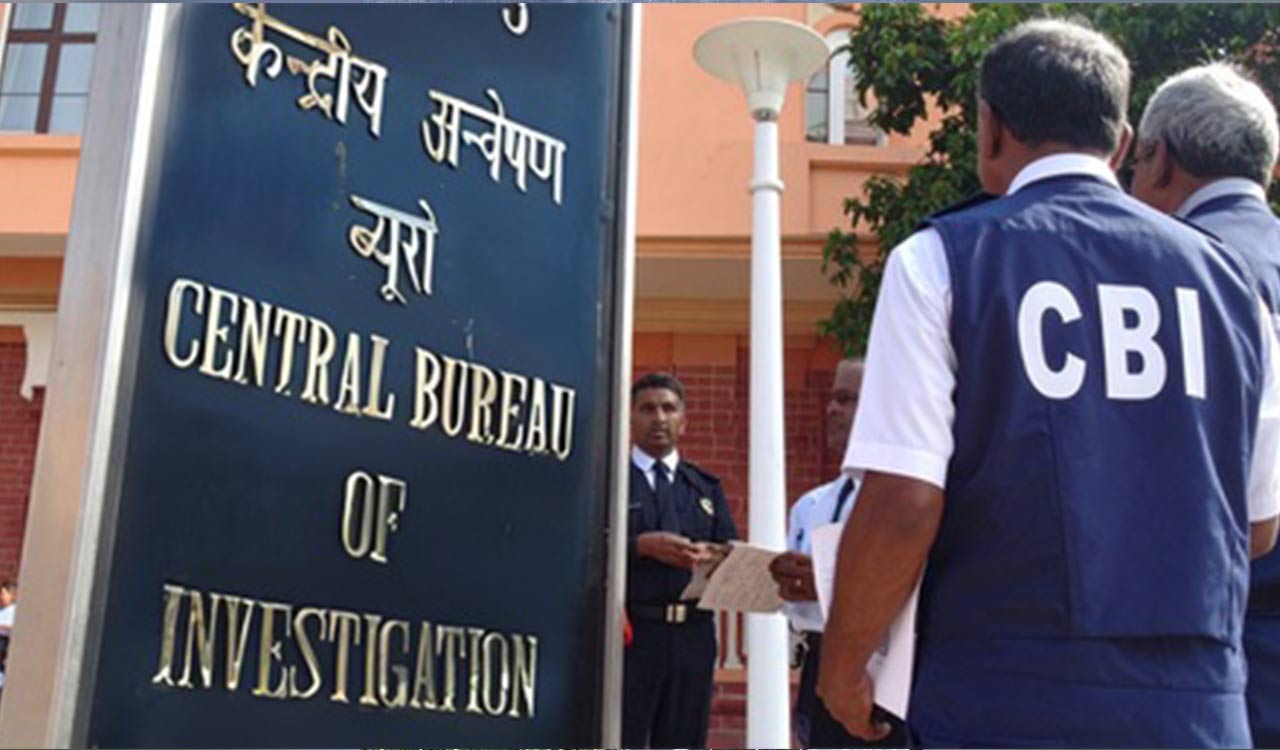
The hard work of 23 lakh students came to nothing after it was learnt that the question paper for the NEET-UG 2026 was leaked. The exam was cancelled, and a CBI probe was ordered. And, a re-test is scheduled for June 21. As repeated lapses of the administration are playing with the lives of students, there are concerns over the integrity of medical education as a whole and its impact on the quality of healthcare delivery. The sector needs a complete overhaul, not just minor tinkering. The idea of decentralising the admission process needs careful consideration. For a country with diverse educational systems and regional disparities, a “one-size-fits-all” approach like NEET may neither be effective nor desirable. Because such a standardised assessment test does not account for diverse learning environments and student backgrounds. In addition, a centralised system is more vulnerable to scams, manipulation and paper leaks, as seen in 2024 and this year. It would be better to allow the States to decide their own process for admission based on local factors, while ensuring accountability and transparency of the process they choose. An expert committee, headed by former ISRO chairman K Radhakrishnan, made several recommendations to make the exam system foolproof, including the transition of NEET to a fully Computer-Based Test (CBT) format. Unfortunately, this recommendation was not accepted by the Centre. In hindsight, this looks like a critical error.
Also Read

Related News