Editorial: War with no end in sight
The Iran war shows that power doesn’t guarantee victory—endurance does
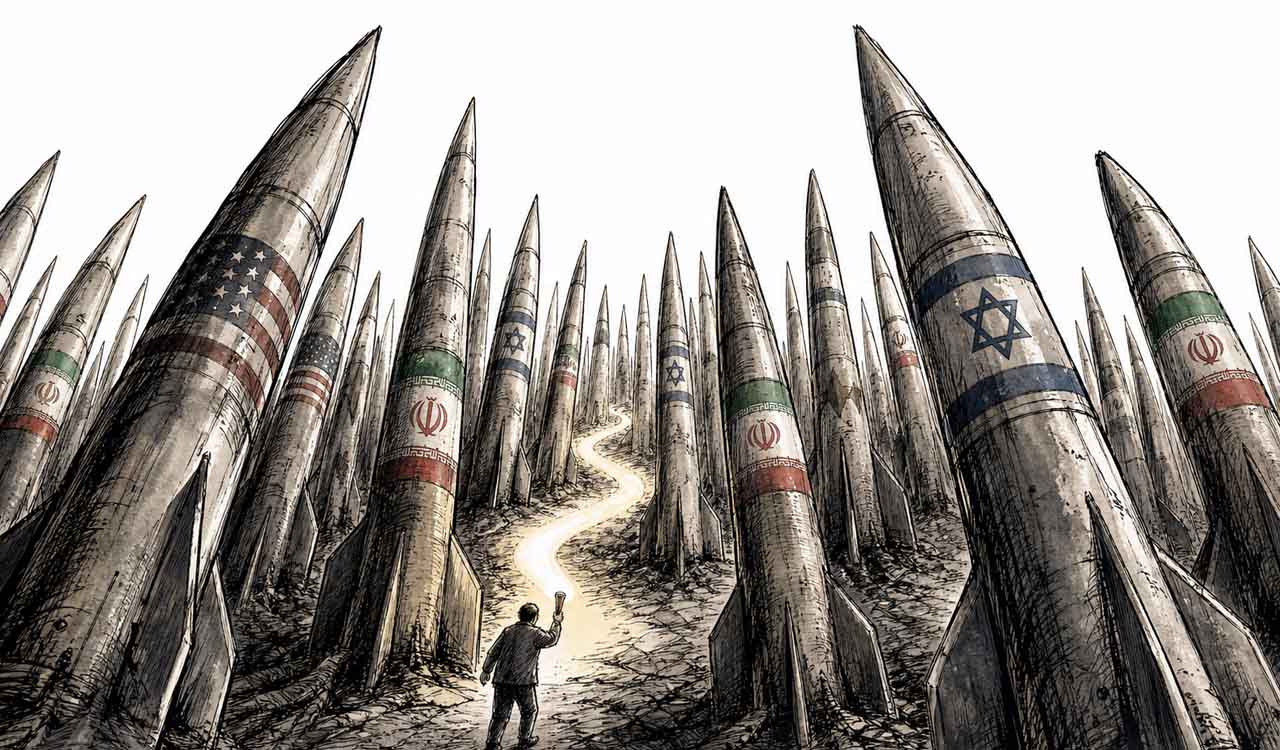


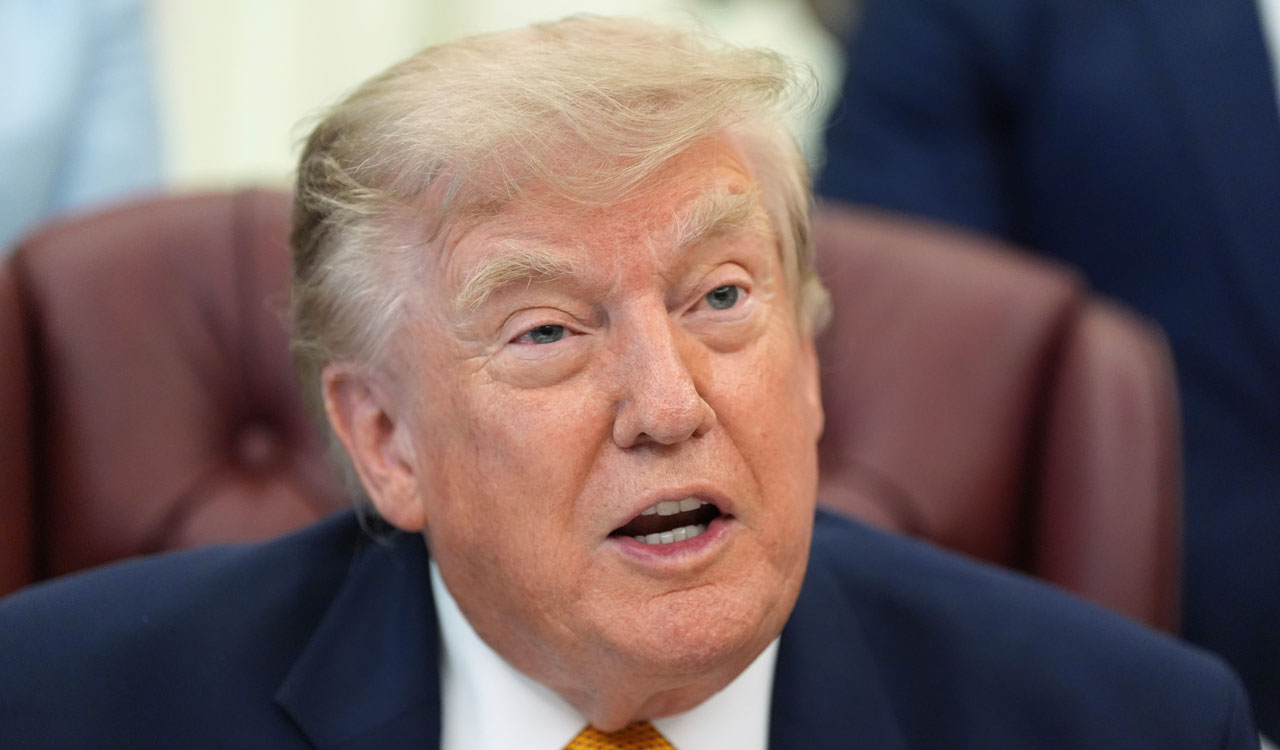
United States President Donald Trump appears clueless about how to end the Iran war he started, along with Israel, over two months ago. History is replete with instances of global powers starting wars that would soon spin out of their control, leaving them stranded in the midst of rubble and immense human suffering. And, lessons are never learned. As the rest of the world waits with bated breath for the pointless war to end, the situation on the ground is still in a state of flux. While the fragile ceasefire holds for now, the Strait of Hormuz — the lifeline of global oil supplies — remains closed. Backchannel talks, mediated through third parties like Pakistan, are no longer producing even incremental progress. By refusing to engage in prolonged, mediated discussions, the US is effectively forcing Iran into a narrower choice — either initiate direct contact on American terms or absorb the mounting pressure of isolation and military encirclement. The war began on February 28, when US and Israeli forces launched what the Pentagon code-named Operation Epic Fury, a blitzkrieg targeting Iranian military installations, nuclear infrastructure, and killing Supreme Leader Ayatollah Ali Khamenei in the initial stage of the campaign. What the Trump administration presented as a decisive blow against the world’s foremost state sponsor of terror has evolved, two months on, into something more familiar from American military history: a grinding, costly stalemate in which the opening victories are not translated into strategic resolution.
The ongoing conflict has already cost the American taxpayer over $25 billion and is still counting, with no exit in sight. Iran’s proposal to reopen the Strait of Hormuz — in exchange for lifting the American naval blockade but without nuclear concessions— was promptly rejected by the Trump administration. Pakistan-mediated talks in Islamabad collapsed after Trump abruptly cancelled the planned trip of his envoys. This episode is a reminder of the limits of middle-power diplomacy when major actors lose interest in the process itself. Facilitation is only as effective as the willingness of principals to engage. Also, the internal political dynamics in Tehran — often opaque — have further complicated the situation. There is a significant tension within the Iranian government itself, one that Western diplomats have watched with careful attention. President Masoud Pezeshkian, the reformist elected last year on promises of re-engagement with the world, has struck a markedly different note from the new supreme leader. Tehran is asking for reparations. It is asking for formal international guarantees against future military action. It is offering to reopen Hormuz in exchange for an end to the blockade, but it is emphatically not offering to surrender its nuclear ambitions — the one thing Washington insists upon. This war has demonstrated a key paradox of modern power: overwhelming military and economic force does not guarantee strategic success. Endurance, not firepower, may prove to be the decisive variable.
Also Read

Related News